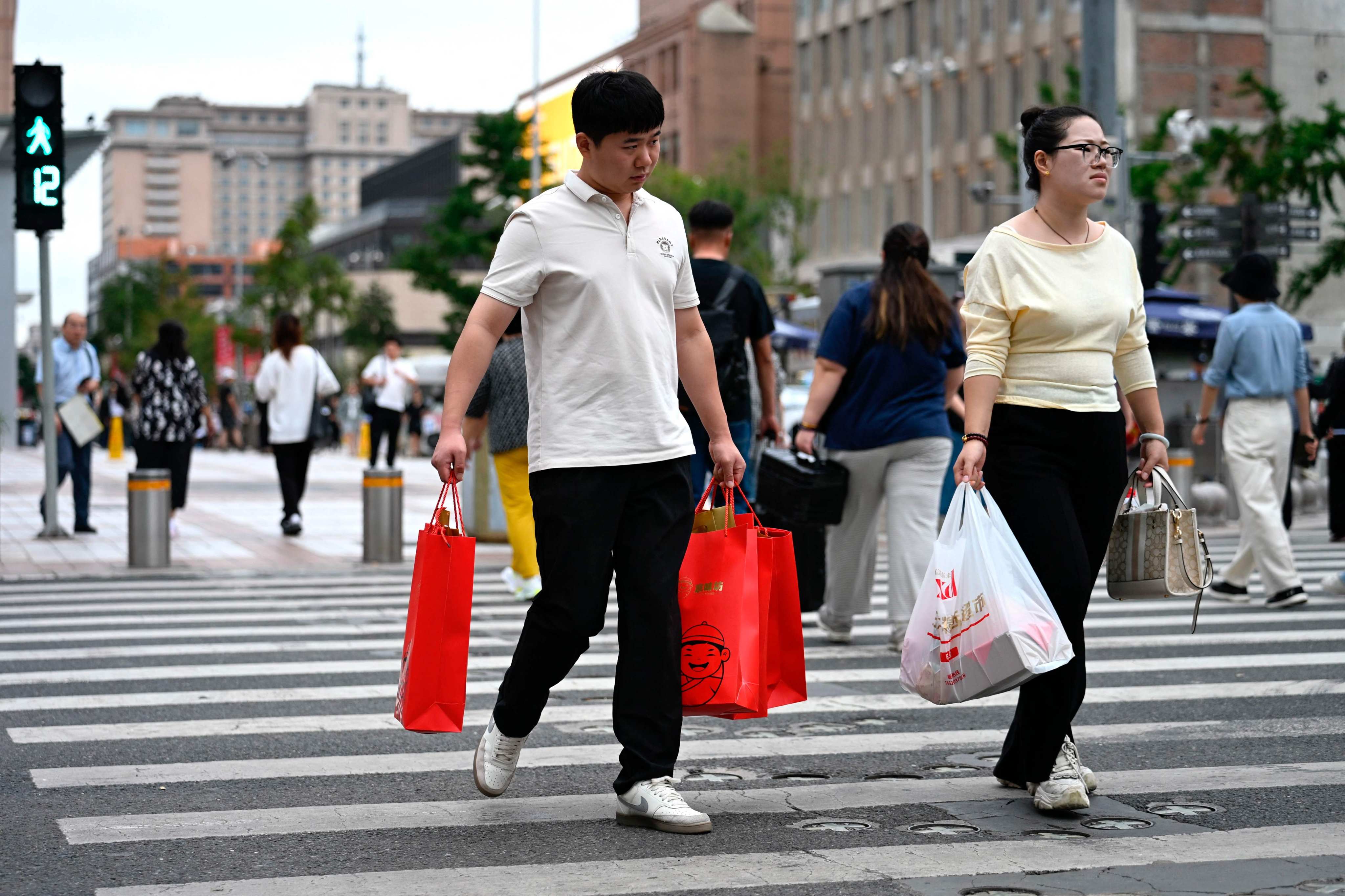
In two bills in the Chinese economy, the figures are moving in different directions. One is macro-growth expectations: a Reuters survey of 15 October showed that economists projected China ' s GDP growth of 4.4 per cent in the third quarter of 2026, slightly higher than the 4.3 per cent in the second quarter. The other is the living books that residents are willing to spend: the low level of real estate, prudent consumption and weak private investment still constrains economic recovery.
正在读取来源 · reuters.comreuters.com正在读取新闻标题与预览大图…Interest-rate reductions, mortgage subsidies and infrastructure spending can boost current demand. Beijing also arranged for the amount of HK$55 billion in local debt that had not previously been used to be invested in infrastructure projects. These policies enable projects to start and order, but from investment in projects to stable income for ordinary households, longer transmission routes are required.
Why there is growth, but no consumption is as strong
Families decide what they want to buy, first to see if income is stable, then to see housing assets and future expenditures. The weak housing prices have made some of the population more cautious; When employment and income expectations are volatile, even if financing costs fall, they do not necessarily increase alternative consumption. Consumer willingness cannot be re-launched by an administrative approval, as in capital projects.
Export and factory production can sustain aggregate growth, yet external demand is not the same as the improvement of the population ' s lives. For local governments, investment projects can be intuitively factored into current performance; For households, increased savings and reduced purchases may be a rational response to future uncertainty. The two logics of decision-making, which parallel the same economic system, also create a gap between policy objectives and the perception of life.
4.4 per cent is still a survey forecast and not a published final statistical result. It is a reminder that meeting growth targets is not the same as building endogenous consumption capacity. The next step in China’s economy is to determine whether the families are confident that they will be able to spend the next year, in addition to the progress of the plant and the construction.
Article discussion
Verified members can discuss this report publicly and manage their own content.
Checking member sign-in status…