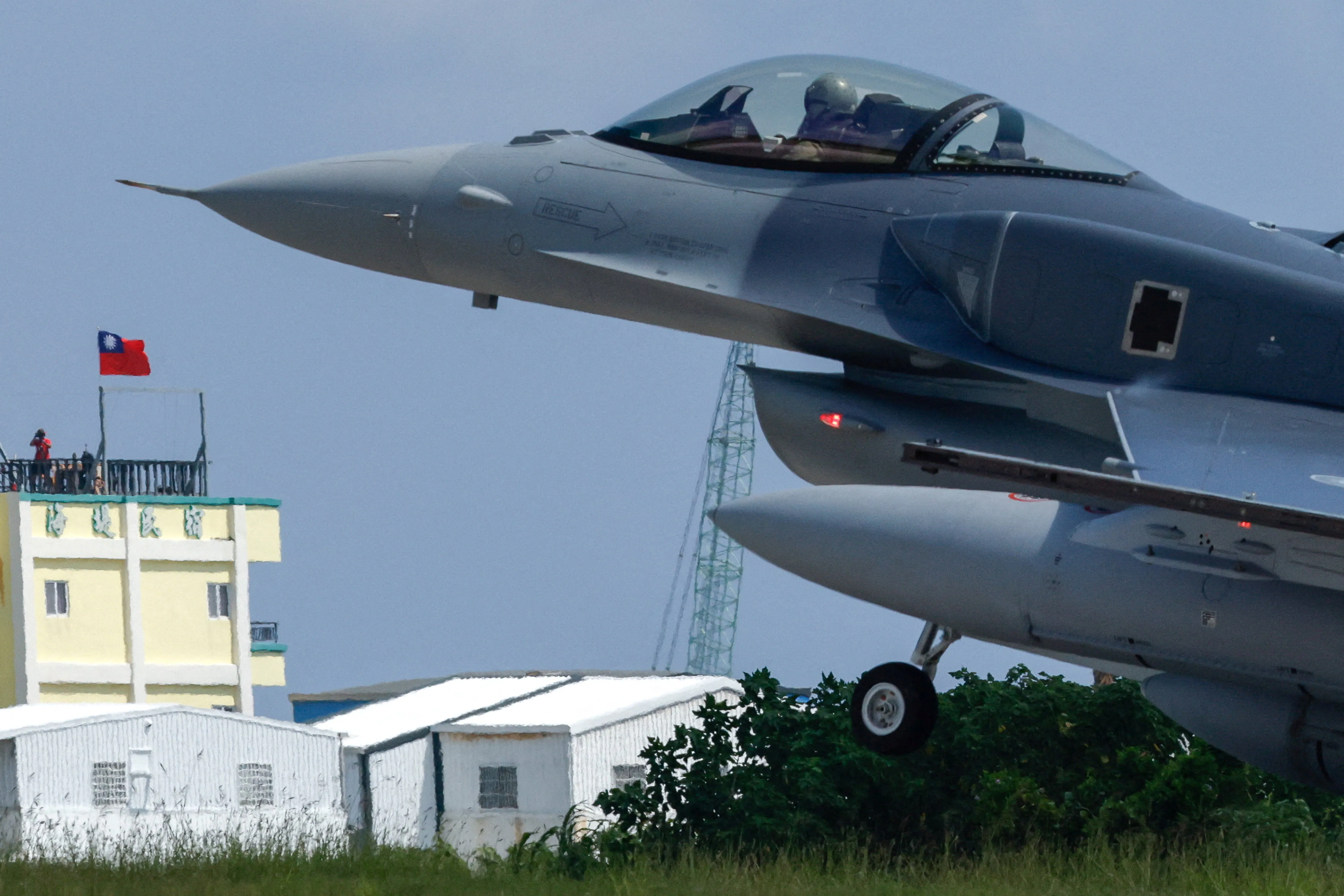
On 2 October, at noon, Taiwan purchased The first two newly built F-16V Block 70 aircraft arrived at East Japan base. The Taiwan Air Force confirmed that two single-seat aircraft would be equipped, replaced and subsequently equipped as planned. This was the first time that a number of 66 new F-16V procurement cases had been attended by a number of entity warplanes, and it also meant that the “Fing Shang Project” that had been delayed for several years had finally entered the actual deployment phase.
<a href="https://mna.mnd.gov.tw/news/detail/?UserKey=1c6bd053-3451-40cb-9807-0a4e47512fd0"target" rel= "nopener noreferrer" data-linked-reference= "tru" data-reference-label= "Taiwan Defense Military Information Society" The two aircraft, which had previously flown from the United States mainland to Hawaii and passed through Guam, arrived on Taiwan on 2 February. The Air Force indicated that 63 F-16 Block 70 were still on the United States production line, some of which were in the handover phase.
原始来源 · mna.mnd.gov.tw台湾军闻社:首批F-16 BLK 70战机抵台台湾国防部军闻社10月2日发布首批两架F-16 BLK 70抵台现场图文。mna.mnd.gov.tw ↗The 66 aircraft originated from United States-approved military sales to Taiwan in 2019, amounting to approximately $8 billion. The planned delivery was to be completed in batches between 2023 and 2026, but the migration of production lines, disruption of the supply chain and software integration delayed progress. On 2 February, Taiwan ' s Minister of Defence, KU Li Hung, indicated that the aircraft in question was still being produced and tested and that subsequent return would continue to be coordinated with the United States.
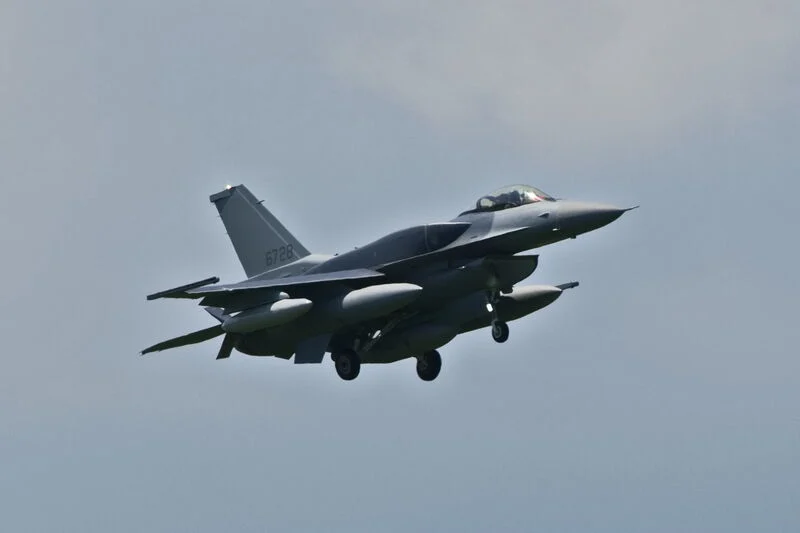
New Block 70 shares AN/APG-83 Active Electronic Scan Array Radar with Taiwan ' s current upgraded F-16V, with new air power systems, and greater fuel and weapons carrying capabilities. <a href="https://focustaiwan.tw/politics/202610020008"target" rel = "nopener noreferrer" data-linked-reference = "true" data-reference-label = "Central Agency" </a", reported by Taiwan Central Service, which will be deployed to Taidong Shiba in the future and replaced by the Seventh Tactical Combat Unit. With the completion of Taiwan ' s upgrade of 139 F-16A/B, 66 new aircraft will be in place, leaving Taiwan with over 200 F-16-series warplanes.
The military significance of the arrival of the new aircraft is first and foremost reflected in Taiwan ' s air defence in the eastern part of the country. Taidong and the flower lotion are located east of the central mountains and have long been regarded as important areas of preservation and counterattack for Taiwan ' s warplanes in high-intensity conflict. F-16V has more advanced radar, data chains and remote air capabilities, and can also carry AIM-120, AIM-9X, anti-radiation and anti-ship weapons, which will gradually shift the Eastern Base from its former training and back-up functions to a more complete operational deployment.
The day the fighters arrived,https://www.mnd.gov.tw/news/plaact/87892"target" rel = "nopener noreferrer" data-linked-reference = "tru" data-reference-label = "Taiwan Defense Ministry developments in Taiwan" > The Taiwan Defense Department also announced the last 24-hour AL-Among the Taiwan Straits : by 6 a.m. on 2 October, the Taiwan side had captured six joint aircraft, seven co-ships and eight Chinese service vessels, four of which were military. It crossed the median line of the Strait into the south-west and east of Taiwan. According to the Taiwan Ministry of Defence, the military maintains surveillance and counter-location of its aircraft, vessels and ashore missile system.
Beijing has long opposed United States sales to the Tatmadaw Kyi and insists that Taiwan is a part of China. The Chinese Government has repeatedly stated that external military support could destabilize the Taiwan Strait; For its part, the Government of Taiwan believes that, in the context of the continued increase in military aircraft, warships and joint training activities by the Liberation Army around the Taiwan Strait, strengthening self-defence capabilities is an important means of reducing the risk of miscalculation and military adventure. There is a fundamental disagreement between the parties over the causal link between military sales and regional security.
It is noteworthy that this arrival does not mean that 66 warplanes have been delivered. Taiwan Air Force still needs to conduct a load inspection, change of personnel, ground maintenance and integration of weapons systems to enable the new aircraft to become fully operational. Military Academia stated that since the formation of the seventh tactical fighter group at the end of 2023, flight and technical personnel have been sent to the United States in stages for training, and will be subsequently re-loaded with aircraft.
The project delay will also continue to be a focus of the review of the performance of the United States military sales on the Taiwan side. According to CS, the problems of restarting production lines and supply chains are the main factors behind the delay. Some of the Taiwan legislators had previously requested the United States side to compensate for delays by increasing spare parts, extending security, etc. The arrival of the first two fighters eased the long-standing political pressure of “orders alone, aircraft missing”, but there was still a significant time lag in the full range of aircraft.
The two aircraft themselves will not change the overall posture for the balance of naval power in the Taiwan Straits, but their symbolic significance and subsequent size are more important. Taiwan is moving forward with the upgrade of its existing F-16 fleet, the purchase of a new Block 70, the reinforcement of its eastern base and the addition of more sophisticated and far-range weapons to the same air defence system; Meanwhile, the SPLA has continued to expand its air and sea activities on the ring. Both sides will continue to change their military capabilities in the coming years.
Thus, the real record of 2 October is not just the landing of two warplanes, but the final entry of Taiwan's new generation of F-16 deployments from the procurement, production and testing stages into the home country. The next step is to see whether the follow-on aircraft will be able to stabilize their arrival according to the new timetable, whether the electronic warfare system will be integrated on schedule and how these platforms will be integrated into Taiwan's actual operational readiness to face normal pressure from the PLA.
Article discussion
Verified members can discuss this report publicly and manage their own content.
Checking member sign-in status…