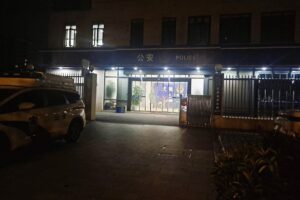
On 11 September, at about 3 p.m., the police interrupted the school at a teahouse in the Chengdu Wu district. The participants were from the Mercy Corps of the Church of the Holy Covenant in the autumn rain, which had a total of 11 participants, most of them over 60 years of age, many of whom were older than seven years old. > Chinaaid according to information provided by members of the church, all 11 persons were taken away from the police station in the red-platform; The scene was not a large week, and there was no public conflict, but a small reading gathering.
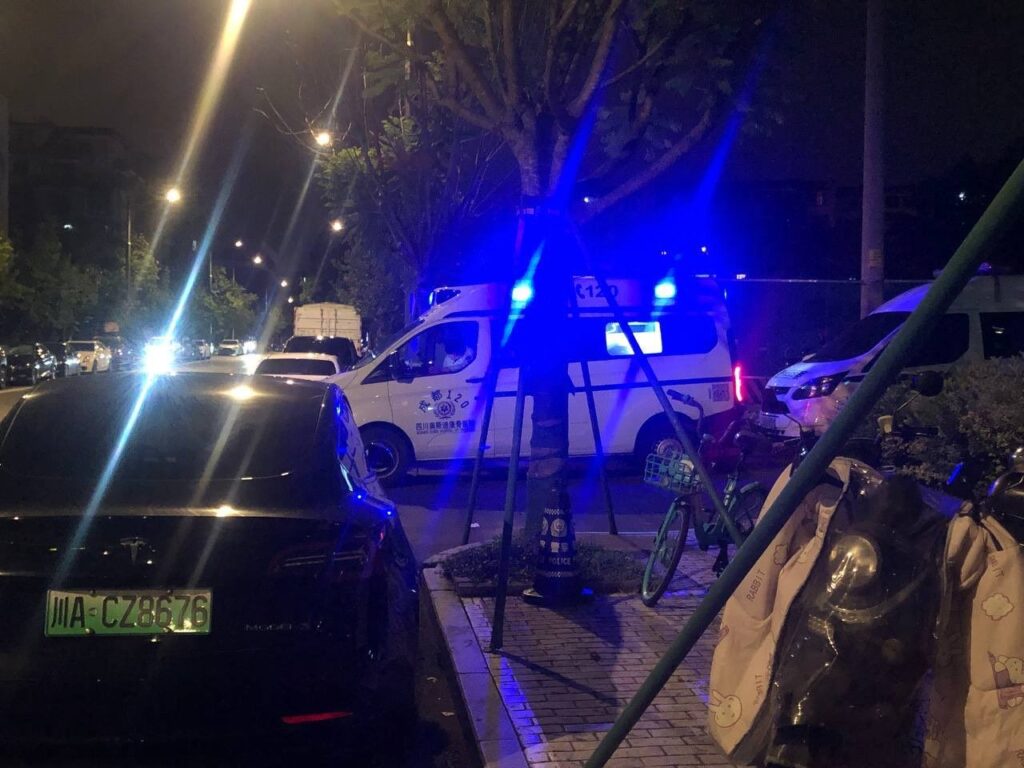
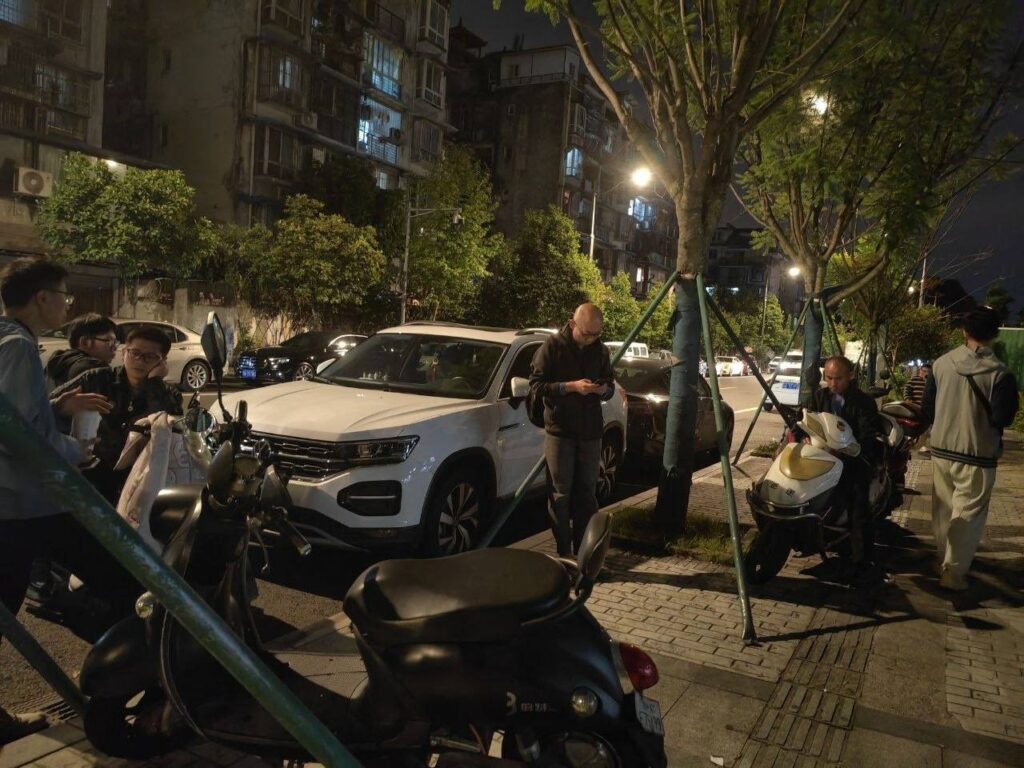
Waiting from afternoon to late night. Members of the church and their families were held outside the police station in the red building, and after the temperature had fallen, requests were made to bring in two warm clothes for the elderly detainees. At about midnight, an ambulance arrived at the police station. The waiters were unable to identify who needed first aid, but they were particularly concerned about 73-year-old Ho Futao, who had been excised from one side of his lungs as a result of cancer surgery, and had also had fainting and urgent medical experience in the recent past.
The following morning, nine people were released. The detainees are the Church Elder Wu Ching and the believers Shen Xiaoqing. The subsequent treatment received by the family indicated that the two men were sentenced to 10 days' administrative detention and fined $500 and $300, respectively, on the grounds of “unlawful organization of missionary activities”. , a follow-up report dated 23 September confirmed that both were released after expiry, but the police continued to summon and question other members of the congregation.
This timeline clearly describes the nature of the operation: a study event involving older persons was directly transformed from a teahouse to an administrative case by the grass-roots public security. It does not require criminal prosecution or court proceedings; Individuals can be held in detention for several days, provided that the public security makes an administrative decision at the level of security. For a long-term, controlled, family church, this punishment, which is “short, fast and low procedural costs”, is more suitable for daily consumption than a sensational arrest.
has been under constant pressure since the mass arrests in December
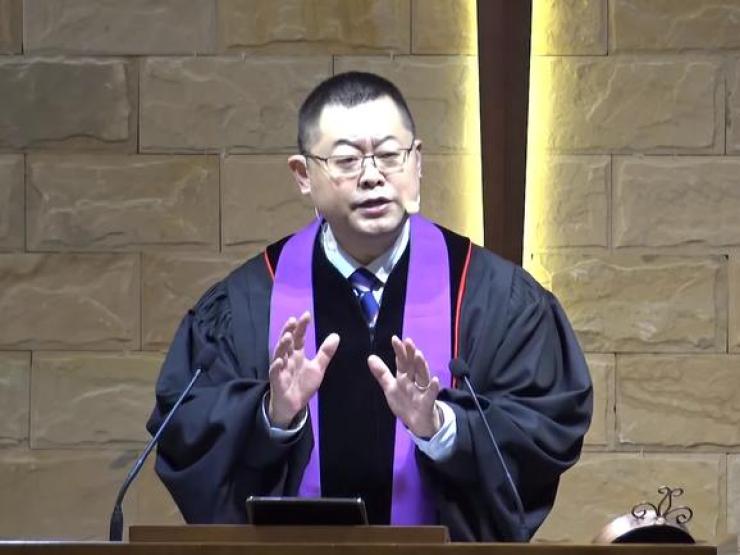
- Pastor Wang Yi was later sentenced to nine years' imprisonment for “inciting subversion of State power” and “illegal operation”; The subsequent meetings of the congregations were reduced to family, restaurant and temporary spaces, and the administration of justice sunk. In June this year, ChinaAid recorded that the police had deployed more than 100 people to prevent church members and their children from having dinners and to take 32 people away for more than 10 hours.
This round did not end on 11 September. After the two detainees were released, other members were still asked to come to the police station for questioning. The target audience was extended from priests and elders to ordinary congregations, to “who read with whom, who ate, who at the police station?”. When organizational activities are cut apart, power also cuts the interference: a 10-day detention, a summons, a doorkeeper, a warning, and ultimately a single goal — making it difficult for the unofficial churches to maintain a stable network of people.
The “Chineseization of religion” under Xi's administration is not merely a modification of the decorative or preaching language of religious sites, but requires religious groups to be organized and governed by the party-State system of accreditation. For families who refuse to enter the official “triple self” system, freedom of belief is thus reduced to a conditional private activity: you can believe it, but you cannot organize it freely; Individual prayers can be made, but a group of people cannot be guaranteed a long and stable life together.
The most powerful picture of this time was not that the police stormed into the teahouse, but rather outside the midnight police station: the elderly were kept inside, their families and religious friends were waiting outside, and an ambulance stopped at the door. It reveals the real pressure of administrative detention — not the abstract “religious administration” — but the immediate cost of the State's imposition on a group of older persons between their physical health, family care and the community of faith.
Article discussion
Verified members can discuss this report publicly and manage their own content.
Checking member sign-in status…