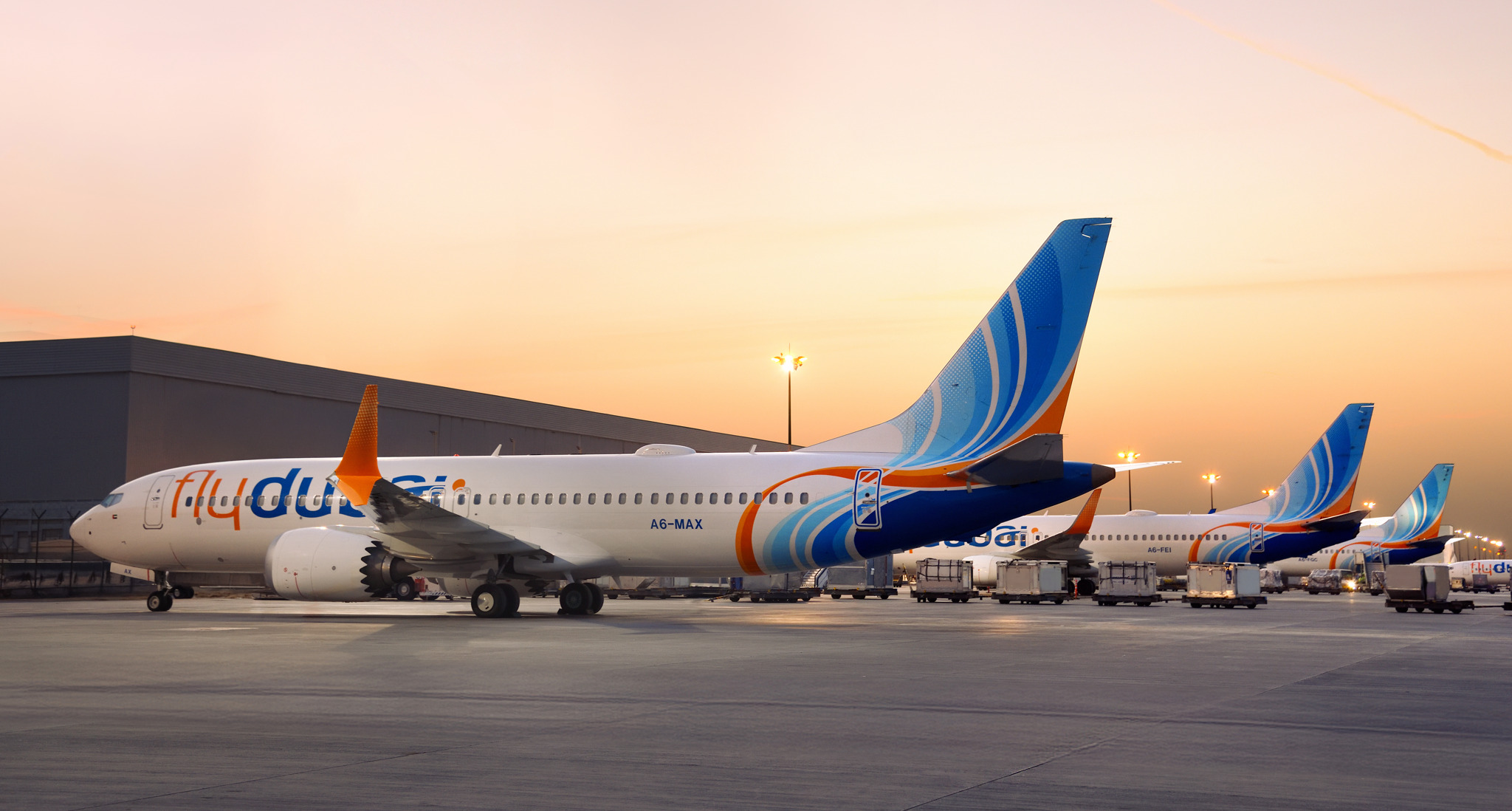
A passenger aircraft from Dubai to Tel Aviv fell suddenly at the cruise altitude, and the attackers in the cockpit were not intruders but rather co-pilots on duty. The United Arab Emirates subsequently qualified the Flydubai FZ1073 incident as a terrorist attack, which had initially been described as an “on-board incident” and escalated it into an aviation security and counter-terrorism case.
According to Reuters, AP and others, FZ1073 is a Boeing 737 MAX 8, with approximately 180 passengers on board. The aircraft took off from Dubai and flew over Saudi airspace, where violent clashes occurred in the cockpit. The investigation material indicates that the co-pilot used the pilot of the crash axe attack, which was used in the cockpit for emergency flight and break-up; The aircraft subsequently experienced a sharp change in altitude and issued emergency answering machine codes, including 7,500.
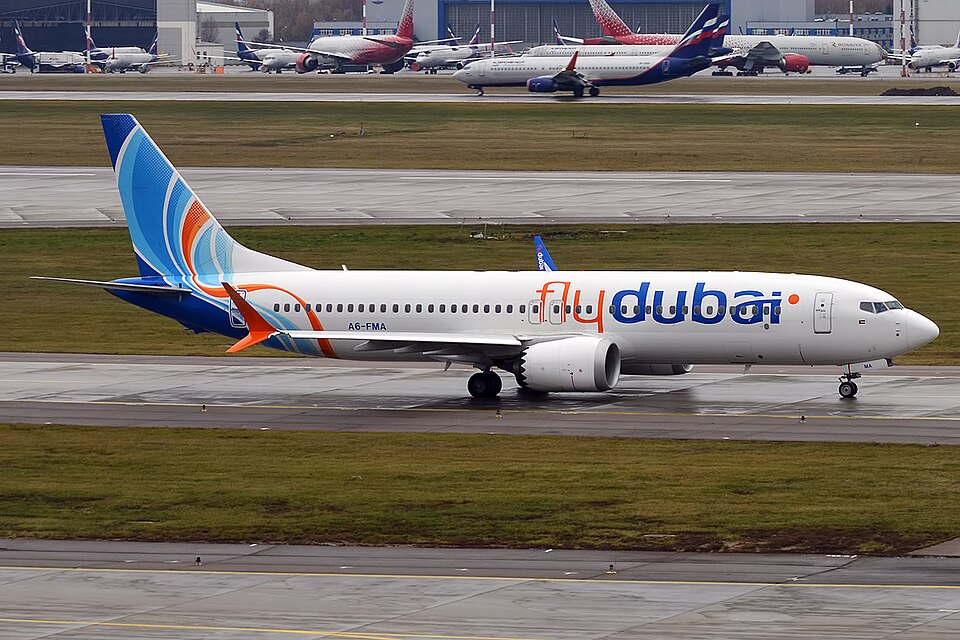
30 seconds to about 16,000 feet
Flight tracking data indicate that at one time the aircraft dropped from approximately 34,000 feet to about 166,000 feet. Reuters quoted the aviation expert simulation on 4 October that the decline had been extremely rapid and that the crew had undergone an abnormal gravitational change.
原始来源 · reuters.comReuters:模拟FZ1073急坠过程reuters.com ↗The captain of the wounded aircraft managed to open the cockpit passage. The passengers, crew members and the reserve pilots then engaged in the uniforms of the attackers, and the reserve crew re-controlled the aircraft, which eventually landed safely in Tabuk, Saudi Arabia.
原始来源 · apnews.comAP:FZ1073四小时空中危机时间线apnews.com ↗This makes the incident completely different from the type of confrontation with the general pilot: the violence in the cockpit directly caused the uncontrolled dive of a civilian passenger aircraft with large numbers of passengers and the attack vehicle came from the standard cockpit emergency equipment.
The UAE has put the case in the anti-terrorist investigation
The UAE prosecution and related authorities have dealt with the incident as a terrorist attack. The specific motivation of the attackers, the existence of external links and the existence of an identifiable security risk prior to the attack remain the focus of the investigation.
This qualification also extends the issue of liability from individual violence to internal security reviews of airlines. The civil aviation system has long used the reinforcement of the cockpit as a central measure to prevent external hijackings, but the FZ1073 has exposed “internal threats”: the person with legal cockpit clearance has itself become the assailant.
If the investigation ultimately confirms that there is an extremist background, then it must be followed not only by the attacker ' s action, but also by the presence of an alert during his flight qualification, background check, psychological and security assessment, and whether the information is in the possession of the airline or regulatory agency.
A flash axe exposes the inside of the cockpit
Crash axe was intended for emergency demolition in the event of a fire, accident or hull barrier on the aircraft. The incident showed that the reinforcement of the cockpit door would not address all threats when the attackers themselves were members of the authorized crew.
This explains why the terrorist incidents in the Emirates have been characterized as having international implications. Flydubai is a Dubai-owned airline that operates over 100 international routes. Once there are loopholes in the cockpit security clearance, the risk does not remain in the United Arab Emirates but is followed by cross-border flights into other national airspace.
FZ1073 did not eventually crash because the captain, passengers and the reserve were brought back under control in an extremely short period of time. The real problem left by the incident did not end with the landing of the plane: the aviation security system had spent decades preventing hijackers from entering the cockpit, and now had to face another more difficult risk — the threat might already be sitting in the driver's seat.
Article discussion
Verified members can discuss this report publicly and manage their own content.
Checking member sign-in status…