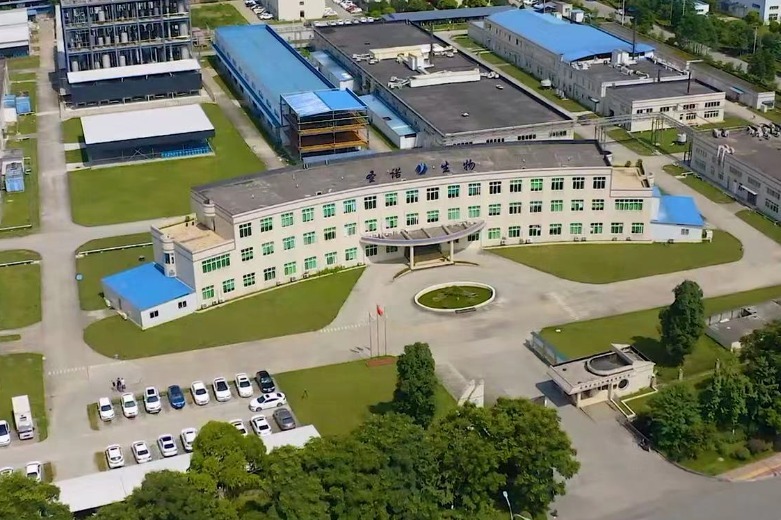
Who ultimately bears the risk of the mold and pests in the drug feedstock production workshops? A United States FDA inspection record obtained through open access to information described the site anomalies at a GLP-1-related feedstock plant in China: black molds near the equipment, infestation, and document and sample disposal disputes during the inspection.US FDA inspection logsThese details were disclosed. The production gap is safe for patients with only one supply chain, and the weakest link is in the raw materials factory where consumers cannot access it.
Chengdu Production Environment and Nanjing Raw Materials Audit, two different Quality Liability Chains
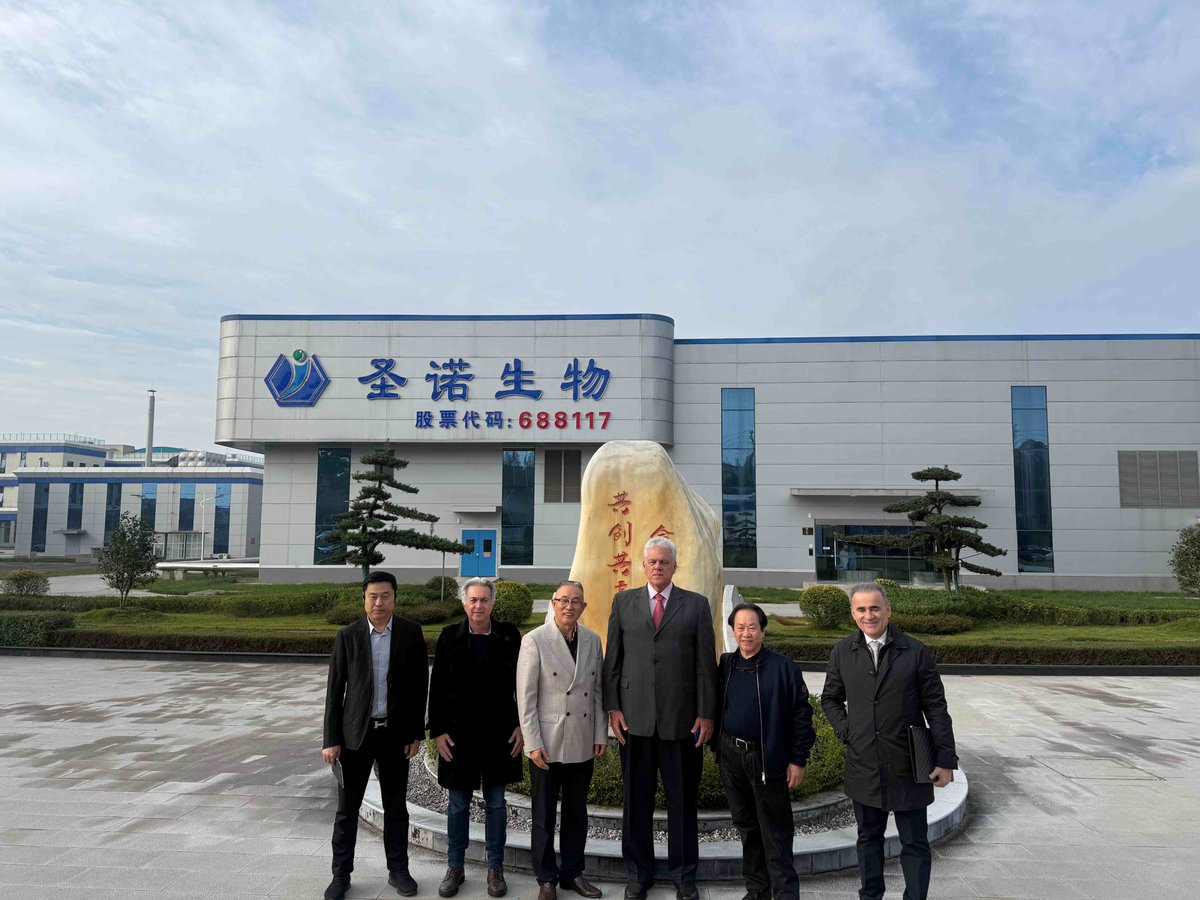
This disclosure concerned the production facilities of the Gendu Sanno-related biological industry and the Nanjing industrial medicine. The problems of the Chengdu facilities are concentrated on the documentation and disposal of samples during the plant environment and inspection; Nanjing enterprises are accused of releasing the imported active raw materials in their own name and have not fully reviewed the actual producer's test data. One concerns whether the site is in compliance with sanitary requirements, and one concerns whether the supplier has evidence of the quality of the material, and the risk is ultimately passed down to downstream enterprises along the export supply chain.
The components supplied by these enterprises relate to drugs related to the GLP-1 drug, such as Smegrope and Tripelpe, which are partially in the United States pharmaceutical-suppling market. There are different regulatory paths for pharmaceutical preparations and for the final product approved by the FDA; The issue of hygiene and traceability of the feedstock chain further complicates downstream production, customer testing and risk control.
What did China Pharmaceuticals check before? What can consumers see?
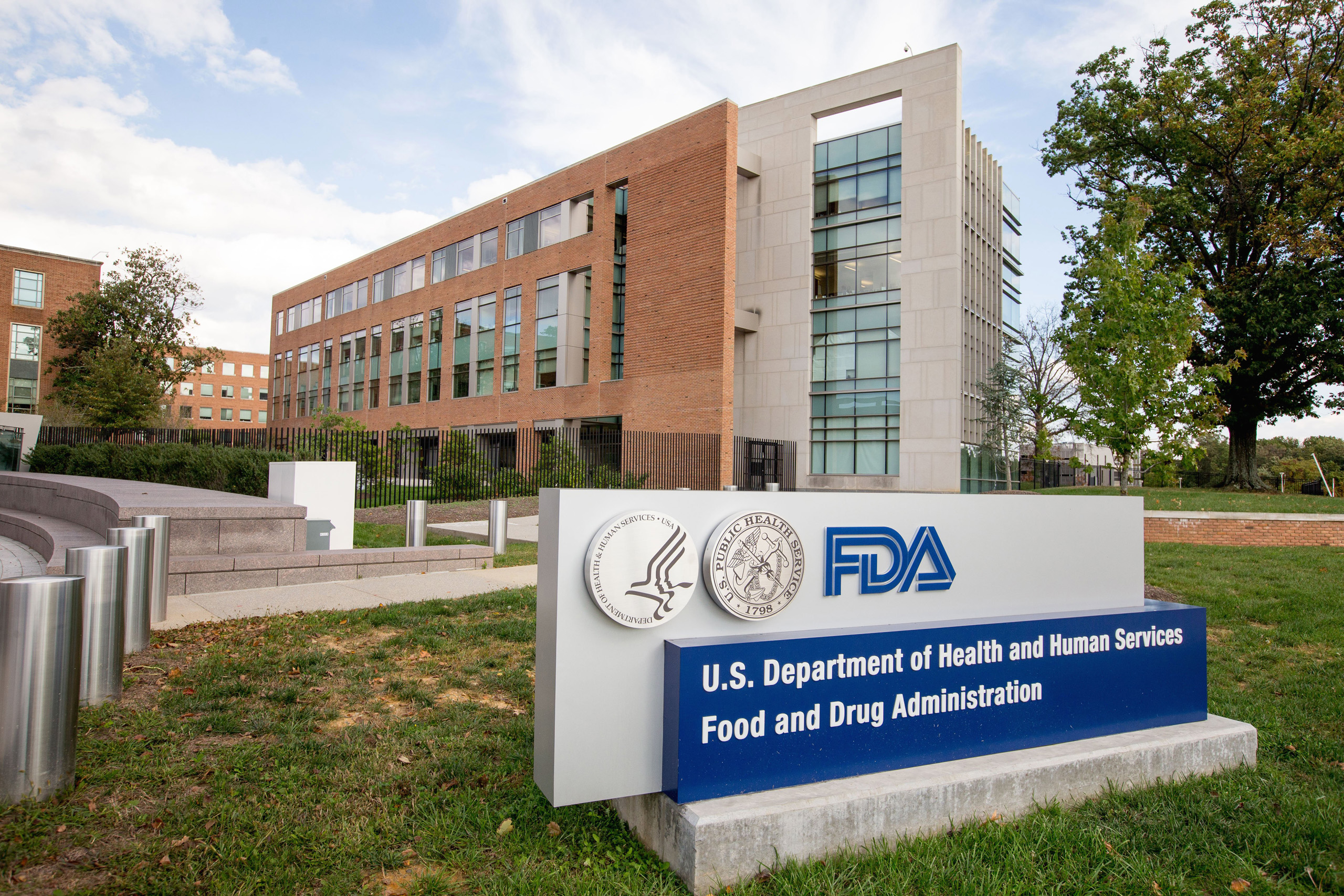
The raw materials of the drug enter the formulation business from the manufacturer, exporter and importer, and in each case the retrociprocable batch and test information is required. If release records are issued in the name of the seller alone, it is even more difficult to identify the real place of manufacture and the person responsible for the quality of the raw materials. The FDA inspection record exposes this transnational chain of responsibility to public view.
Chinese pharmacies are subject to domestic production licensing, quality regulation and regulatory inspection, and to the United States market, which is subject to regulatory requirements in importing countries. Following the discovery of contamination and record-keeping problems on the ground, the Chinese regulatory authorities ' previous inspection time, processing decisions and corrective review records of the relevant plant should be made available to the public as administrative information. Otherwise, the regulatory power has been concentrated in the hands of the executive, but responsibility has not been able to be pursued by the specific implementers.
Why the documents and samples are disposed of, why the credibility of the whole batch of raw materials is affected
The report of the inspection record of the FDA, obtained by Bloomberg on 19 October under the American Freedom of Information Act, reported that two Chinese producers used in the GLP-1 drug market for United States formulations had recorded problems of a different nature. (b) A plant with a coarse and visible contamination of equipment and ground, and the inspectors observed a small area of the ceiling; The staff tried to hide the documents and to dump the samples into the sink, and the inspectors indicated that they had not been able to complete the relevant records. Environmental pollution is a risk category for drug quality management, and the complete access to evidence during regulatory inspection may undermine the judgment of the reliability of the product as a whole.
Nanjing Industries and Medicines is facing supply chain documentation problems. FDA inspectors found that actual manufacturer information and testing documents for imported materials were not adequately reviewed and that it was difficult for the seller to prove upstream quality on its own release documents alone. Chengdu and Nanjing have found different management gaps, but have jointly highlighted the dependence of overseas clients on the real origin of Chinese raw materials and on the records of testing.
Why the US pharmaceutical market depends on raw materials for their own retroactivity
Smegrope and Trippone are well-known drug-related components of the GLP-1; But the pharmaceutical preparations on the United States market are not exactly the same as the finished drugs officially approved by the FDA. Pharmaceutical preparations are usually prepared by pharmacies or other qualified institutions for specific needs, and their products are not necessarily subject to full pre-market approval by the FDA for the safety, effectiveness and quality of the finished product. When upstream raw materials are transferred from multiple production, procurement and sales, full batches, inspection records and actual manufacturing sites are particularly critical.
The inspection data indicate that FDA had previously inspected Nanjing transit workers in March 2025 and the Chengdu Sanno related plant in September
- The physical anomalies recorded today require enterprises and regulators to re-examine batch history and quality: which stages of production are biased, which customers receive counterpart goods, and how to initiate review and notification when problems arise.
Found regulatory responsibility in China from the FDA site
China ' s manufacturers, pharmaceutical regulators and United States importers have responsibilities. Enterprises need to have a complete record of actual manufacture, detection, release and export; China ' s regulatory authorities are required to provide retroactive explanations of the country ' s licensing, inspection, correction and review measures; The United States importer is required to fulfil its obligations on the basis of quality evidence. The management chain extends across borders and does not automatically exempt any link from liability.
The scabs are visible health problems, and the records and samples disposed of directly affect the ability to ascertain the quality of the product as a whole. The accountability should be from the scene to every release.
China’s pharmaceutical industry has accelerated its expansion with policy support, and the problems of the exposure of the export chain of raw materials have been placed on a firm’s record of actual production and regulation: who regularly comes to the site after a pharmaceutical export company has obtained a production permit, finds out who handles the serious deviations, and how quality information on the product is communicated to domestic and foreign customers.
The drug is produced half a planet from its place of use, but the risk of pollution does not disappear by crossing national borders. The inspectors saw the plant, the samples and the documents, and the patient was exposed to the final product after the formulation of the pharmaceutical formulation. It is essential that the complete mass be traced back to the end. China’s regulation leaves the real problems of the production of raw materials in the factory if it shows only the size of the industry, and the so-called upgrading of the pharmaceutical manufacturing system will ultimately not reassure the users.
Article discussion
Verified members can discuss this report publicly and manage their own content.
Checking member sign-in status…