
The Nobel Peace Prize awarded the honour of 2026 to South African lawr Navi Pillay on the grounds that she had long promoted peace and international law. This decision deserves respect and is also worth asking. As United Nations High Commissioner for Human Rights, Pillay had first-hand experience of a systemic dilemma: the Chinese Government could claim to support human rights at United Nations conferences, but had prevented many years of field visits by the highest United Nations human rights officials. The value of international law was never radiant in the medal, and was it still capable of reaching the victims when power refused to accept the test.
On 9 October, the Norwegian Nobel Committee announced She was born in the Indian family under apartheid in South Africa, and was a former anti-apartheid activist, later a judge of the International Criminal Court, United Nations High Commissioner for Human Rights, and involved in the case of Balus. International judicial work in the country and Myanmar. The Commission emphasizes that peace cannot be achieved by the will of the strong, but rather by a system of accountability for war crimes, crimes against humanity and genocide.
This award is of practical relevance to China. Beijing has always advocated national sovereignty and non-interference in internal affairs, but has also participated in United Nations human rights mechanisms and signed and ratified numerous international human rights treaties. The question is not whether China should have sovereignty, but whether sovereignty can be a permanent shield for refusing to investigate, providing information and assuming responsibility when a country is accused of mass detention, suppressing religious and ethnic culture, and punishing political dissent.
A closed door in Peligen
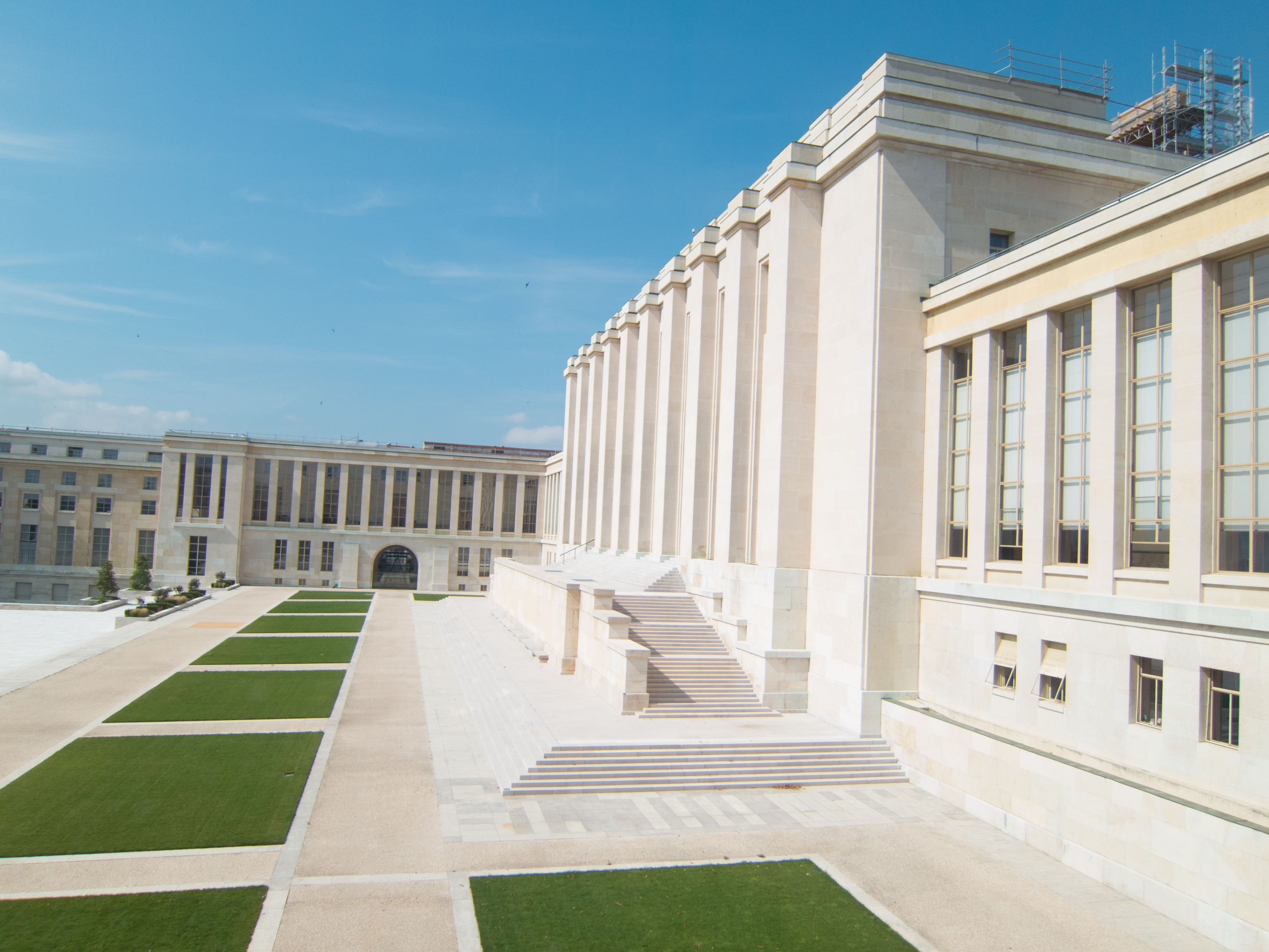
From 2008 to 2014, Pillay served as United Nations High Commissioner for Human Rights. The study of China ' s impact on United Nations human rights mechanisms by Human Rights Watch in 2017 was documented and she sought to visit China in her tenure, but the Chinese delegation will be long overdue in visiting the country without a field visit. This fact demonstrates that even those with the highest human rights functions within the United Nations system cannot enter a country that refuses to accept independent monitoring solely on the basis of international law.
Field visits are not diplomatic courtesy. The ability to meet independently with the clients, family members, lawyers and medical personnel in relation to detention, enforced disappearances, allegations of torture and administrative control of ethnic areas determines whether the investigation duplicates the Government ' s statement or can obtain verifiable facts. Beijing could send official delegations to the Geneva venue, but international investigators were not necessarily allowed to enter Xinjiang prisons or Tibetan religious institutions. This information asymmetry allows accused persons to simultaneously take control of the investigation.
In 2022, OHCHR released the Xinjiang Human Rights Assessment which noted that serious human rights violations could constitute international crimes, in particular crimes against humanity. Four years later,https://www.hrw.org/news/2026/08/27/china-decade-of-impunity-for-crimes-against-uyghurs"target" = _blank" rel = noopener noreferrer" Data-linked-reference= true" data-reference-label = `Human Rights Watch's August 2026 report on Xinjiang'. Human Rights Watch continues to criticize the international community for its lack of substantive accountability and the Chinese authorities have not sufficiently changed their policies. Without independent investigative channels, effective remedies for victims and international action that is not sufficiently effective to produce results, serious United Nations reports could be absorbed into archives by political negotiations.
Medals are not a substitute for the review of the United Nations itself
Nor is it uncontroversial that the Pillai prize was won. <a href="https://unwatch.org/complicit-in-genocide-u-n-whistleblower-denounces-nobel-winner-navi-pillay/"target" rel = "nopener noreferrer" da-linked-reference = "true" data-reference-label = "UN Watch repeats the allegations of former employees" UN Watch UN Watch On 9 October, WATCH quoted allegations from former United Nations employee Emma Riley, alleging that the United Nations human rights system had provided the Chinese authorities with the names of dissidents, including Uighurs, during his tenure, and questioned her responsibility. This is a serious institutional accountability charge that cannot be ignored because the awardee is of high standing or recognized as a proven individual violation solely by the statements of the critical groups. Independent review of relevant documents, procedures, division of responsibilities and possible consequences for victims is required.
That is why Pyle should not be judged as a “heroe” and a “criminal”. Her involvement in the establishment of important precedents in international criminal justice is an verifiable history; The question of whether the United Nations human rights machinery of her mandate had had access to China, information protection and independence should also be examined. The least needed international prize in the name of the rule of law was to spare the winners the rule of law.
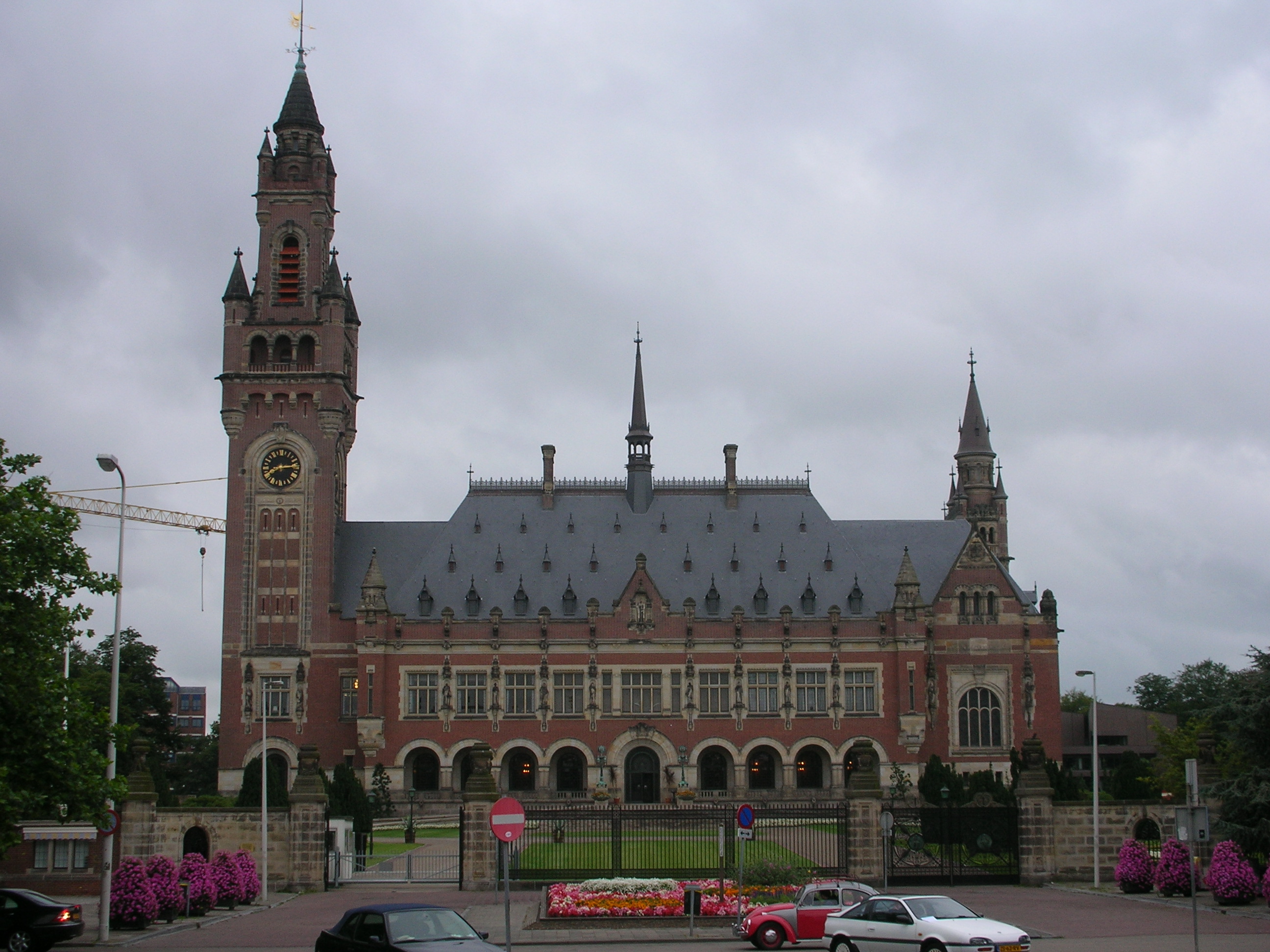
Such a review must also go beyond China. Whether the violations occurred in Xinjiang, Ukraine, Myanmar, the Sudan or Gaza, international human rights law should not alter the applicable standards because of the different allies, political blocs or military might of the perpetrators. Criticism of Beijing dictatorship cannot mean that it is a pretext for the grave abuses of other countries; Similarly, the rejection of war crimes in other regions should not be a reason to evade Chinese political prisoners and oppressed minorities. True universalization is all the power to impose the same set of standards on itself and on its support.
The last thing Beijing wants to face is not condemnation, but someone who can take evidence independently.
The Chinese Communist Party has long described external human rights criticism as political interference, while emphasizing compliance with international rules when it requires international trade, investment and technical cooperation. A Government could not demand that other States respect its treaty rights while at the same time considering the fundamental rights of its inhabitants as a totally non-negotiable internal matter. The significance of human rights treaties is precisely that States have agreed to subject parts of power to norms that take precedence over everyday political convenience.
Nor can the international community regard every Nobel Prize, United Nations statement or diplomatic condemnation as a fulfilment of its mandate. A truly effective mechanism should protect the identity of individuals who submitted information to the United Nations, allow victims to give testimony in safety, require States to make public records of detention and trial and set clear political and legal costs for refusal to cooperate with investigations. Without those links, international law could become the language invoked by States from the rostrum and set aside on the borderline.
The Pillai Peace Prize reminds the world that the law must bind the strong. The value of this sentence for China ' s political prisoners, Uighur families, Tibetan religious communities and ordinary citizens deprived of freedom of expression depends not on Oslo ' s applause, but on the ability of international institutions to follow through on the next time people demand independent access to prisons, verify the missing lists and protect witnesses. What is really needed is not only those who uphold the law, but also those who finally can be protected by it.
Article discussion
Verified members can discuss this report publicly and manage their own content.
Checking member sign-in status…