One served on an American warship and one worked in an American company; The information that Beijing intelligence officers need has brought two different life paths into United States criminal cases. Today,United States Department of Justice announcement of 5 OctoberIt appears that Jinchao Wei and Ping Li face civil proceedings for revocation of citizenship.
South China Morning News, October 6th.The application for Wei was submitted in Southern California on 30 September and for Lee in Central Florida on 1 October. The application and withdrawal of nationality have taken place at two different stages. The two civil proceedings have not yet resulted in a determination of liability.
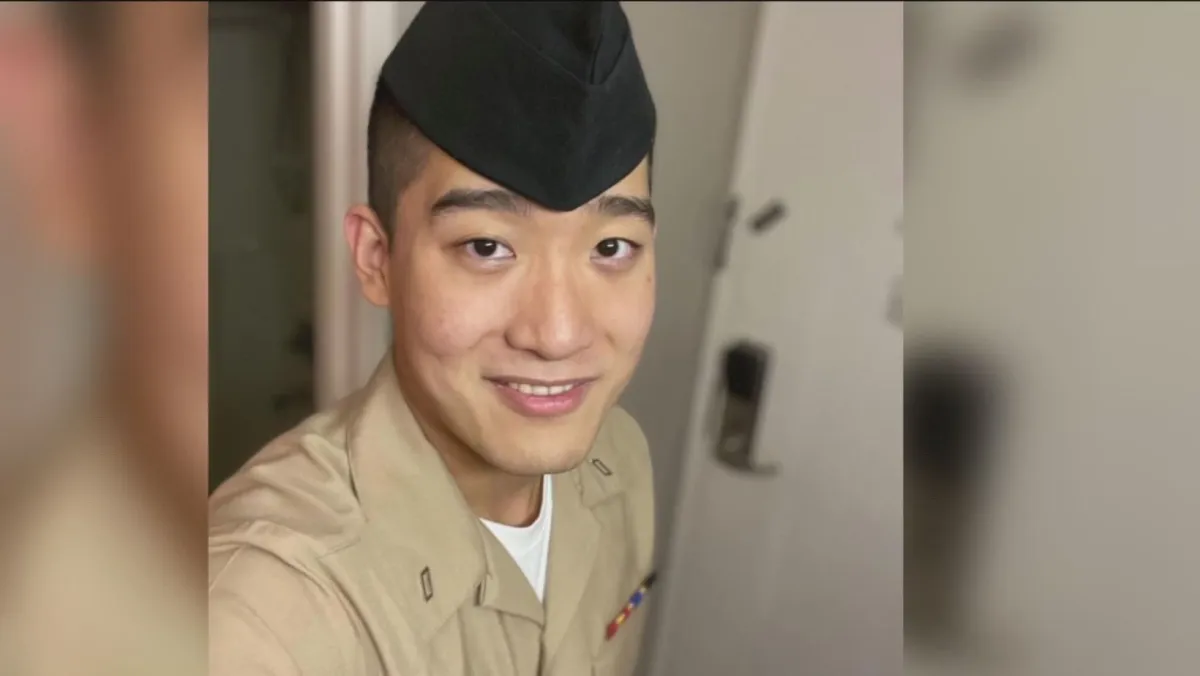
In Wei ' s case, recruitment began with a person in social media who claimed to be a Navy fan.The trial transcript of Wei, published by the Ministry of JusticeIt was recorded that this Chinese intelligence officer had requested information on the ship; Wei provided information, including technical and operational manuals, and received remuneration. He was convicted by a jury on six counts in 2025 and sentenced to 200 months in January this year, but the same jury found him guilty of naturalization fraud.
This makes the new proceedings particularly worthy of being accurately presented. The Government cannot directly write about the conviction of espionage as a naturalisation fraud and cannot substitute a public notice for a civil decision. The Ministry of Justice now advocates that the process of obtaining naturalization is illegal and that it needs to be established in new cases, including the question of concealment.
The Lee case revealed another kind of information need. According to the October announcement, he had been instructed by Chinese Ministry of National Security personnel to gather information on Chinese dissidents, advocates of democracy, Falun Gong members and United States non-governmental organizations, as well as sensitive information from employers. The announcement recorded that he had pleaded guilty in
- The Government now requests that their naturalization status be withdrawn.
The technical information of the warships, which seems to be far from that of the exiles, serves the need to acquire military capabilities and control political dissent from Beijing. For dissidents, the risk may begin with a person who is familiar with the local life and who is able to approach the community. Transnational repression does not necessarily begin with an offshore police force, but also creates an information portal with seemingly unusual human connections.
In this relationship, recruiters continue to increase their tasks and recruiters gradually accumulate risks. The intelligence agencies obtain documents and lists, while individuals bear the consequences of conviction, prolonged imprisonment and identity proceedings. Political power extends the task of gathering to other societies, at the expense of specific individuals.
Both proceedings also tested the use of the right of removal by the United States Government. (a) The existence of a realistic basis for the counter-information of secret activities in Beijing, which must still be addressed in terms of individual behaviour and legal conditions; The fact of birth and Chinese status cannot be a substitute for the fact of the crime. The precise distinction between the two would not allow intelligence services to exploit the overseas community and further harm unrelated ordinary migrants.
In the Wei criminal decision, one item of “naturalization fraud” was not guilty; The new civil indictment seeks to open another legal path. The distance between the two documents is ultimately filled out by the courts rather than by political slogans.
Article discussion
Verified members can discuss this report publicly and manage their own content.
Checking member sign-in status…