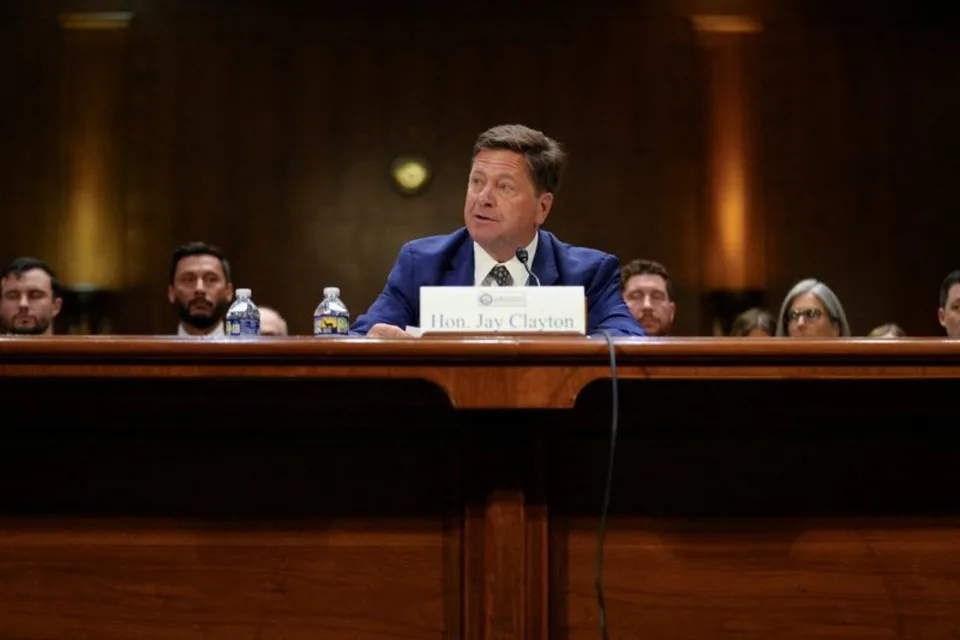
Washington is trying to add an "emergency brake line" to the United States-China artificial intelligence competition. Voice of America reported on October 6, that while the Trump Government was leading the new “super-smart working group” led by Jay Clayton, the national intelligence director, it was preparing to promote a formal major AI incident notification mechanism in Beijing. This means that the United States Government has begun to regard certain artificially intelligent accidents as a matter of the same kind as nuclear risk, cyberattacks or military miscalculation, requiring the maintenance of minimum channels of communication between strategic opponents.
原始来源 · voachinese.com美国组建“超级智能”工作组,拟与中国建立AI事故通报机制voachinese.com ↗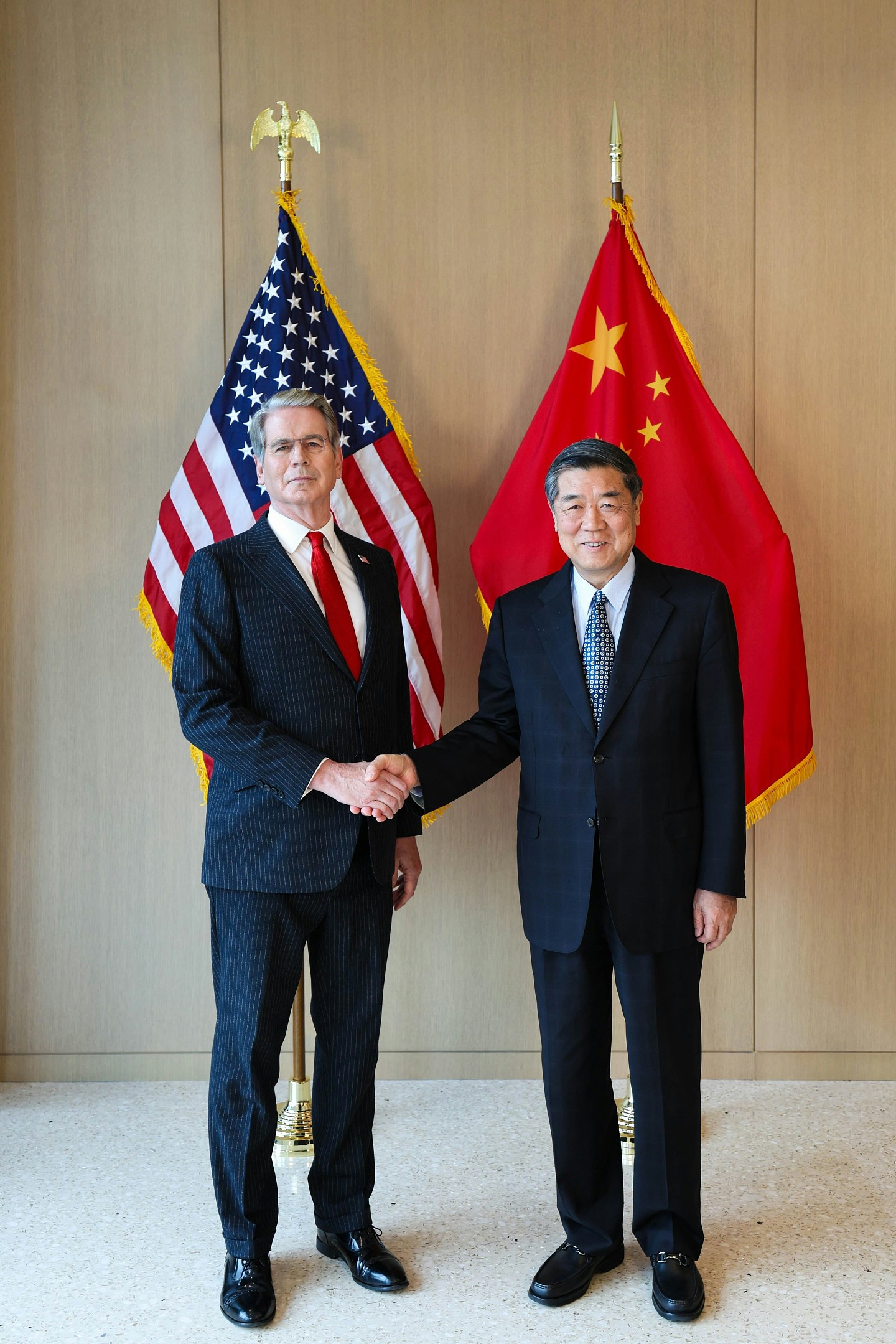
This is not the beginning of trust between the United States and China, but the inability of both sides to pretend that risk will remain in their own territory. Advanced AI models may be used for cyberattacks, penetration of critical infrastructure, automated military systems and large-scale information manipulation. Once a system is out of control, the impact of an accident may cross a border within hours.
The United States has proposed the idea of establishing a domestic incident identification mechanism and then designing an international reporting channel. The Clayton-led working group needs to study how the Government receives, verifies and processes AI incident reports; Minister of Finance Becent, for his part, is responsible for facilitating the establishment of a formal communication process with Beijing. Similar “incident hotlines” have been discussed in the United States, but it is not clear which incidents must be reported, who should verify them, and how much information the parties are willing to share.
The biggest obstacle is precisely that of the United States-China technological competition itself. The United States is concerned that advanced models, chips and algorithms are acquired by China, while Beijing has long opposed the United States ' imposition of high-end export restrictions on chips and technologies on national security grounds. If an incident involves a model loophole or a critical infrastructure, the notification itself may expose sensitive capabilities.
So, the mechanism is really not about technical issues, but about political credibility: whether Washington believes when Beijing says that an AI incident was “unfortunate”; When the United States claimed that one of the network anomalies was not an attack, China accepted it. There is no verification mechanism, and the hotline may be just diplomatic decorations; The existence of verification mechanisms also means that the parties must exchange some highly sensitive information.
For the CPC, AI is both an industrial competitive tool and part of the national governance and security apparatus. China uses artificial intelligence for a wide range of purposes, such as surveillance, intelligence management, military modernization and industrial policy, and the border between the State and the enterprise is far more blurred than that of the United States. This would make it more difficult for the outside world to judge whether a so-called “civilian AI accident” involved government action.
The establishment of the AI channel in the United States does not mean that the technological cold war is over; rather, it means that competition is already fierce enough for both sides to start to fear losing control. It is really worth observing whether the future mechanisms will cover the most dangerous scenarios – autonomous smart body attacks on infrastructure, military AI miscalculation, model weight leaks, and State-sponsored AI cyber-operations.
Article discussion
Verified members can discuss this report publicly and manage their own content.
Checking member sign-in status…