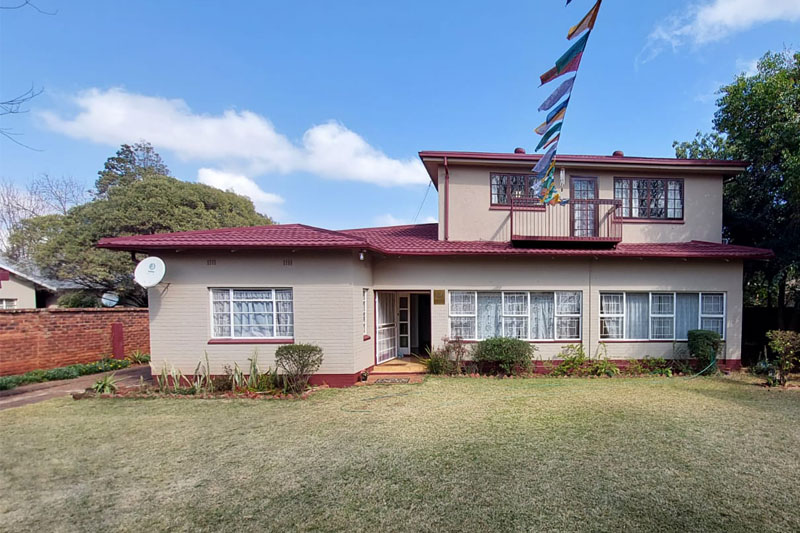
On October 14th, around 11:15 p.m.The Littleton Estate in Sentulyn, near Pretoria, South Africa, woke up from sleep the Tibetan representative Don Jogabo with a broken glass. He opened the bedroom door and saw the smoke pouring into the house, had to close the door again and break the window and climb out. The broken glass cut his body when he escaped. After the fire had been extinguished, the buildings formerly used as both a house and an office were burned and documents and furniture burned; He told " The One-on-Site " that it was no longer available.
The office is used by the Dalai Lama ' s representative in South Africa for cultural, religious and educational exchanges among Tibetans. The attack was not an occasional night terror.July 6th of this year.Three incendiary bombs had been dropped at the same location, and only one exploded on the steps, without causing the same serious damage. Don Jogabo had previously requested that the first attack not be made public; After the second fire burned into the house, he had to tell the media about his experience.
South African police confirmed that Radio Free Asia was investigatingAfter the incident, the fire brigade, crime scene officers and investigators arrived and no suspects were arrested at the time of the publication.International Organization for Solidarity with Tibet and International Tibet NetworkPublicly accusing the attack of being intimidating and calling on the police to investigate whether outside State forces were involved. Tibetan activists suspect that Beijing may be politically motivated, but the identity of the attackers and the behind-the-scenes have not yet been determined by the police. The news cannot directly write this important issue into a proven Chinese national operation.
The Tibet Representation Office has been in place in South Africa since 1997.The Government of the then President Mandela agreed. Since then, South Africa has established diplomatic relations with Beijing, where Tibetan organizations are constantly facing Chinese diplomatic pressure in their cultural and religious space. This is why the two arsons against the representative ' s residence have exceeded the social consequences of the ordinary property damage case: if the police cannot find the assailant and confirm the motive, a cultural institution that is allowed to operate by the South African Government may be afraid to continue its normal activities out of fear.
The threat directly affects the safety of the person, both at home and in bed alone. The South African Constitution protects the right to security, belief and association of individuals, and the ability of the population to receive such protection should not depend on the political controversy they have with any major Power. The Tutu Heritage Foundation and the Tibetan Human Rights Agency requested a full investigation into the two incidents in July and October, which was a test of the ability of the South African Government to guarantee non-citizens who were peaceful in its territory.
The office after the fire needs to be repaired and the damaged documents may not be restored. What really awaits answers is where the two incendiary bombs came from, why they were aimed at the same place of residence, and whether the threatened person will be able to live in safety in the future. The window opened by Don Jogabo left the most direct physical evidence of this political intimidation cloud.
Article discussion
Verified members can discuss this report publicly and manage their own content.
Checking member sign-in status…