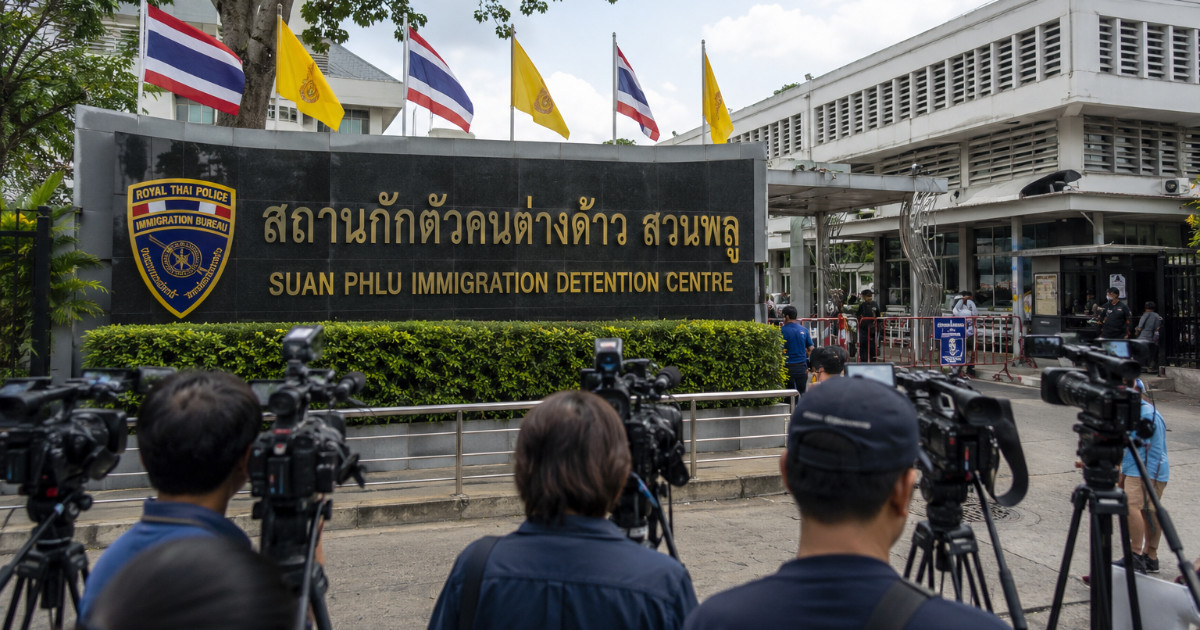
The original goal of the Beborg East was to leave Thailand and go to a third country willing to receive him. On 9 October, the Southern Criminal Court of Bangkok rejected the objection of the Chinese investigative journalist to his prolonged detention. The day before that, the Thai prosecution initiated judicial proceedings based on the extradition request filed in Beijing and moved him from the immigration detention centre to the Bangkok prison. Two different legal procedures have been introduced, which has put a United Nations-identified refugee at renewed risk of being returned to China.
This time, the court decided what changed.
On 9 October, Agence France Presse cited counsel Nadthasi Bergman as the court considered that China had filed an extradition request and that it was therefore necessary to continue detention. This decision dealt with a dispute over the legality of detention, not the fact that it had been decided that the Bebndong could be extradited to China. The extradition hearing was scheduled for 25 January
- The fact that the refusal of release is directly written as “the court's approval of extradition” would confuse the two most important stages of the case.
At 56, the PBG had a long-standing investigation into corruption among Chinese officials, leaving China in 2023 and entering Thailand in
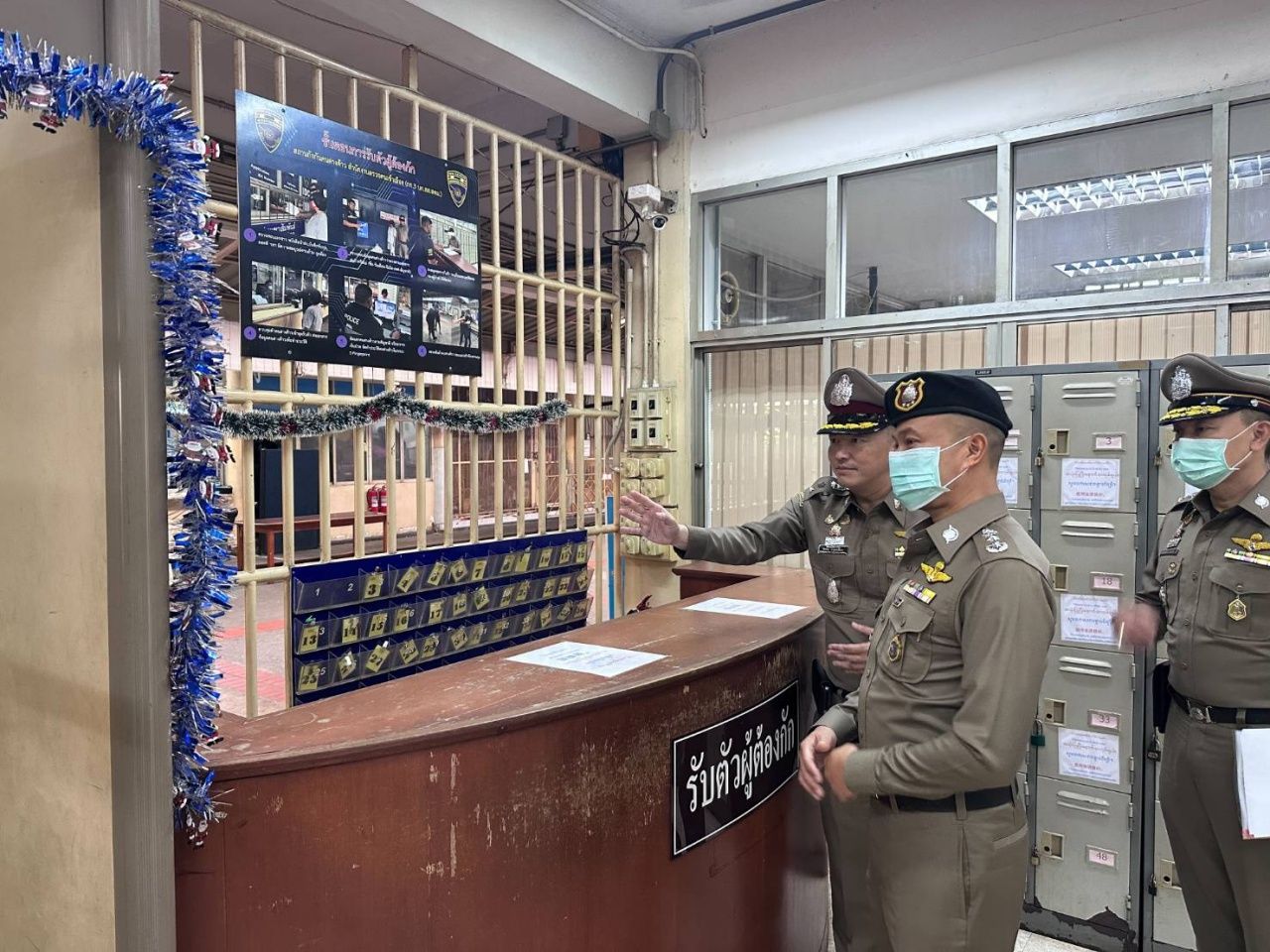
- Since January this year, he has been detained at the immigration detention centre in Bangkok. The organization revealed that a third country had offered asylum, but that Thai immigration authorities had twice prevented him from leaving the country as he had travelled. He could have left the situation in danger through a third-country protection arrangement, but was left in Thailand for extradition proceedings initiated by China.
From immigration detention to criminal extradition, how to obtain a procedure for taking the initiative in Beijing
China issued arrest documents in 2024 and formally requested extradition from Thailand in
- In July, the Chinese Ministry of Foreign Affairs publicly accused Whitebnong of extortion and bribery. Bedmethong and his supporters, for their part, consider these allegations to be linked to their investigation reports and to their exposure to official corruption. Importantly, a request for cross-border extradition is not synonymous with a criminal charge that has been confirmed by an independent court. The Thai trial must be faced with the nature of the evidence, extradition treaties and the real security risks for the applicant.
RSF documented on 8 October that the afternoon of White Mt. Dong was suddenly taken to the criminal court in Lachanda, Bangkok, and that lawyers had to go to the scene without prior notice. The organization also referred to the statement by Baekbong that a Chinese citizen who claimed to work at the Chinese Embassy had tried to persuade him to return voluntarily to his country in court. This is a public statement by the party concerned and is sufficient to constitute a point of pressure in court that deserves to be traced; However, the official status of the person and the functions of the Embassy cannot be confirmed by mere claims.
原始来源 · rsf.org无国界记者组织:10月8日引渡程序与拘押变化rsf.org ↗The most alarming aspect of such cross-border operations is not only the possibility of the public security organs issuing wanted documents, but also the ability to change the situation of an exiled journalist through the legal procedures of another State. The Thai courts have been legally competent to review extradition as a normal exercise of judicial power, but the normal form cannot substitute for an independent determination of the political context of the case and the risk of torture.
Why did the United Nations refugee status not release him from detention?
The United Nations has recognized the status of refugee in the case of the Bedmong East. Thailand is not a party to the 1951 Convention relating to the Status of Refugees, but its obligation to prevent persons from being sent to areas where they are at risk of torture remains governed by other international human rights norms and relevant national laws. RSF, Protector, Amnesty International and the Thai Foreign Journalists Club have publicly warned that Bedmong Dong may face arbitrary detention and ill-treatment if returned to China.
原始来源 · cpj.org保护记者委员会及58家机构联署cpj.org ↗原始来源 · amnesty.org国际特赦:白兆东强制遣返风险amnesty.org ↗The question further points to the Government ' s own administrative responsibility: why did immigration authorities stop the country twice, when a third country had intended to receive it? If there is no clear end to long-term immigration detention and when the extradition request comes, does the detainee in fact lose the opportunity to choose a safe place of destination? Such procedural issues should not disappear in the diplomatic language of “respect for justice”.
A press card can no longer protect him, but the law can still protect him.
The White Gmbong case placed freedom of the press and the principle of non-refoulement on the same calendar of the Tribunal. The Chinese authorities may request extradition in accordance with the law, but domestic criminal charges alone cannot absolve Thailand of its responsibility to judge the consequences of human rights. Thailand could consider the application, but it would also explain why a person who had already received international protection and had received an offer from a third country could not choose to leave the country safely.
The result of 9 October meant that BGW had not been released for the time being, but that it had not been successful in Beijing. The most important next record for journalists concerned with transnational repression is not a political slogan, but the specific basis for public decisions by Thai courts, the duration of detention, documents that have been blocked in third country resettlement, the meeting of lawyers and the extradition hearing in January
- At each step, it was decided whether a journalist who had long been investigating corruption in China could continue to report freely or be forced to re-enter the power system from which he had fled.
Article discussion
Verified members can discuss this report publicly and manage their own content.
Checking member sign-in status…