On 7 October, Jiangsususu-sione commissioned a lawyer to Beijing to continue to address the dispute over the demolition of the premises and the previous interception and beatings. She was taken to the case centre by the Beijing police before she had completed her journey to seek legal assistance; The Public Security Division of the Tin Development Zone then travelled to Kyoto, claiming that she had violated the regulations governing her remand in custody and had taken her back to Tin. By the night of 9 October, Humans Watch reported that she remained in the local case centre and had not yet returned home.
原始来源 · msguancha.com民生观察10月9日:邹晓燕跨省带回msguancha.com ↗There is a more specific difference between this matter and what is often referred to as the “Censorship to Kyoto stopped”: she publicly stated that she was to entrust a lawyer with the case. Why would an ordinary citizen choose a lawyer to defend his or her rights and interests and trigger a cross-provincial police escort? What is the actual detention status and legal formalities after being taken back?
Four years of disputes starting with a surface.
In April 2022, the Zou Xiaoyan complex was marred by local demolition arrangements. According to her complaint, the persons in Taihu Street damaged the shop and front facilities and placed a block to obstruct the flow of passengers. She then called the police, filed charges and responded to multiple levels of correspondence, failing to resolve the dispute. She went to Beijing in 2024 to report the situation and then charged that she had been taken away by local officials and beaten in a hotel. In October 2024, her husband submitted a letter of complaint to the City of No Seymour Inspectorate; On 28 October of that year, OMV reported separately its complaints against the interviewees.
原始来源 · mail.msguancha.com民生观察2024年:邹晓燕实名控告被殴打mail.msguancha.com ↗Zou Xiaoyan complained about more than just some sort of demolition compensation. (b) Whether the pavement can continue to operate directly in relation to family income; (b) The police ' s admissibility of the police to determine whether she can obtain habeas corpus through public authority; The handling of claims of mutual inversion by the courts, the correspondence department and the courts affected her ability to resolve disputes locally without having to cross the city.
In March 2026, the police officers of the San Si Jin took measures to secure Zou Xiaoyan and others on remand for alleged disruption of the working order of State institutions. She was already under criminal procedure before she came to Kyoto on 7 October. This also led the police to refrain from invoking their obligations during the bail-out period in a new round of operations on the sole ground of order of correspondence.
A bail pending trial is not a substitute for the interpretation of every restriction of liberty.
(a) In accordance with the Chinese Code of Criminal Procedure, persons on remand for bail may not leave the cities and counties where they live without the approval of the executive authorities; The relevant law must remain in force by the executive branch. If Zou Xiaoyan leaves the country without permission, the police can deal with the regulatory violation. However, whether it has been ratified, whether it has notified itself, and what procedures are for changing measures of constraint need to be matched with specific instruments. Nor can she be allowed to speak of a normal legal advice per se as unlawful simply by meeting with a lawyer.
The report of Human Life Watch of 9 October did not disclose the approval of the eviction application, the decision to change the measure of constraint or the official detention notice. Therefore, it is most certain that the cross-provincial returns reported by the media have been brought back and remain uncooked; She should be identified in the relevant criminal procedure documents after returning to her legal status in the absence of tin. It is not appropriate to report that the description of “remain in custody” is used to claim that it has been held in criminal detention.
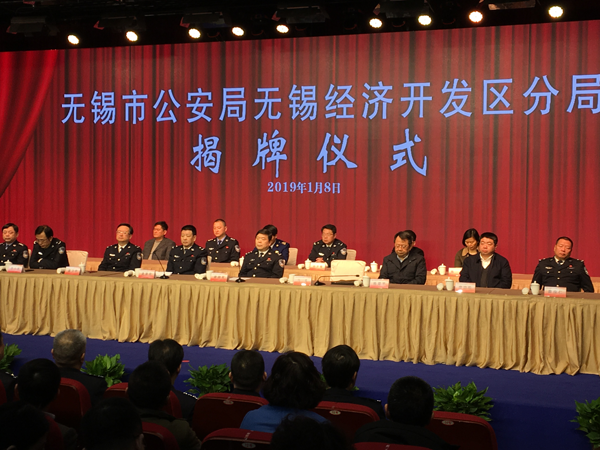
In 2019, the Public Security Department of No Sino-Sino-Sino-Sino-Sino-Sino-Sino-Sino-Sino-Sino-Sino-Sino-Sino-Sino-Sino-Sino-Sino-Sino-Sino-Sino-Sino-Sino-Sino-Sino-Sino-Sino-Sino-Sino-Sino-Sino-Sino-Sino-Sino-Sino-Sino-Sino-Sino-Sino-Sino Public Security Service held a public ceremony to open a separate bureau to open the list of public places, which made it clear that the station had responsibility for the management of police stations in the district and public security. The Bureau is now involved in a dispute over the right to run a demolition, complaint against locals and legal advice to the Beijing authorities. In local governance, the same institution has both the administrative objective of maintaining order and the capacity to enforce the law that limits access to managers, and when procedures are not sufficiently transparent, the legitimate legal recourse of the parties can easily conflict directly with the “stable” objective.
原始来源 · jsnews.jschina.com.cn江苏网:无锡公安经开分局成立与辖区职责jsnews.jschina.com.cn ↗What happened to the chain of responsibility from the demolition dispute to travel restrictions?
The experience of Zou Xiaoyan reflects how the grass-roots dispute may escalate: the 2022 plaguing conflict, which led to the 2024 Queen's call for help, interception and assault complaints; The complaint is rather intertwined with new cases of alleged disorder; By 2026, cross-provincial search for a lawyer was again placed on bail. Each individual action may be subject to different documents, law enforcement subjects and reasons, but, in combination, it makes it difficult to return to the judicial track where evidence and responsibility can be discussed.
The public is best entitled to ask not whether Zou Xiaoyan is entitled to express his grievances, but who is to deal with her complaints of damage to property and beatings independently; Whether cross-municipal travel during the period of bail pending trial is authorized by law; (b) The procedures for restricting their freedom in Beijing and in the non-Singue police, respectively; When was counsel allowed to contact him? These are not abstract challenges that are de facto, but specific nodes that determine whether a citizen can obtain effective relief.
The Humans Watch concluded on 9 October with a note that she had not returned home. This is the most urgent situation at the moment and is an indication that, when a person has to seek help across the province to continue to pursue an original dispute, the issue of local governance has been extended from demolition itself to the right to sue and personal freedom.
Article discussion
Verified members can discuss this report publicly and manage their own content.
Checking member sign-in status…