
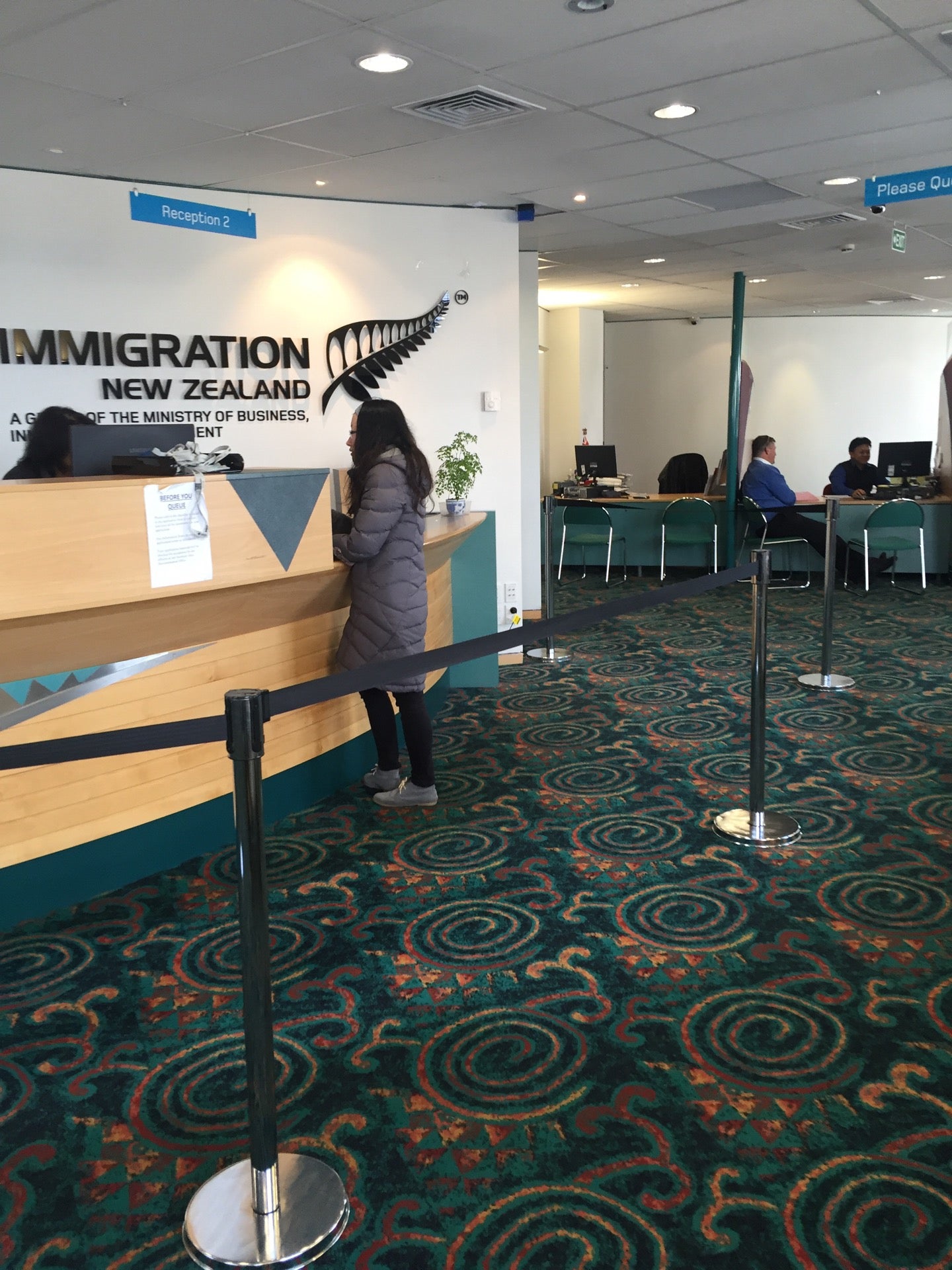
New Zealand media disclosed on 5 October that two Christian men from China had recently been granted refugee protection in separate cases. The facts of the two cases are different and point to the same law: if the applicant continues to practise his or her beliefs in public, the risk he or she faces upon return to China is not general social discrimination, but rather the possibility of arrest, prosecution and continuous monitoring by State authorities.
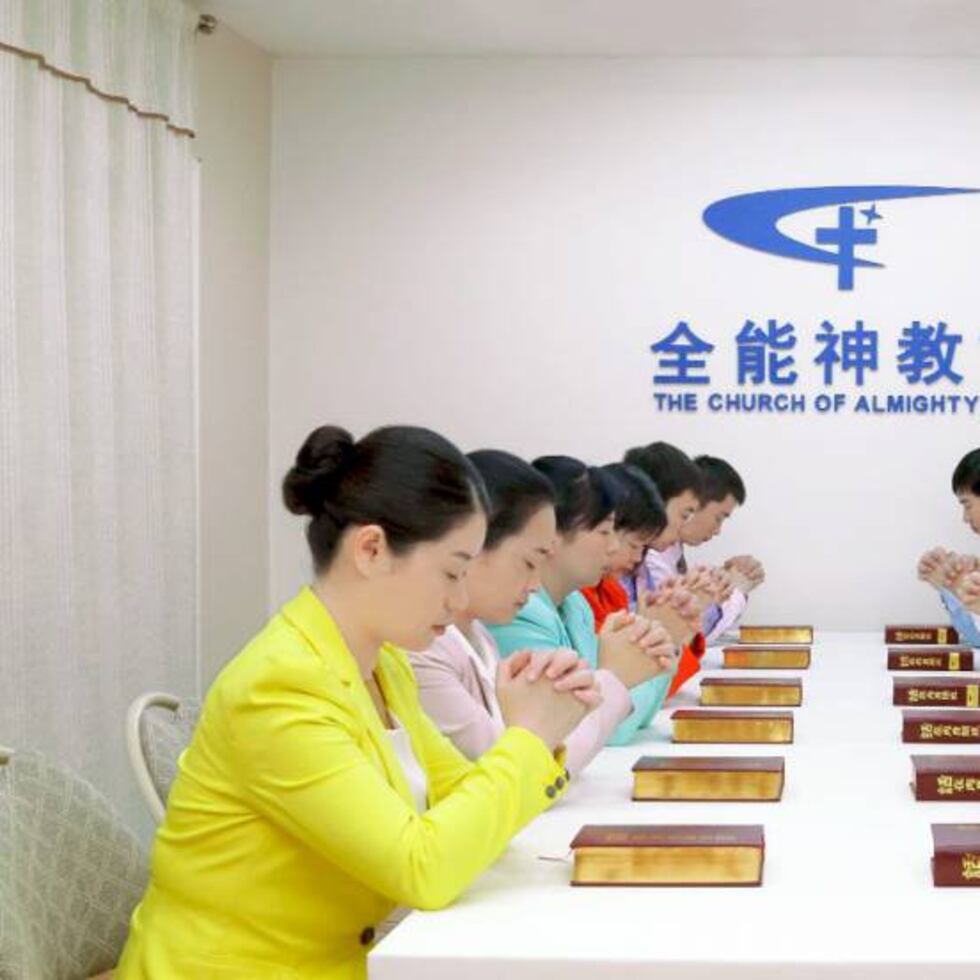
One of the applicants had attended an unofficial Christian gathering and was detained for about five months following a police raid. Another man in his 30s joined the almighty church and hid for about three years after his religious identity had been revealed. The New Zealand Immigration and Protection Tribunal, in its proceedings, emphasized that the refugee protection test was not whether the applicant could avoid risk by hiding his or her beliefs, but whether he or she would be persecuted in the normal practice of religion.
The Church of the Almighty has been on the list of “sects” by the Chinese Government since the 1990s. Article 300 of the Criminal Code of China is widely used to combat members who are considered to be “cranical organizations”, and simple participation in, or dissemination of, material or organization of a gathering may be grounds for criminal prosecution. While Beijing described the system as a fight against crime, the key issue for the Refugee Review Body was not how the Chinese Government named a religious group, but whether individuals would suffer serious rights violations because of their identity and religious activities.
Two decisions also hit a central mechanism in China’s religious control system: the State does not simply regulate places of religious activity, but rather determines which faiths are legitimate, which groups can exist, and how individuals can express their beliefs. Religious organizations excluded from the official recognition system are therefore exposed to the risk of not ad hoc enforcement of the law but the criminalization of identity itself.
In one of these cases, the Tribunal also expressly rejected the claim that “we can move to other parts of China to hide”. The reason is straightforward: when the subject of persecution is identified as a central and local State organ, so-called internal migration does not eliminate the risk. Identity cards, civil status, police databases and religious governance networks make it difficult for individuals to move from the State to another city.
The New Zealand decision does not endorse any religious doctrine or automatically endorse all statements made by the applicant. It deals with a narrower and more specific question: whether the available evidence is sufficient to demonstrate that an applicant would be at risk of persecution if returned to China on account of his religious status. It is this legal threshold that has given rise to decisions that go beyond the case at hand.
His Government had long urged countries abroad not to “internationalize” their religious, ethnic and political cases, but the refugee regime required that the host country should independently examine the State's conduct in the country of origin. Asylum cases become an external legal test of the way in which a government is governed in its own right, when its legal, police and control systems constitute a source of risk.
These two cases thus revealed the consequences of the difficulty of using the concept of “internal affairs” in Beijing: once religious control has turned the identity of belief into a criminal risk, it will follow the escapees across the border and eventually into the court records of other countries.
Article discussion
Verified members can discuss this report publicly and manage their own content.
Checking member sign-in status…