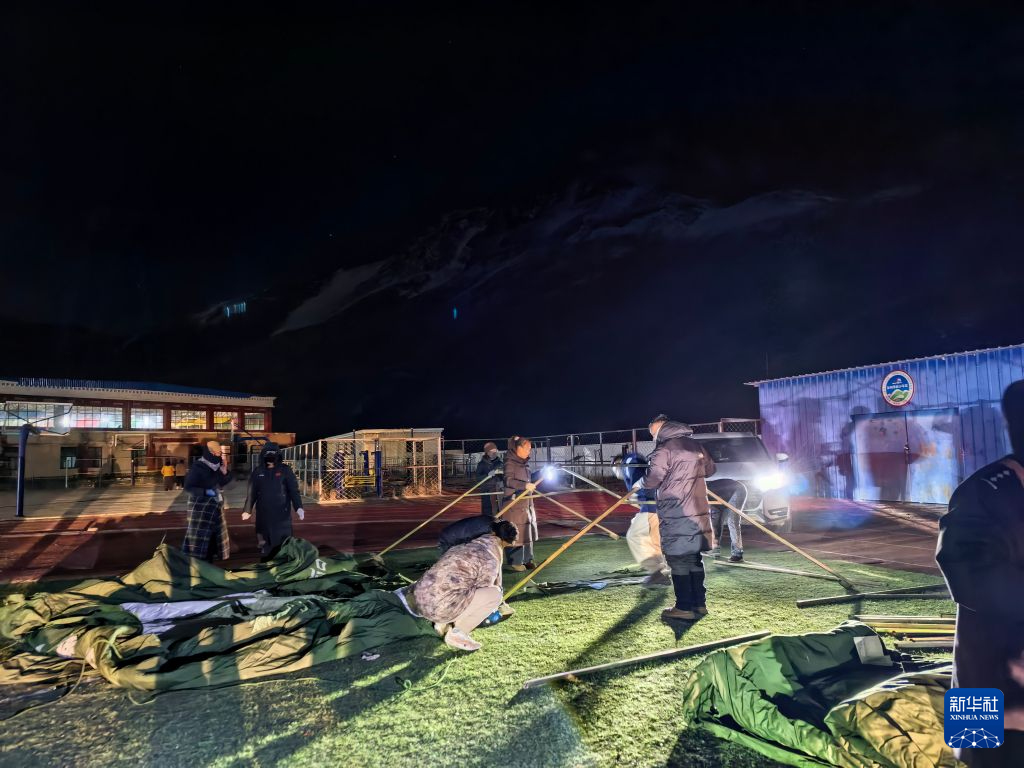
After the earthquake, tents could be set up within days, while pastoralists could not move their lives as quickly as they did. The 7th-degree earthquake of 22 October resulted in the death of 16 people, the wounding of 76 and the collapse or damage of 339 homes; By 24 days, more than 12,000 persons had been transferred to 18 settlements. In the north, housing, livestock, pastures and family life are linked, and the longest days of the disaster have only begun when SAR teams left.
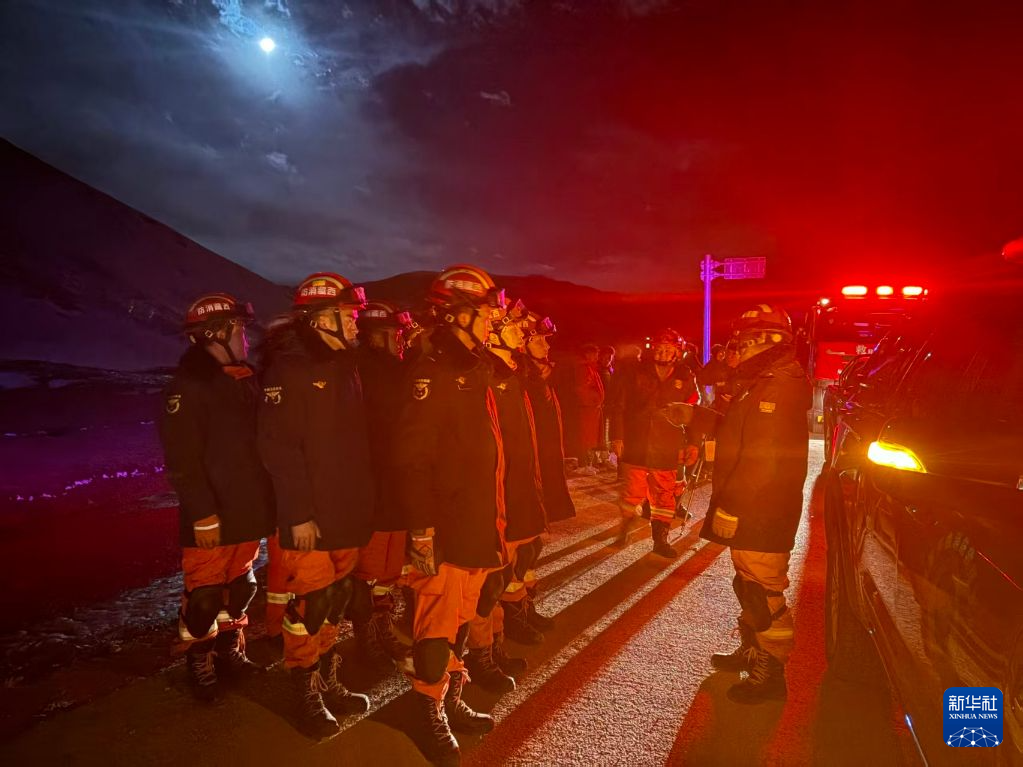
Xinhua Rescue Report, October 24th.The rescue workers have reportedly conducted three round-trip checks and no missing persons have been identified. The road-breaking sector cleared the rocky section of the 317-nation road at 3 a.m. on 23 October; Electricity was restored to 1937 families at around 10 a.m. on the same day, and all damaged communications stations in the earthquake area were restored at 10.30 a.m. Roads, electricity and communications repairs provided basic conditions for the installation of materials to the village, the referral of the wounded and the population to contact their families. The subsequent pressure is directed towards safe housing and the continued supply of settlements.
18 settlements, how to sustain everyday life in the cold
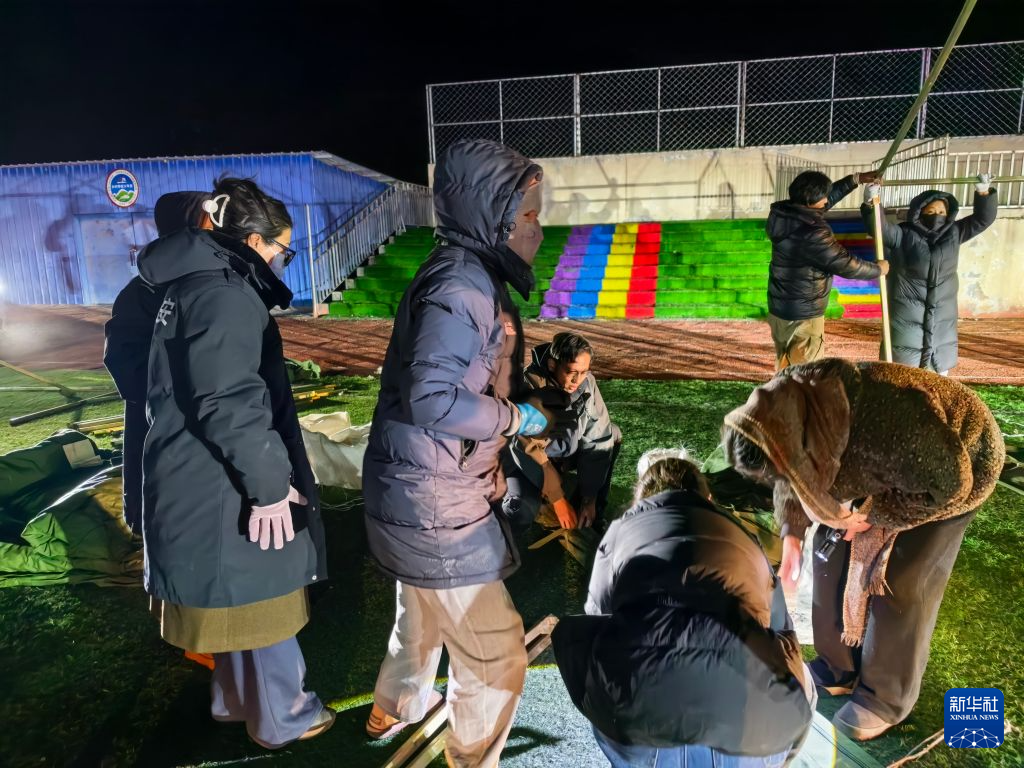
The high altitude area of the Tibetan north is cold at night, and the elderly, children and the sick are particularly dependent on the heating of tents, hot meals and medical assistance. Relief supplies are being transferred from the central and autonomous regions and from a number of departments in the municipalities and counties. The 18 settlements will continue to perform water, food, heating and basic medical tasks; Tentages, heating facilities and fuel are maintained until the population is relocated, and become a longer-term responsibility after the recovery phase.
The damage to 339 houses and the displacement of 12,489 residents reflected two different types of disaster: the destruction of homes and the temporary evacuation of people due to aftershocks, road and residential security risks. The reconstruction is based on the allocation of separate housing identification, temporary accommodation and long-term compensation, and the number of settlements is only the starting point for the next phase of the disaster.
339 damaged houses: from rescue to reconstruction
While the relief phase can rely on a rapid concentration of external forces and emergency supplies, housing security and reconstruction are determined by longer-term financial and building management mechanisms. For 339 houses that collapsed or were damaged, a distinction should be made between the construction years, the type of structure, the construction materials and the extent of the specific damage; Whether the relevant earthquake-resistant norms apply to local areas and to the technical guidance previously received for the construction of their own homes in pastoral areas is also an administrative responsibility that can be asked.
The inhabitants of the earthquake zone, represented by the villages of Zaru and Gwancheng, will face a number of specific options, including whether to return to their original sites for construction, how to place grazing routes and family livestock, how to verify the reconstruction subsidy and whether the construction team meets the criteria. If only the total amount of disaster relief inputs is published at the central and local levels, without the village-by-village housing risk assessment and the progress of the disbursement of funds, it is difficult for affected families to independently monitor long-term reconstruction.
Beyond official risk-taking figures, it's the lives of the victims and compensation
The road, communications and transfer numbers are clear in the schedule of the crash; The real solution for pastoralists is to provide for heating, food, patient care and animal care: to have a steady diet and heating every day, to whom the livestock is looked after, to whom the elderly and the patient arrange for referral and to whom the damaged house is identified. The number of relief cases can be updated on an hourly basis, but these family-related problems can last for months or even longer.
The damage caused by the earthquake will not end with the evacuation of relief teams. For the villagers who left their homes, the real recovery is to be able to re-establish their homes in safe houses, to return their children to school and to restore normal pasture production.
Villagers used to live on highland pastures, and livestock, pastures and homes were interdependent. Specific programmes are needed if the housing must be relocated, how the settlement is connected to the grazing route, whether the children need to be transferred to school, and how the family income is compensated during the period of the agricultural production standstill. The responsibility of the Government for the relief of disasters does not end with the installation of tents.
Rebuilding responsibility falls to villages: housing, heating, livestock and complaints
- Housing identification: What are the categories of damaged houses that fell, were structurally damaged or could be reinforced? Has each household received a written assessment?
- Placement and heating: who maintains the tents and heating units at 18 settlements, and how can the continuity of winter supply be assured?
- Pastoral livelihood: What are the losses in grazing access, livestock coopt, pastures and fodder supply, and can relief funds cover these livelihood bases?
- Reconstruction and appeals: How does the level of the grant determine whether the family and the village have the right to choose the place to rebuild and to whom can they complain in the event of a dispute?
Roads, electricity and communications recovery times are publicly recorded, and the identification and grant of housing also requires the same specific data. The record of how 18 settlements were maintained, how 339 damaged houses were treated after classification, and how much money actually reached the population, is relevant to the sustainability of local government after the rescue.
For families affected by disasters using Tibetan, the identification of houses, compensation agreements and relocation procedures also involve the ability to understand, understand and challenge. The translation, interpretation and receipt of complaints will have a direct impact on the ability of villagers to participate in reconstruction; The re-establishment of a family should be an important basis for examining the progress of reconstruction.
Eighteen settlements on the map correspond to the daily lives of over 10,000 people. The night in the tent will become colder, livestock will not stop feeding as a result of the earthquake, children will go to school and the elderly will still be sick. For the Baqing Pastoral Community, the recovery was never a completion schedule: the ability of villagers to participate in their own language to determine where they live and how to continue their grazing lives determines the reconstruction of whose home they retain.
Article discussion
Verified members can discuss this report publicly and manage their own content.
Checking member sign-in status…