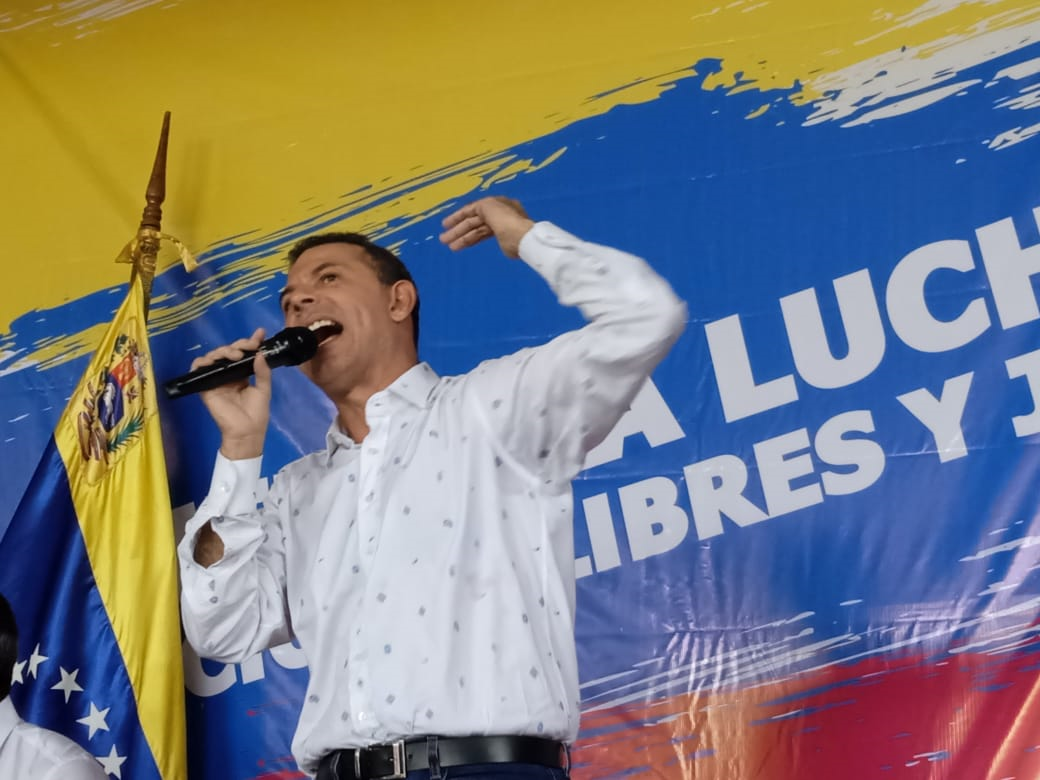
Roberto Enriques hoped that Venezuela would soon hold presidential elections. The main opposition coalition he represents, however, is not directly at the negotiating table that will determine the political transition process. This fact is even more acute than the general discussion of the “pacing of democratic transition”: those who ask the people to wait to take control of government institutions, and those who push for the restoration of voting rights cannot even participate fully in the establishment of the timetable.
As interim Executive Secretary of the Opposition Unity Platform (PUD), Enricos EFE interview October 10th. He called for more active communication with the United States to facilitate the early announcement of a fair and free presidential election agenda. He believed that the United States plan for the three-phase stabilization, recovery and transformation phase lacked a political basis without first establishing a legitimate and voter-mandated government.
This proposition is in structural conflict with the current negotiating arrangements. A delegation led by the former leader of the National Assembly in 2015, Figuela, engaged with the political bloc of interim President Deirsi Rodríguez. PUD itself is not a direct participant in the negotiations. The members of the party Justice First and the People ' s Will Party were represented, but Enrique asked the members to explain the content of the negotiations to the other parties of the coalition and to consult. Part of the delegation ' s participation does not automatically replace the democratic mandate within the Alliance.
The call by Mr. Enriques for the speedy holding of the elections does not mean that all the opposition parties have reached the same decision on the candidates and the date of the elections. Figala negotiated with the Interim Authority, Machado stressed the political mandate, and Enriques called for a clear political timetable, with three routes under different pressures. The core contradiction is not the word “fast” and “slow”, but the moment when the judicial and candidate registration rights held by government agencies are transferred to an independent process that is subject to oversight; If party leadership is still interfered with by the courts, an early ballot will not remove institutional barriers.
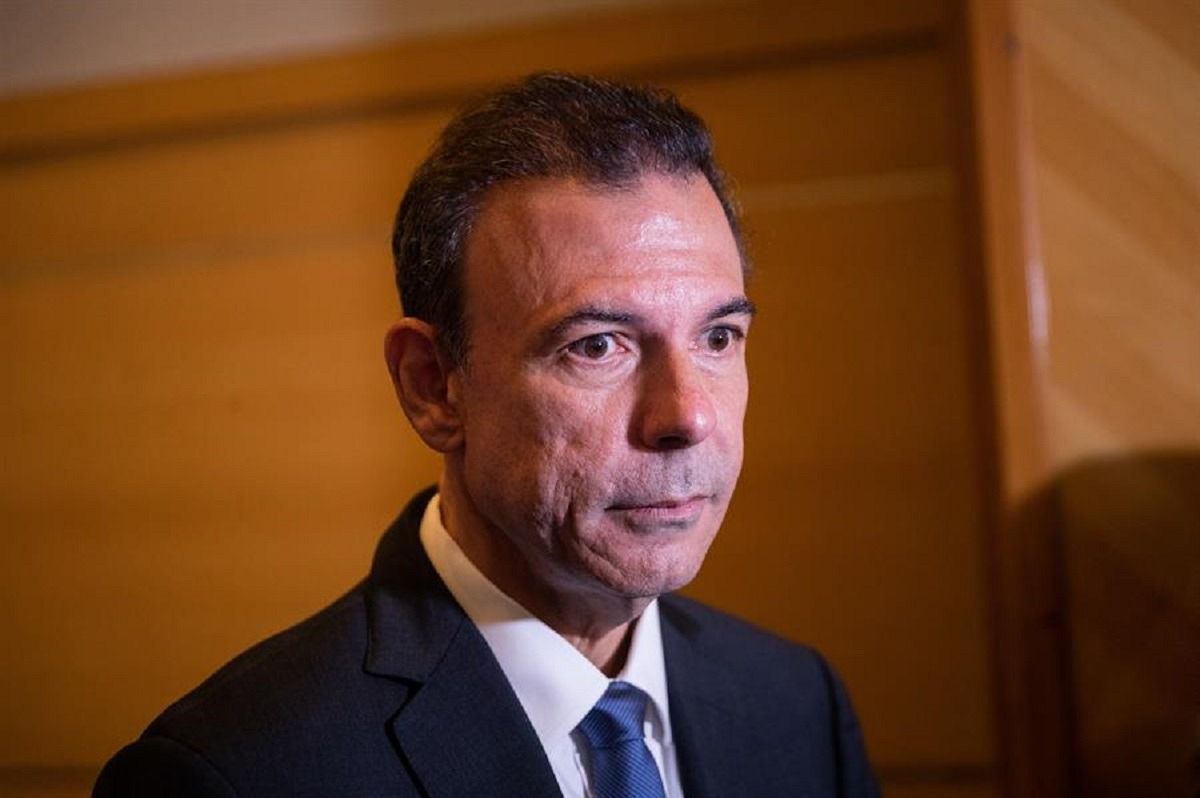
Machado was likewise not involved in the ongoing negotiations. The PUD supported her political status as a future candidate, including for her winning the 2023 internal League primaries. On 9 October 2026, Machado publicly set out the objectives for the elections to be held in July
- There is an important difference between these two timelines: Enriques called for a timetable to be established as soon as possible, and Machado clearly indicated the month in which he wished to vote. Neither of these can determine the actions of the Provisional Authority or the electoral body by a personal declaration alone.
The more representative institutional details are the organizational interventions by the Supreme Court of Venezuela against opposition parties in the past. The courts have appointed a number of political parties as replacement leaders, depriving former party organizations of control over names, emblems and internal management. The Christian Socialist Party of Enricos himself, Copei, was one of the parties that had been subjected to this intervention. If the political parties that are running for election are unable to choose their own leaders, elections, even when scheduled for a very recent date, may replicate the existing unfair competition.
This makes reform of the electoral bodies and the Supreme Court a prerequisite for a timetable, rather than administrative matters that can be slowly replaced after the conclusion of negotiations. Voter registration, diaspora voting, eligibility of political parties to stand for election, media access, transparent counting and access to complaints require enforceable rules. However, if the Government does not always publish a time frame for reform, procedural preparations may again be an excuse for delaying competition indefinitely.
The United States played a key role in the negotiations, while also having energy and economic contact with the interim Government. Enriques wanted Washington to be more active in promoting the elections, as he feared that stability without a popular mandate might become a continuation of old political structures. For the United States, short-term stability is of real value; The right to decide the next government is equally of irreplaceable value to long-restricted opposition parties and voters.
Enriques also stressed that political reconciliation cannot be equated with impunity. He argued that all prisoners of conscience must be released, and that the rights of the majority and minorities must be respected. This means that a genuine political transition cannot simply design an election, but also addresses the old rules of judicial decision to deprive political parties of their freedom and of detention to silence opponents. If these power tools continue to exist, they may be used again in the new electoral cycle.
Venezuela now needs to publish more than a date of voting, but rather a list of responsibilities for reform, from the courts, the electoral commissions and the political parties. By whom, when and on what documents the public will judge whether it is done — these issues can put the negotiating parties under specific supervision, without the need for citizens to choose blindly between slogans that support “stability” or “reform”.
Article discussion
Verified members can discuss this report publicly and manage their own content.
Checking member sign-in status…