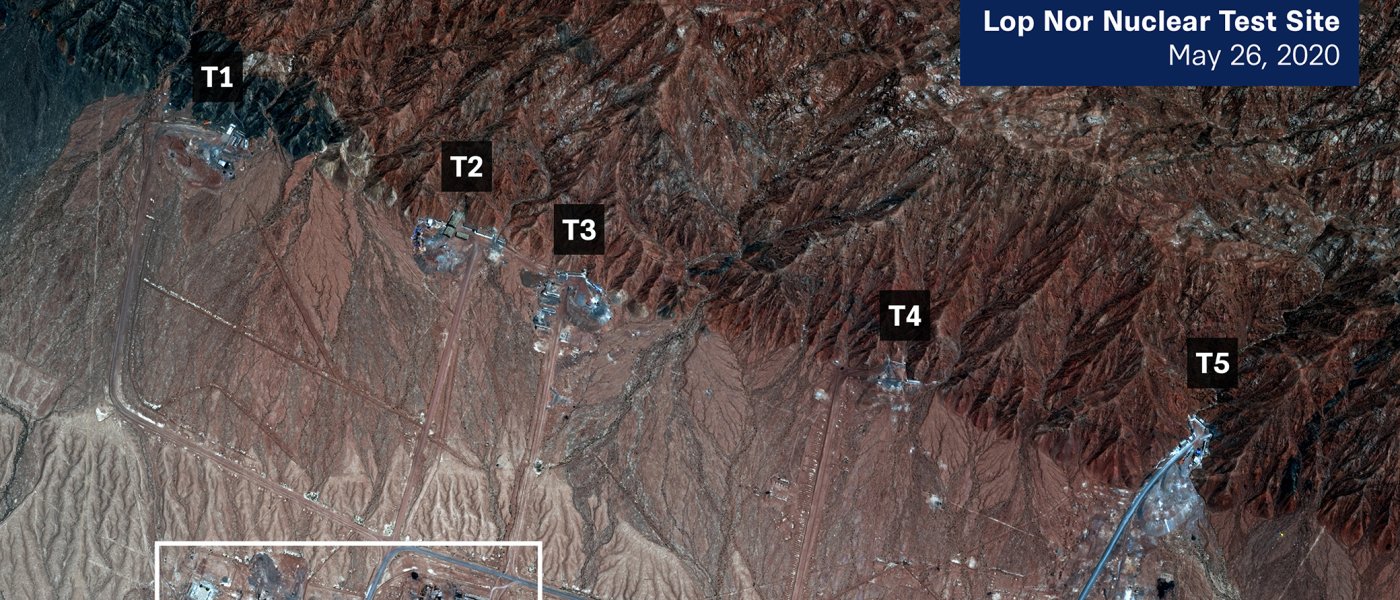
There is a rare signal in the nuclear relationship between the United States and China. On 6 October, CNN quoted informed sources that China had offered to discuss the exchange of nuclear facilities visits to the United States this year, and that the United States Government was prepared to continue this idea in the coming months. Reuters subsequently reported on this contact: the parties spoke about the national laboratory of the United States Department of Energy and its Chinese counterpart facilities, and the United States was willing to discuss the exchange of nuclear test sites.
These contacts are still in an informal and preliminary stage, mainly on the sidelines of the relevant meetings of the five permanent members of the United Nations Security Council. Reuters was unable to independently verify CNN ' s sources of information, nor was the White House and the Chinese Embassy in the United States immediately and publicly confirmed. It is thus possible to determine that the “exchange programme is being discussed” rather than that the two parties have reached a verification agreement.
Beijing first put "Let you in and watch" on the table, but it's a long way from arms control.
If finally implemented, the exchange of visits has its own practical value. Allowing personnel from the nuclear States to enter national laboratories or test facilities would create a minimum of direct observation channels and reduce the risk of relying entirely on satellites, intelligence and the introspection of the intentions of the other. Even limited visits can be a rare confidence measure in the context of rising United States-Chinese military competition and limited mechanisms for communicating the nuclear crisis.
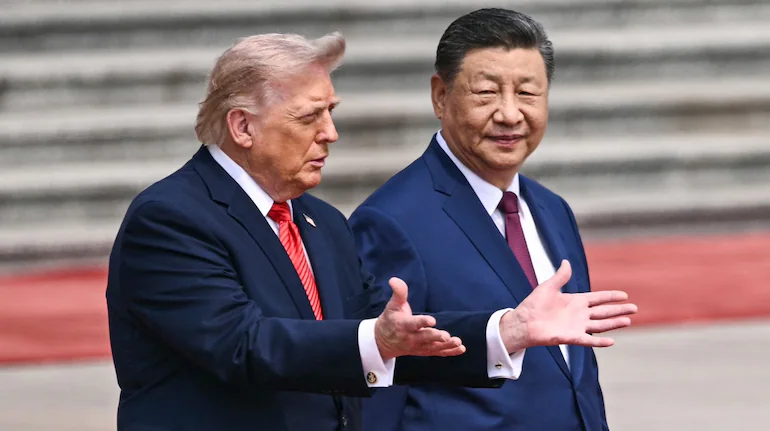
The problem is that Xi’s government, at the same time, still refuses to include the rapidly expanding Chinese nuclear forces in quantitative-limiting negotiations similar to those of the United States and Russia. The meeting between Trump and Xi in September was an open push for arms control on the three sides of the United States and Russia, but the two heads of State did not discuss the exchange of visits to nuclear facilities; Beijing, citing its long-standing nuclear arsenal as much smaller than the United States and Russia, believes that it is not at this stage a basis for negotiations on reductions of the same level.
The biggest gap in China's nuclear policy has been not a slogan, but verifiable data
Beijing has publicly upheld the principles of “no first use of nuclear weapons”, limited nuclear deterrence, but maintains a high level of confidentiality with regard to the specific information that really determines nuclear risk. The Chinese nuclear transparency project's updated file this year shows that China does not disclose the total number of nuclear warheads, their equivalent, nuclear material inventories, nor the total number of delivery vehicles with nuclear capabilities; Information on weapons-grade fissile material production is likewise not publicly available, as is information on reprocessing facilities.
This lack of transparency explains why “exchange visits” cannot be confined to diplomatic displays. The United States and other countries are concerned not with the possibility of visiting an arranged laboratory, but about the availability of facilities related to weapons programmes, the data that can be rechecked and the willingness of the other party to be subject to continuing constraints. ................................................................................................ The core issues of the threshold of art.
An exchange of invitations, combined with declarations, data exchange, repeated visits and validation mechanisms, would move from political posture to real risk control. Otherwise, it is quite possible that the parties will each open their selected facilities and will continue to hide the most important nuclear power structure in the black box of the regime.
The real answer to the CPC is: can transparency reach the parts of the room where it least wants to be disclosed
China does possess a smaller nuclear arsenal than the United States and Russia, which is also the reason why Beijing rejected the trilateral reductions most frequently used. But “smaller” is a different matter from “no need for transparency”. As China increases its missile wells, develops its sea- and space-based nuclear forces and places nuclear deterrence at the centre of the major powers’ competition, its decision-making system remains highly centralized at the highest levels of the Chinese Communist Party, with no stable data to judge deployment, alert status and future ceilings.
The round of exchange discussions was therefore welcome, but could not be packaged as a shift from Xi Jinping to nuclear transparency. The next step of real significance is to turn the tour into a verifiable system: where the parties clearly visit, where they exchange data, whether they can return, how they interpret when they discover anomalies, and whether the exchange ultimately leads to nuclear risk limits.
The most dangerous part of nuclear weapons is never a missile that can be seen in a propaganda film, but rather a threshold of intentions, numbers and decision-making that the opponent cannot confirm. If Beijing were to allow the exchange of nuclear facilities visits to be a first step towards opening those black boxes, it would reduce global risks; If only controlled access and continued rejection of key data and constraints were to be opened, it would end up as a diplomatic move, not an arms control breakthrough.
Article discussion
Verified members can discuss this report publicly and manage their own content.
Checking member sign-in status…