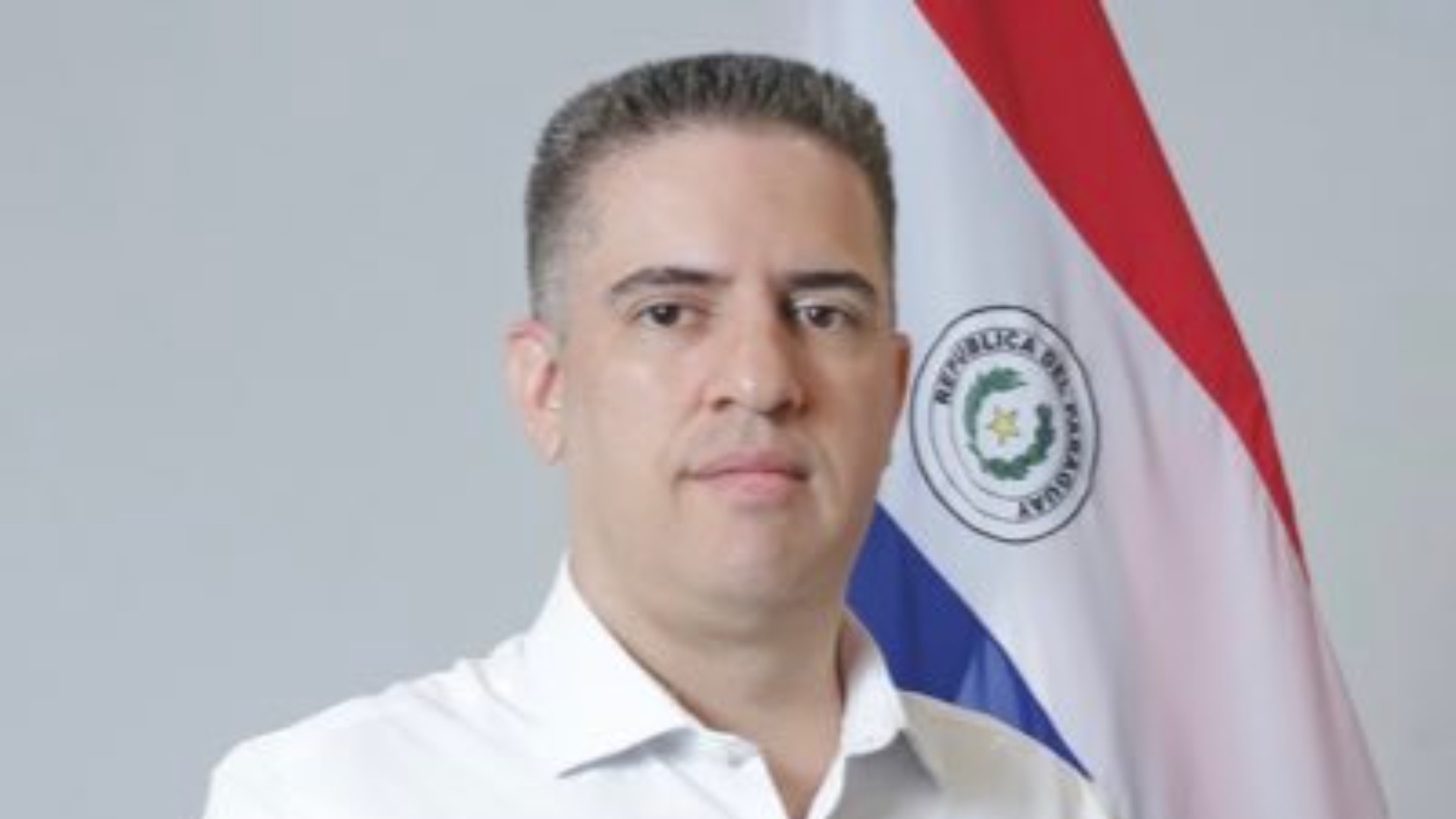
Beijing, 12 October sanctions were imposed on Gustavo Villat, Minister of Information and Communication Technology of Paraguay, and Francis Fonseca, Minister for Foreign Affairs of Belize, on the grounds that they are relevant to the Taiwan question. Two officials are prohibited from entering China, Hong Kong and Macao, and property in China may be frozen, and Chinese organizations and individuals are prohibited from entering into transactions and cooperation with them. Diplomatic discipline is passed from government statements to personal names and asset accounts; The centre of the dispute is the option of two sovereign States maintaining full diplomatic relations with Taiwan.
On the day when the sanctions were announced in Beijing, Paraguay ' s diplomatic relations with Taiwan were not terminated and Belize did not announce a change of policy. Taiwan still has 12 full-fledged states, including Paraguay and Belize. This measure is thus closer to a long-standing political pressure to increase the cost of foreign public officials ' dealings with Taiwan and to warn other officials that public support for Taiwan may have personal consequences.
原始来源 · scmp.com巴拉圭与伯利兹合作背景有关两国与台湾近期签订的外交培训和数据中心合作,可见10月12日的相关报道。scmp.com ↗原始来源 · focustaiwan.tw台湾外交部当日回应台湾外交部10月12日谴责制裁,指北京试图干预其他国家的主权与外交决定。focustaiwan.tw ↗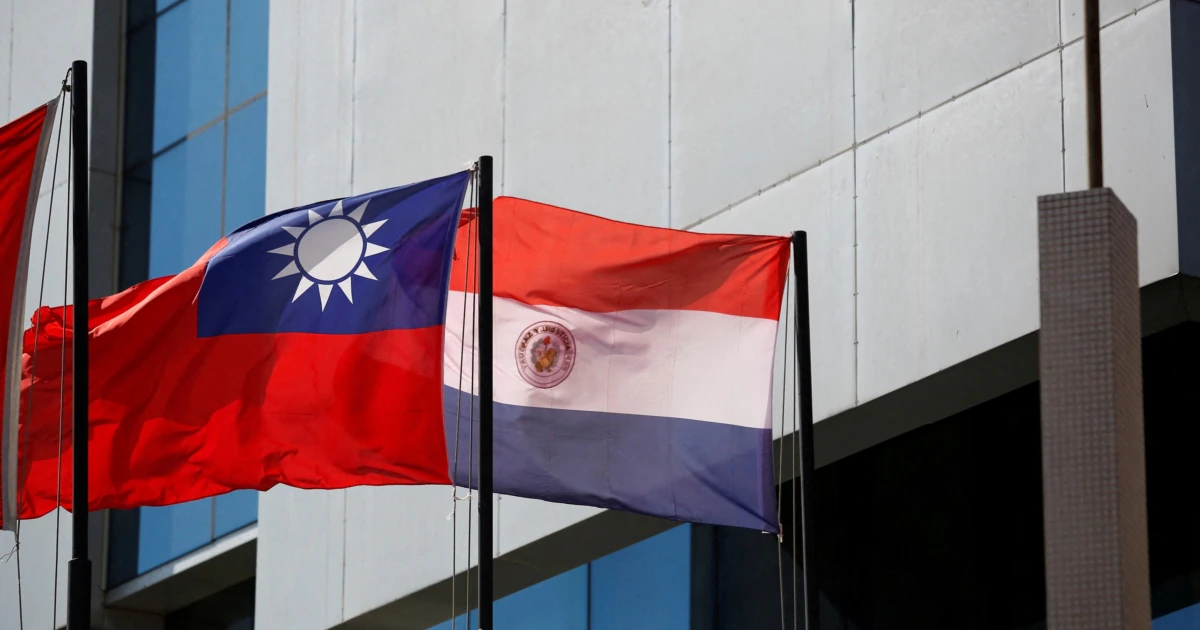
From the celebration of the country to the punishment of the individual
Factable boundary under diplomatic pressure. Beijing measures against assets, entry and transaction restrictions for two officials are at different levels. The travel ban may be imposed by administrative decision at the port; The freezing of assets requires identifiable Chinese interests; The ban on cooperation is likely to touch on technical projects and contracts. The cooperation of the Paraguayan communications authorities with Taiwan and the diplomatic activities of the Foreign Minister of Belize are not the same. The general reference to the conduct of both individuals as support for Taiwan effectively obscures the difference between diplomatic expression, technical cooperation and cyber security allegations. Reports of accountability for public decision-making must show, respectively, what Beijing charges, what sanctions cover, and what the two Governments have actually changed.
The Minister of Communications of Paraguay, Villat, publicly expressed his friendly cooperation during the national day of Taiwan, emphasizing the principles of national self-determination, human rights and democracy. Belize's presence also celebrates the anniversary of the establishment of diplomatic relations with Taiwan. Beijing, for its part, claimed that two officials were involved in supporting the so-called Taiwan separatist activities and accused the Chinese cyber attacks of being false. There are two types of issues to be distinguished: congratulations on the diplomatic nature of the interstate relationship with Taiwan, and specific cyber security allegations should be tested by technical evidence and investigative records, and the announcement of diplomatic sanctions should not automatically prove the veracity of the allegations.
The fact that Bilyat is in charge of communications and technology gives a clear and realistic extension to sanctions. Paraguay has developed data centres and technical cooperation with Taiwan in recent years, and the general diplomatic protest in Beijing against the competent minister rather than just the usual, may expose the cooperation projects to further political pressure. There is no evidence, however, that these projects have ceased to exist and that the potential consequences cannot be written into a fait accompli.
Where are the real costs of sanctions
The two ministers are not always required to visit China, and therefore the immediate effect of the ban on entry may be limited. There is another risk of spillover from the assets freeze and the trade ban: the enterprises, universities, technology projects or financial institutions associated with them may reassess their cooperation if they involve the Chinese market. However, the direct sanctions were directed at individuals, not all nationals of the two countries or all trade, and the coverage could not be overstated.
Beijing has long argued that the issue of Taiwan is an internal matter for China, while the elected Government of Taiwan rejects the claim that Beijing has jurisdiction over it. Paraguay and Belize have chosen to maintain their trade with Taiwan, reflecting both a value position and a domestic political dimension, involving aid, technology, trade and the like. China, for its part, could express its opposition, but it had forced other countries to change their diplomatic options by freezing the assets of foreign officials and restricting cooperation. It had extended diplomatic disputes to the economic and freedom of movement of individuals.
Rather than asking whether the two ministers would actually go to China, the next verifiable change would be to follow: whether Paraguay and Belize had adjusted their diplomatic arrangements, whether their technical contracts had been cancelled, and whether Beijing had extended restrictions to business and public institutions. These concrete results are more measurable than diplomatic language in terms of the true strength of sanctions.
Article discussion
Verified members can discuss this report publicly and manage their own content.
Checking member sign-in status…