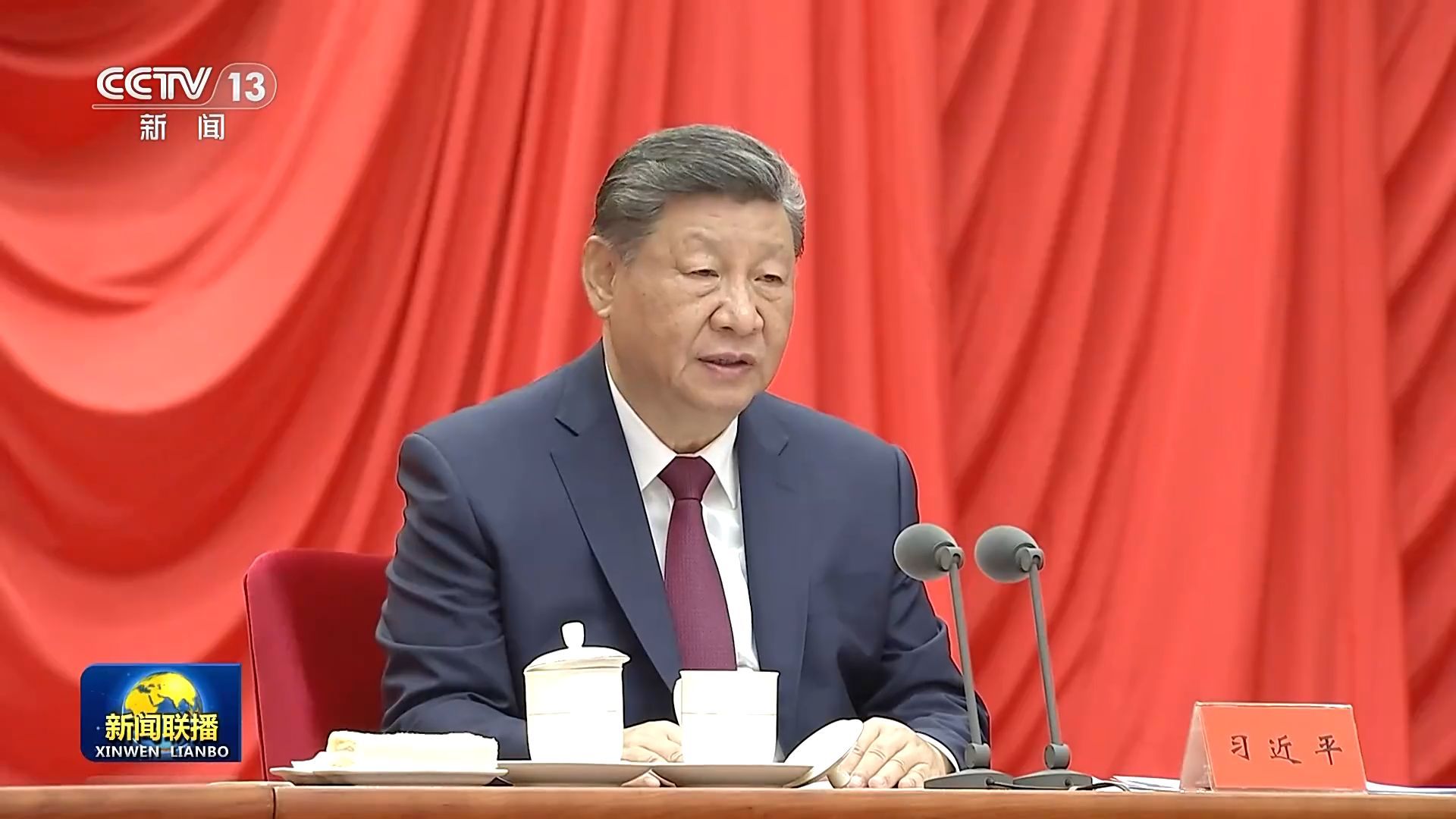
The decision of 29 October, adopted by the Fifth General Assembly of the Chinese Congress, was taken to give rise to a new power-monitoring dispute following the announcement of 1 November. The document calls for the continued development of a platform for the monitoring of the large-scale data on public power, the verification of irregularities in the family property of cadres, the regularization of the management of the business of relatives of leading cadres and the strengthening of the management of the behaviour of the network of party members. The Xi Jinping regime has elevated the so-called digital discipline to a central level of institutional tasks, and the anti-corruption authorities have been able to further include administrative clearance, property information, family business relations and personal network expression within the party ' s disciplinary oversight.
This one.Decision of the Central Committee of the Communist Party on the ongoing promotion of a comprehensive and strict approach to the issues of the Party ' s vital importance(b) To clearly state that the household property and expenditure clearly exceed normal income by checking and continuously managing the business activities of the spouses, children and spouses of cadres; Members are also required to be placed under organizational supervision online and under the Internet. The detection and prosecution of illegal financial transactions, the transmission of illegal benefits and interference in the appointment and dismissal of persons are public imperatives, but the unusual property does not automatically amount to embezzlement, and there is a boundary between the legal business of relatives and the power to rent, which must be established by specific evidence.
Data collection for 23 provincial units, digital monitoring moving from policy to operational
On 15 October, the National Monitoring Committee of the Central Disciplinary Commission (CNMC) presented a cross-cutting compilation of data on 23 provincial units, including finance, redevelopment, housing, transport, health care and rural agriculture, and a corresponding subsystem for the supervisory boards of 14 municipalities and 122 districts. Supervisors can provide a trail of verification through an anomaly model. The Central Committee also explicitly discussed in June the monitoring of data penetration, model embedding and early warning enablers, so that algorithms are embedded in the approval of payments and other administrative business processes.
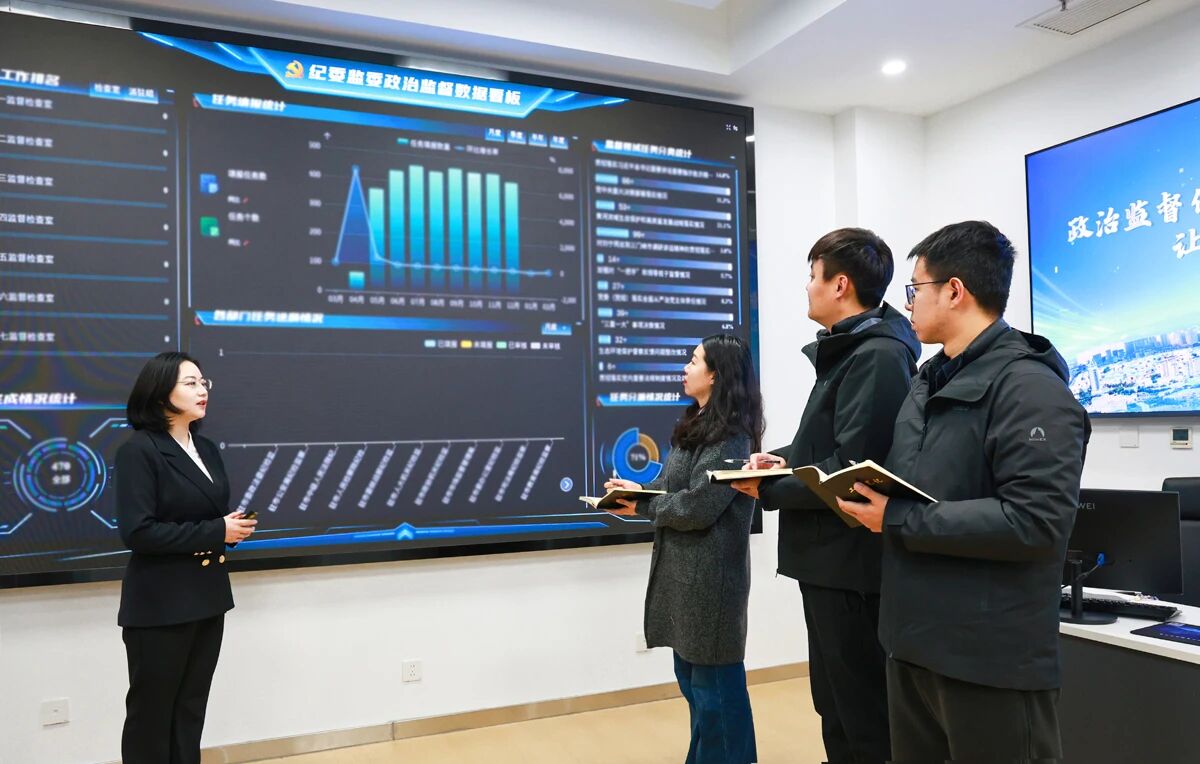
Technology can help detect financial irregularities, but it also allows data that are scattered across multiple agencies to be centrally searched. Who has access to commercial and family information, whether or not it leaves a mark, how long the data can be kept, whether a model error allows the party to correct it, and the document does not provide sufficient detail to the public. These questions relate to the investigative powers of the disciplinary authorities and to the ability of the respondents to challenge the erroneous information link.
Lack of an independent institutional demarcation between anti-corruption tracking and political control
The document placed particular emphasis on the management of party member network behaviour, indicating that disciplinary oversight was not limited to financial and functional conduct. In the highly centralized organizational system of the CPC, the expression of networks is easily classified as a political integrity review. Even if certain cadres did not violate the penal law, they could be subjected to disciplinary investigations for their statements, association and family relations. For the outside world, such investigations often lack evidence and procedural material for public scrutiny.
The combination of disciplinary review and large data by Xi has further enhanced top-down managerial capacity, but has not been accompanied by a monitoring mechanism of oversight powers independent of CCP. When investigators have more extensive data on property, networks and relationships, they lack public accountability and the risks of selective anti-corruption and political cleansing do not automatically disappear as a result of the advanced technological systems. What really should be made public is how the Disciplinary Commission uses data, how to detect and correct errors of justice, and who can independently hold disciplinary authorities accountable for abuses.
Article discussion
Verified members can discuss this report publicly and manage their own content.
Checking member sign-in status…