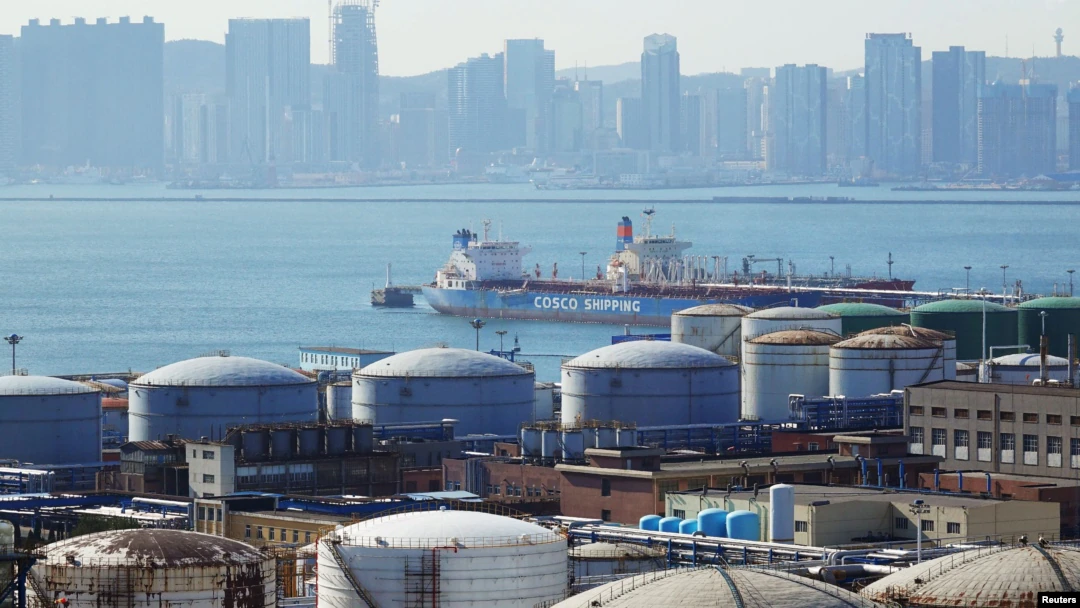
For an Asian buyer dependent on imported diesel, the most difficult variable to predict is not necessarily international oil prices, but whether Chinese refineries will be able to obtain the export permits on time for the month in question. (a) At the beginning of the national holiday on 1 October, the main Chinese refinery had not yet been provided with a green light for the regular export of finished oil to Hong Kong and markets outside Macao; On 9 October, four trade-involving traders confirmed to Reuters that Beijing had allowed the resumption of exports in October.
Industry sources claim that China approved the export of gasoline, diesel and aviation kerosene in October totalling approximately 3.7 million tons. This is a quantity that has been authorized, and does not mean that 3.7 million tons have been shipped out of port, let alone that there are unconditional supply commitments for all countries and regions. Since the Chinese regulatory authority has not yet made public a complete list of specific batches, the policy changes that importers can observe are above all “from suspension to approval” rather than goods that can be delivered immediately.
原始来源 · reuters.com路透社10月9日独家:成品油出口恢复、370万吨批准量reuters.com ↗3.7 million tons are administrative permits only, not actual shipping
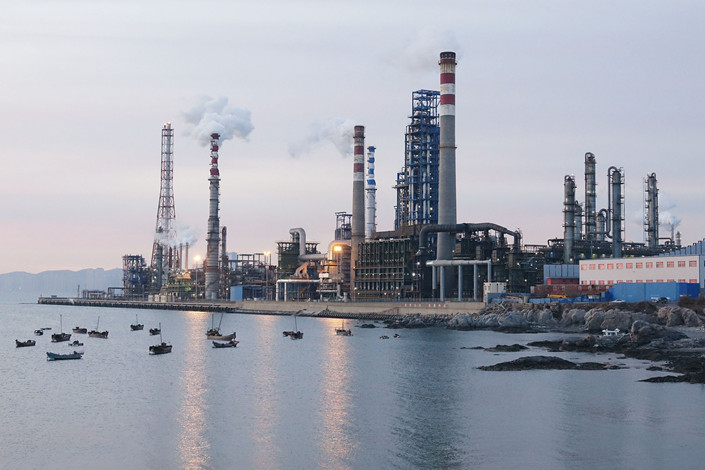
The total amount licensed in October was approximately 3.7 million tons, with the unit of statistics being the authorized export of finished oil, not the actual import of the refinery from the factory, port loading or customs of the destination country. The chain of trade is broken down at least four times: the competent authority issues a licence, the refinery confirms the export contract, the customs declaration of loading, and the importing country completes customs clearance. Even if the four nodes were located in the same month, the numbers might not be identical. Thus 3.7 million tons represent the scope of administrative clearances and are not the export performance achieved during the month.
The supply chain also faces two independent constraints: whether refineries have enough diesel or aviation kerosene to export, and whether Asian importing countries can arrange shipping and stockpiles when they are informed of the permit. (b) Enterprises do not necessarily run out of their current monthly quotas if domestic consumption rebounds or export profits are reduced by changes in oil prices; Instead, the goods may be scheduled for delivery in the following month. The actual tonnage, destinations and oil categories of shipments disclosed by Chinese Customs on a monthly basis, as well as the current price differentials in Singapore, will directly reflect the impact of the Beijing export licensing policy on regional energy markets.
The suspension at the beginning of October allowed the market to see executive powers beyond quotas
China has long regulated the volume of domestic refineries sold abroad through export quotas for finished oil. Both state-owned and large independent refineries are subject to licensing arrangements, while the final export volume of customs is determined by actual shipment. However, after the war in the Middle East disrupted the flow of crude oil, Beijing tightened oil exports in March, gradually eased from July to September and became a more intensive monthly release system in October.
This change has had the most direct impact on two types of benefits: on the one hand, Beijing wants to give priority to the domestic supply of diesel fuel; On the other hand, refineries could have earned profits from exports in the face of domestic and external price differentials. The shift from longer-term cyclical levels to a greater emphasis on approval in the month means that the Government can almost once a month re-select which party to meet.
Reuters reported on 24 September that Chinese petrol and diesel stocks had fallen to low levels for many years, respectively, and the market was concerned that exports would again be tightened after the Fourth of July. Stock pressure is the real policy context, but it is not sufficient to demonstrate that each approval delay was due to a lack of fuel in a specific warehouse. Data, regulatory reasons and business transaction results need to be distinguished.
3.7 million tons of information on why Singapore, Australia and Indonesia are being influenced
原始来源 · reuters.com路透社9月24日:国内燃油库存低位与政策风险reuters.com ↗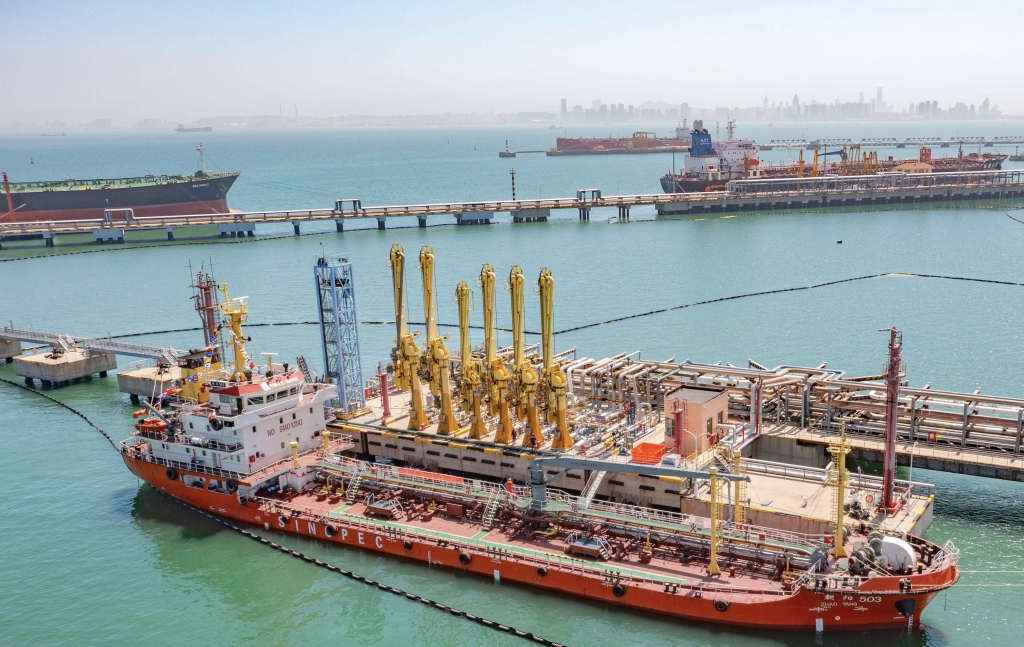
Asian fuel trade is based on a schedule of transnational refineries, transport, storage and replenishment. China is one of the important exporters of diesel fuel and of sea coal, but not the only source. Korea, India and Middle East refineries also supply to regional markets. The diesel market was particularly strained after the war caused the loss of capacity in some refineries and maritime transport; At this point, China ' s monthly licensing changes are easily factored into the shipping price and procurement risk by traders.
Reuters indicated that China was expected to export more than 4 million tons of related manufactured oil in September and to obtain approximately 3.7 million tons in bulk in October, which was below this reference scale. In August, Chinese oil exports rose to about 4.6 million tons at a time. The cumulative total of related exports from January to August was about 19 million tons, a decrease of about 21 per cent over the same period. These numbers are not identical to the statistical phase, so it is not possible to reduce by only 3.7 million to 4.6 million, directly claiming that China “reduced by how much real delivery”.
For refineries, a one-month delay in approval also means that stocks, ship life and cash flow may be under pressure at the same time. For overseas buyers, the restoration of permits helped to ease expectations, but it was not possible to fill the full supply gap left by the Middle East conflict immediately. Markets need to focus not only on how much they can export, but also on when and where goods are loaded, and whether third-party price data reflect an increase in supply.
Domestic security versus foreign exchange earnings, by whom
China has one of the largest global systems of refining industries and is also the world ' s leading importer of crude oil. The larger the volume, the easier the temporary adjustment of government export plans to transmit domestic energy security judgements to external markets. Such influence does not necessarily require the declaration of sanctions or diplomatic threats: as long as the approval tempo changes significantly, trading partners must find alternative sources, increase stocks or suffer from higher procurement uncertainties.
This does not automatically mean that China intends to manipulate other countries with fuel exports. More evidence in support of this report is that domestic stock strains and the shortage of oil in the Middle East constitute a double background, with regulators choosing to review the management of refinery exports on a monthly basis. The most interesting questions at this point are how export credits are distributed among refineries, whether the approval criteria are open, whether there are differences in treatment between State-owned and private enterprises, and whether such national discretion can be subject to timely and complete statistical testing by outsiders.
This week, the International Energy Agency decided to accelerate the release of oil reserves and to prioritize the management of diesel fuel supply pressures. Energy supply safeguards were in place during times of crisis, and Beijing was not the only Government to adjust fuel flows. The difference is that transparency in China’s domestic energy regulation and the impact of external markets must be measured simultaneously: A paper-based export licence is about the ability of domestic drivers to refuel and when foreign ports will receive cargo ships.
原始来源 · reuters.com路透社能源观察:印度炼厂或填补亚洲供应缺口reuters.com ↗Real recovery, to be accepted on port and customs books
As of 9 October, it was possible to confirm that four trade sources had revealed a recovery in exports and that two industry sources had given an approval scale of approximately 3.7 million tons; The State Commission for Development and Reform and the Ministry of Commerce of China have not yet provided a detailed and public explanation of the Reuters-related queries. Subsequent physical loading and customs export data will tell the market how large this “reopening” is.
原始来源 · reuters.comVortexa运输数据:中东石油及成品油供应修复程度reuters.com ↗The ability of Chinese refineries to sell their products ultimately depends on whether Beijing is released that month, and overseas buyers must arrange their stocks and voyages around administrative decisions rather than purely price signals. Such a system gives Governments the space to quickly secure and allows regulatory decisions to bear the costs of volatility in cross-border markets. The larger the energy volume in China, the less transparent the basis for approval, the harder it is to predict the storage and procurement costs of neighbouring countries to avoid the loss of goods.
Article discussion
Verified members can discuss this report publicly and manage their own content.
Checking member sign-in status…