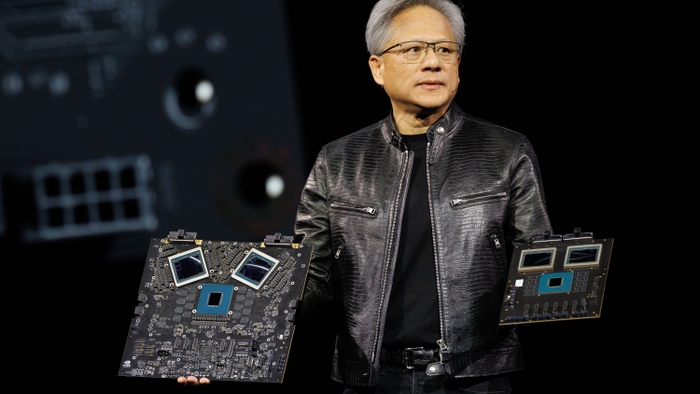
The Chinese Communist Party's National Security Department was directed to conduct intelligence operations against the United States artificial intelligence chip giant, the British National Security Agency. US intelligence agencies reportedly found that the Chinese trader Alice Huang was recruited by the CCP Department of Security, approached Hwang In-hoon, Chief Executive Officer of British Weida through commercial relations, and sought to obtain advanced artificial intelligence chip intelligence and could influence United States export policies on the Chinese chip. The incident has triggered the formal involvement of three United States Congress committees.
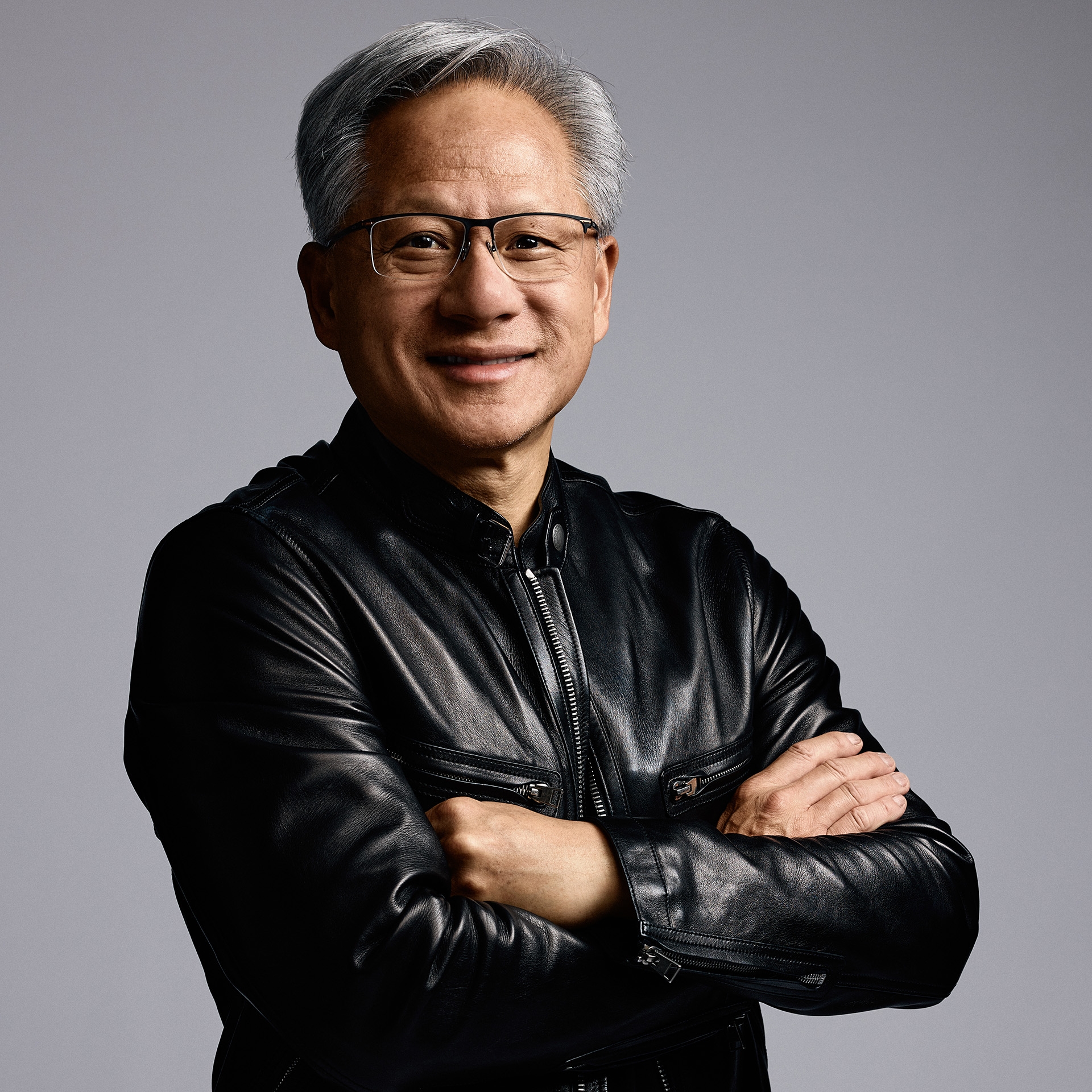
US intelligence has determined that Huang Lok is linked to the Ministry of Security of the CCP
The New York Times disclosed on 6 November that United States intelligence services had monitored Huang Lok for at least one year and had submitted an intelligence memorandum to senior officials of the Trump administration, stating that Huang Lok had links with the Chinese Ministry of National Security. This operation, which is suspected of being organized by the CCP intelligence services, is aimed not only at advanced technology in Weida, but may also include the export decisions of the United States Government.
原始来源 · japantimes.co.jp《纽约时报》调查:《日本时报》刊载japantimes.co.jp ↗Associated enterprises involved in large chip trade surveys
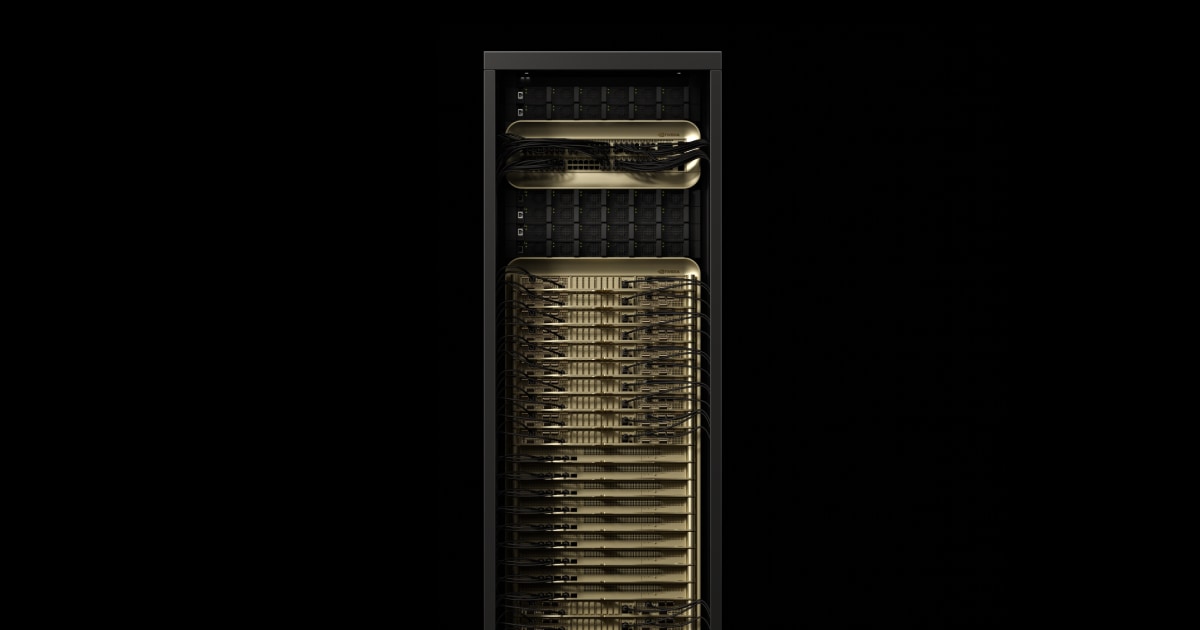
Huang Lok served as senior director of the Singapore Cloud Calculator Enterprise Megasseed. The company, a customer of British Weeda Chip, and its Malaysian affiliates purchased at least $4.8 billion of AI-based equipment between June 2024 and February
- The United States authorities are investigating whether the company is suspected of having illegally transferred restricted chips to China through South-East Asia.
This business network has made events more sensitive. The CCP has long placed artificial intelligence and advanced semiconductors among its strategic development priorities, while the United States has restricted China ' s access to some high-performance chips through export controls. If Huang Lok's intelligence identity is confirmed, his activities involve the use of transnational trade in science and technology and high-level business relations to obtain technical information for the Communist Party and to influence United States restrictive measures.
Three committees of the United States Congress intervened in the investigation
On 4 November, the United States House of Representatives Foreign Affairs Committee, the United States-China Special Commission on Strategic Competition and the three Chairmen of the Intelligence Committee sent a joint letter to Hoang In-hoon, arranging for a closed briefing on 18 November to investigate his contacts with Huang Lok and the security mechanisms of the British Department to prevent infiltration by foreign spies.

The United States Congress has explicitly prioritized China ' s penetration and access to cutting-edge technology in the United States. This means that the incident has risen from a private communication dispute between business executives to a parliamentary investigation involving CCP intelligence activities, artificial intelligence technology security and national strategic interests.
原始来源 · reuters.com路透社:国会介入英伟达间谍疑云reuters.com ↗The Trump Government has previously received information
Of even greater concern is the fact that according to The New York Times, Trump had previously been informed of the information but had not taken further action and that Hoang In-hoon had not received defensive warnings from intelligence services. The way the United States Government handled it, thus becoming another important issue of responsibility in the event.
原始来源 · ft.com《金融时报》相关报道ft.com ↗Young Weida stated that Hoang and Huang Lok were in regular contact with their clients and that the company did not provide sensitive confidentiality to the relevant clients. On the Chinese side, the allegations of espionage were denied.
The central risk revealed by the events in In-hoon is the alleged conversion of the CCP intelligence services into a channel of information close to United States strategic technology enterprises. Advanced chips are both commercial products and an important strategic resource for artificial intelligent competition. This intervention by the United States Congress has demonstrated that the risk of the CCP conducting technical intelligence activities through commercial networks has entered the core of United States national security oversight.
Article discussion
Verified members can discuss this report publicly and manage their own content.
Checking member sign-in status…