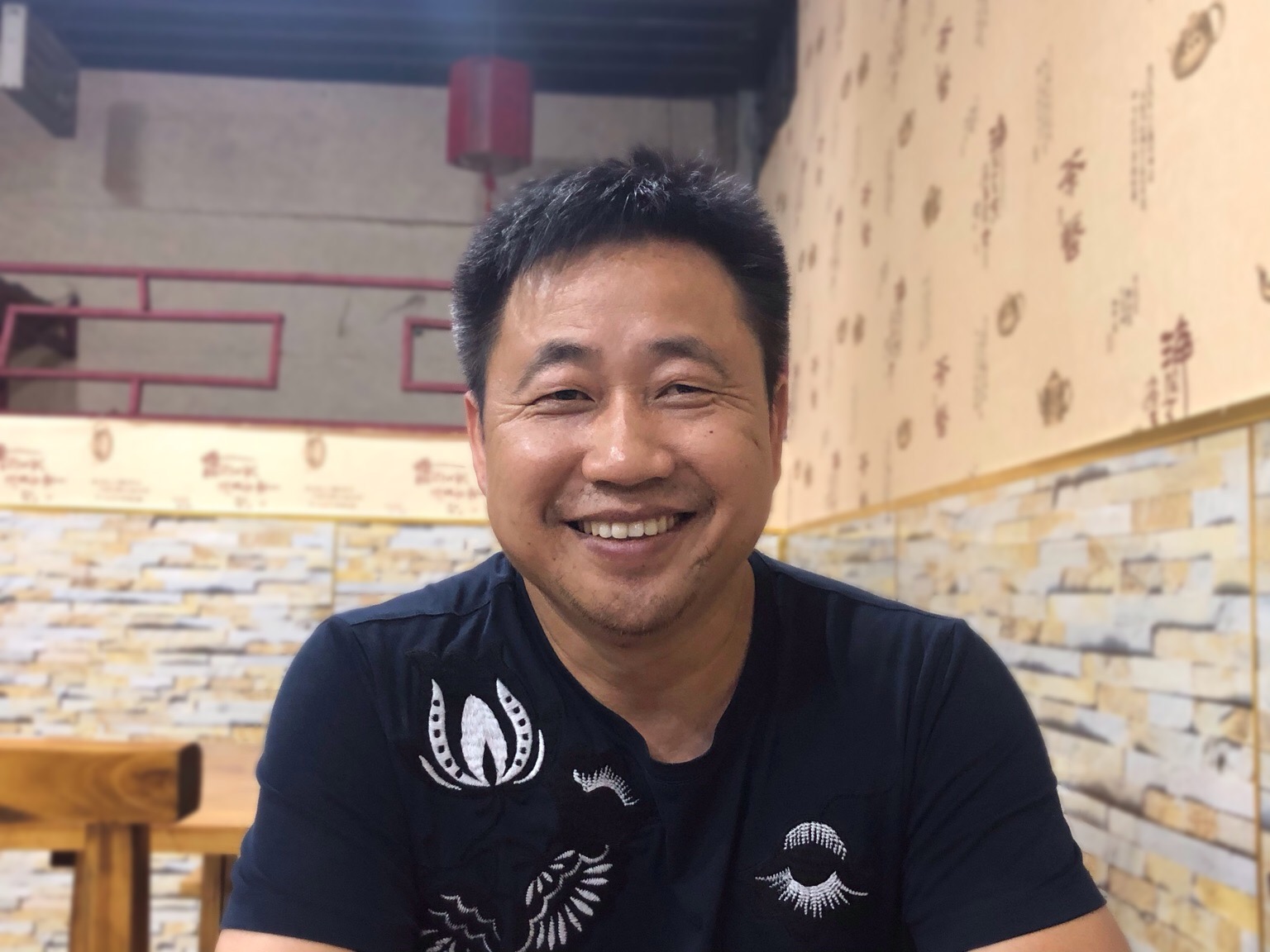
Sheyang was finally sentenced to five years ' imprisonment, but the court had sentenced him to more than four years ' imprisonment before sentencing him. On 23 March 2026, the Hunan Changsha City Intermediate People's Court sentenced the defence lawyer to five years' imprisonment and the confiscation of 100,000 yuan in property for “incitement to overthrow the State's power”. The case materials published by HRW and Lawyers Rights show that it is not the five-year sentence that is most worth looking at, but rather how to consume a person ' s freedom before conviction, by way of repeated prolonged detention, isolation of the defence, etc.
Sheyang began her practice in 2011 and has participated in religious freedom, land disputes and cases of defenders. (a) The arrest of “709” lawyers in 2015 involved him in a dispute over secret detention and torture; After his release in 2017, he did not abandon his defence of the parties in sensitive cases. In January 2022, he was again detained after having intervened in a case of a teacher who had been forced to be placed in a psychiatric institution for criticizing educational censorship.
Long prison terms before a trial
(a) Sheyang ' s ex-wife, Chen Guiqiu, disclosed to human rights organizations that his detention had been extended up to 13 times, lasting over four years; Defence counsel were not able to participate regularly in key proceedings. The October 2025 hearing was held in camera and the family was informed afterwards. The Changsha Court allegedly included some of Sheoyang ' s statements on Twitter as the basis for the conviction. The joint statement of the International Bar Organization also raised the issues of obstruction of meetings, difficulties in obtaining files and ill-treatment in custody.
原始来源 · lrwc.org律师权利观察:谢阳案联合声明lrwc.org ↗The problem is not simply “procedural defects”. If the criminal trial first deprives the accused of the opportunity to communicate effectively with counsel and then bases his or her statements on the crime, the proceedings become part of the outcome of the decision. The waiting period for court hearings is also a punishment in itself for human rights lawyers who publicly criticize local law enforcement. Even if the sentence were to be taken into account in the later period of imprisonment, the four years of lost liberty, professional and family life would not be re-emerged.
The Chinese Criminal Procedure Code would have required the right to a defence, the public hearing and the duration of the trial. The key to prolonged detention and the challenge of closed trials is that the body that exercises judicial power can decide at the same time the extent to which information is circulated. Who can listen, when counsel sees the material, and when the family knows about the hearing is not a small section on the periphery of the case, but a direct decision on whether the public has the opportunity to judge how a judgement is to be rendered.
原始来源 · ccbe.eu律师组织针对谢阳案的联合声明原文ccbe.eu ↗According to Human Rights Watch, after taking into account previous detention, Sheyang is expected to complete his sentence in January
- In a political system that emphasizes the rule of law, his experience shows that the sentence given by the judgement does not amount to a sufficient limitation of the judicial power. The four years that have elapsed since the day a person leaves the institution can be included in the timetable but cannot be returned in any procedural language.
Article discussion
Verified members can discuss this report publicly and manage their own content.
Checking member sign-in status…