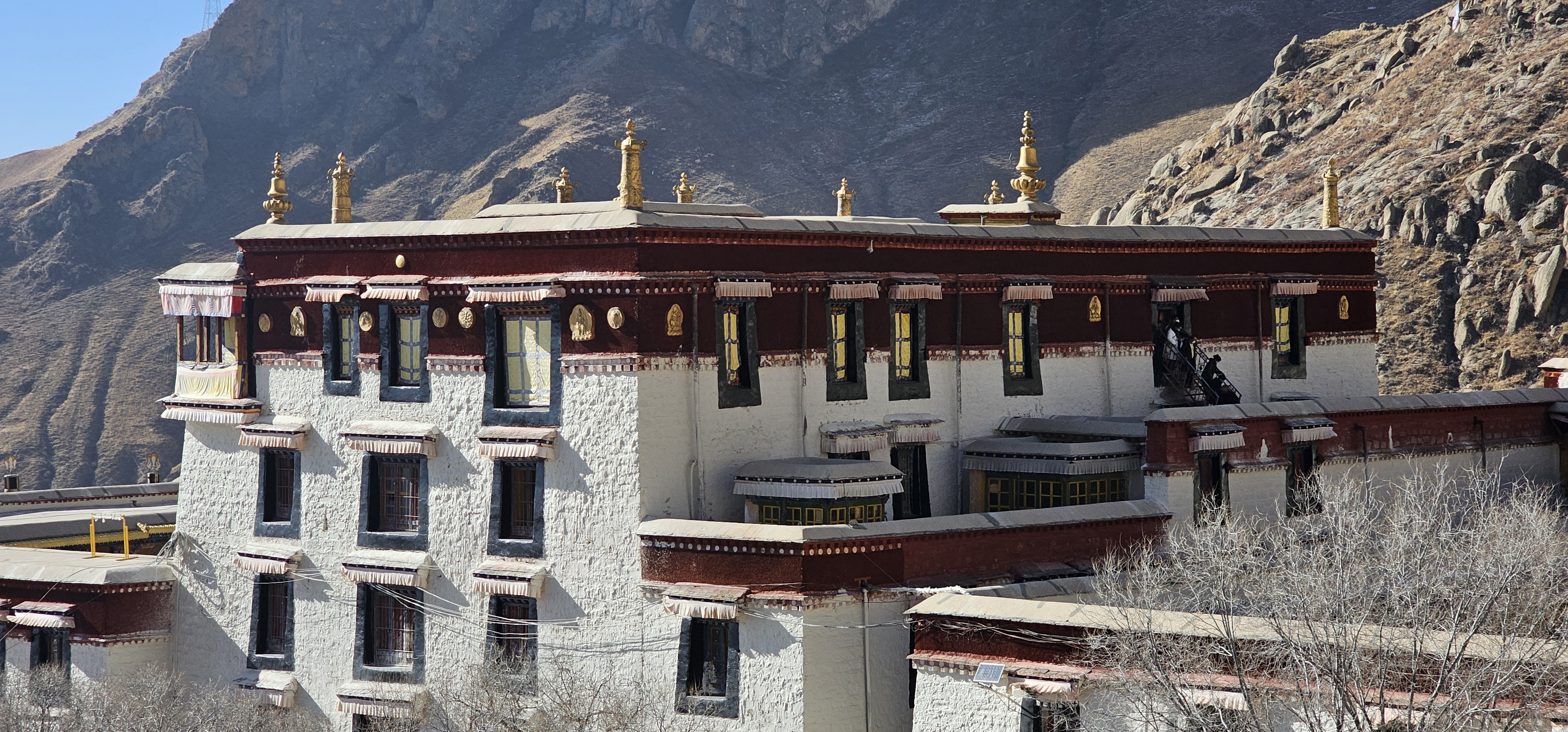
On 1 July, Zhang Yi, a Hubei Vuhan, and his brother entered the La Sala Temple. Following the family history of Amnesty International, Zhang wished to borrow a mat from a Tibetan religious community, which was unable to communicate in language, and he then showed a picture of the Dalai Lama with his mobile phone. Shortly thereafter, he was taken away by the police.
This almost non-verbal exchange has turned into a criminal case involving national security. Amnesty International stated that two plainclothes men had observed the brothers and appeared to have left a video recording. (b) The family received a criminal detention notice from the Lhasa public security authorities in July; On 28 July, Zhang Yi was formally arrested on suspicion of “incitement to secession”. In early August, family members abroad were informed of his arrest and were able to gain a better understanding of his situation.
原始来源 · amnesty.org国际特赦组织:张毅在色拉寺被拘案amnesty.org ↗Zhang Yi is not a tourist who has just begun to express political views. Amnesty International described his involvement in the 1989 Democratic Movement and his continued attention to human rights issues since then, as well as his own disability and health difficulties. These contexts do not alter the basic requirement of accountability of law enforcement agencies for specific acts: what has been demonstrated, what has been said, what actions have been organized to qualify peaceful religious exchanges as “incitement to division”? The cases that have been made public to date point to a photograph of religious leaders on the mobile screen.
On the same day, a new law on ethnic governance was introduced. On 1 July 2026, the Law on the Promotion of Progress of National Unity entered into force. It emphasizes the unity of national identity; Amnesty International noted that its broad provisions could further reduce the space for linguistic, religious and cultural expression. The fact that Zhang Yi ' s arrest date does not allow for the assertion that the police are acting under the new law, but the overlap of time indicates that religious symbols and political loyalty are already being examined in the same highly sensitive environment of governance.
The Amnesty International emergency action document issued in October continued to focus on Zhang Yi and highlighted the health risks in his detention. (b) Religious worshippers see a picture that should be a mere exchange of information between ordinary people; The police have dealt with the scene with suspicion of dividing the country. It is even more alarming that the security services can include private expression, free of violence and open mobilization, in political crime investigations, so that everyone can be informed about the restricted areas before opening up and even showing up their mobile phones.
原始来源 · amnesty.org国际特赦组织2026年10月紧急行动文件amnesty.org ↗The Rasasala Temple is a place of religious study and of religious contacts from ancient times. The case of Zhang Yi revealed precisely that when political loyalty enters religious space, a photograph can also change a person ' s freedom and family life.
Article discussion
Verified members can discuss this report publicly and manage their own content.
Checking member sign-in status…