More than 1 billion euros a day.
This is the figure that the EU is now using to measure trade imbalances against China.
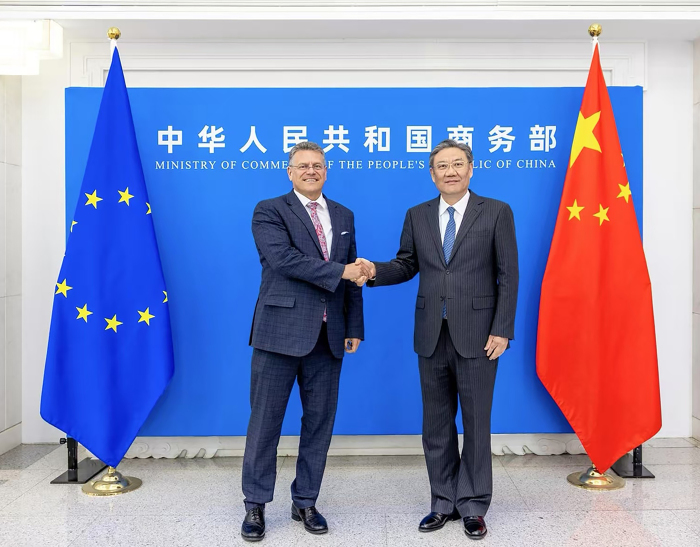
On 7 October, the EU Trade Commission, Marosh Ševčović, met with the Minister of Commerce of China, Wang Wentao, in Beijing. The European side called on China to take concrete measures to improve market access for European enterprises and to reduce the widening trade deficit. For the EU, this is no longer just a “trade friction”, but rather a political tipping point for industrial policy.
原始来源 · reuters.comEU seeks to cut trade deficit with China in talks with Beijingreuters.com ↗Figures are too big to continue to be considered normal fluctuations
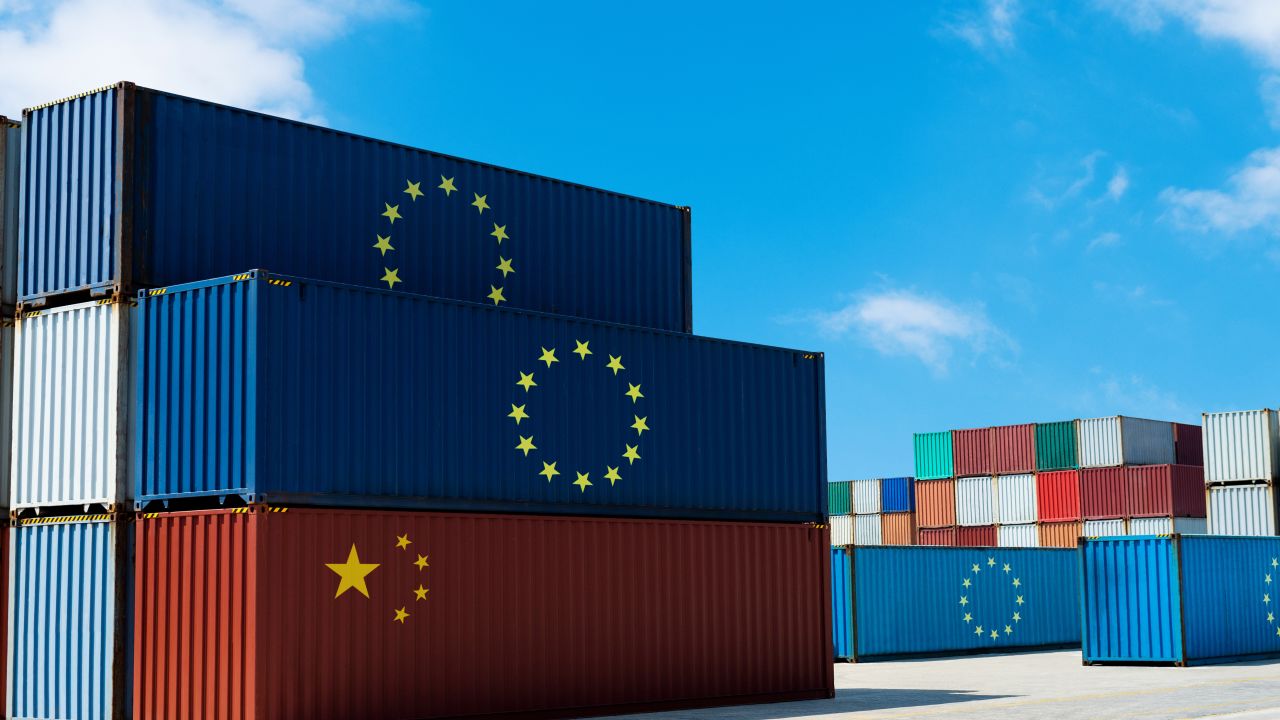
In 2025, the EU trade deficit against China was about €360 billion, or an average of €1 billion per day. After 2026, the gap continues to widen.
The problem is not just that Europe has bought more Chinese commodities, but that the structure is deteriorating: the import of automobiles, machinery, textiles, basic metals, and chemical products has increased significantly, while the market share of European enterprises in China has continued to decline.
The President of the European Commission, von DeLean, referred to this situation as close to a “crisis point”. Europe is not worried about the competitiveness of Chinese firms per se, but about China’s weak domestic demand, industrial subsidies and large capacity to drive exports together, and to shift economic imbalances within China abroad.
Beijing wants Europe to remain open, while Europe is beginning to demand that Beijing change its structure first
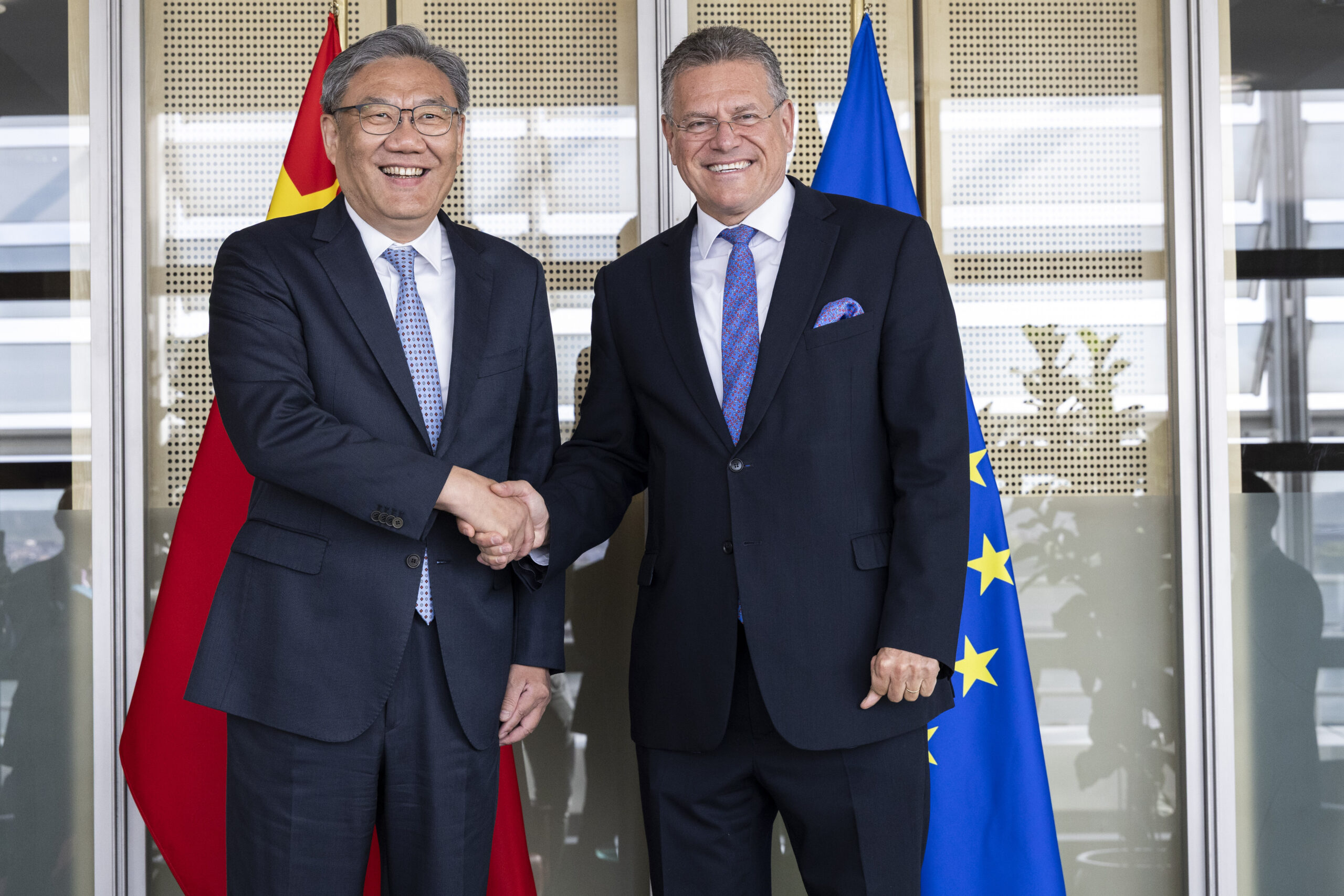
The core of Šešević's visit to Kyoto was not to ask for a “strength of cooperation”, but to quantify results.
Among the tools being discussed by the EU were trade relief, import restrictions, risk of the removal of key raw materials and the requirement for China to improve government procurement and market access. The European side even suggested that China could impose self-restraint on some exports in order to reduce trade shocks.
Beijing, for its part, described these demands as protectionism and stressed that the issue of Europe ' s own competitiveness could not be blamed on China.
The key to this debate is that the definition of “normal competition” has changed from one side to the other.
For Beijing, size, complete supply chain and export capacity are advantages; For Europe, if these advantages are based on national credit, local subsidies, unequal market access and domestic excess capacity, they are no longer just business competition.
Electric cars are only the most visible layer
After the imposition of tariffs on Chinese electric vehicles in Europe, the number of China’s plugged hybrids entering Europe has grown rapidly. The EU is concerned that if policies block only one product category, industry will quickly find another route.
This “back-to-back” has led to a gradual shift in EU trade policy from a single-product survey to a more comprehensive Chinese industry model.
Chemical, steel, machinery, photovoltaic, batteries, cars
- The same question is starting to be asked by a growing number of industries: why should the production capacity in China not be absorbed by the closure of European factories?
Xi Jinping economic model is transforming internal imbalances into external political conflict
China ' s economy has long been dependent on investment and expansion of manufacturing. After the decline in real estate and the under-consumption of the population, Beijing did not fundamentally shift to increasing household income and consumption, but continued to emphasize advanced manufacturing and export competitiveness.
As a result, domestic price wars are increasing and enterprises are constantly seeking markets abroad to maintain their production.
This is the structural pressure that Europe is now facing.
The trade deficit exceeds 1 billion euros per day, but is only the result of the final results in customs statistics. The deeper problem is that Xi ' s economic policies in the near future still see productive capacity as a national force, while shifting the costs of inadequate demand and excess capacity to global markets.
The European Union had requested in Beijing that, rather than a new purchase order, the Chinese economy itself should adjust.
If Beijing continues to reject, the key word for the next phase of Central European relations will not be “cooperation”, but will increasingly be translated into: tariffs, quotas, investigations and defence.
Article discussion
Verified members can discuss this report publicly and manage their own content.
Checking member sign-in status…