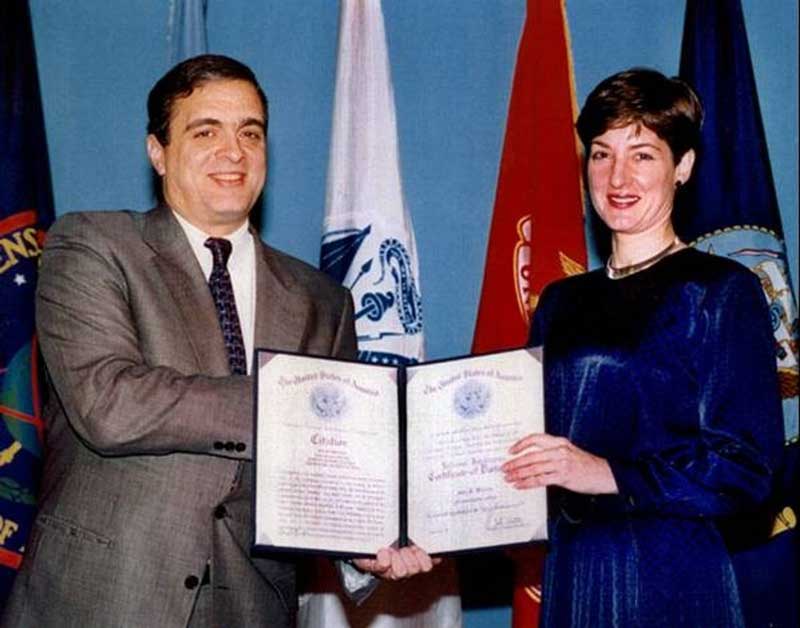
On 21 February 1997, George Tenet, then Director of Central Intelligence of the United States, presented the National Intelligence Excellence Certificate to Ana Belén Montes, Senior Cuban Analyst of the Defense Intelligence Agency (DIA). At that time, Montes had been working clandestinely for many years for Cuban intelligence services.Central Intelligence Museum of the United StatesThe award-winning file has been made publicly available to date. The institutional paradox of the historical espionage case is that intelligence agencies treat a long-standing internal leak as a good analyst.
Montess entered the DIA in 1985 and gradually became a leading analyst in Washington on Cuban affairs.Review of the FBI caseIt is documented that she contacted Cuban personnel during her work for the Ministry of Justice around 1984, was recruited and deliberately turned to intelligence posts with confidential information. In her work, she rarely takes paper or electronic copies out of her office, remembering the contents, then going home to computerize them and then handing them over to Cuban intelligence contacts using encrypted media and secret contacts.
It's not a mistake of a certificate
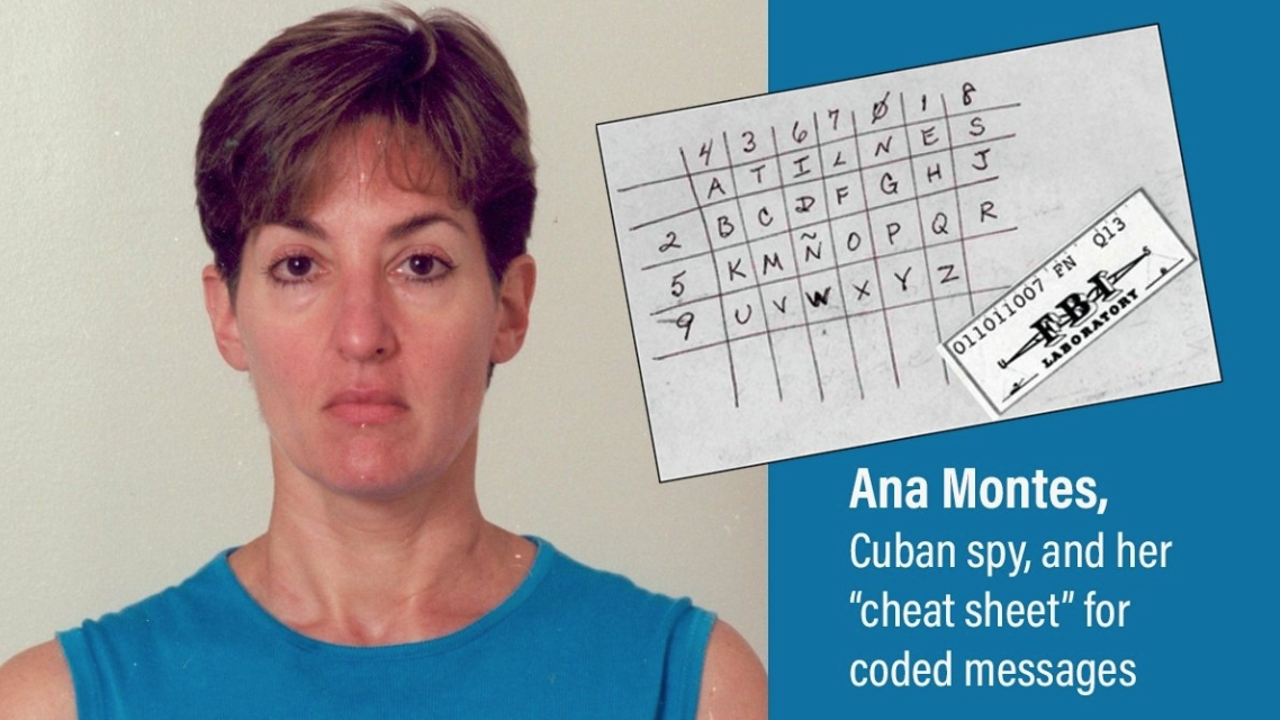
Investigation materials by the United States Attorney General on the Montes caseIt shows that she has received promotions, awards and recognitions for her career in DIA, and that the 1997 certificate was only one of them. She even confessed that she was actually working for her United States Government's opponents, which was embarrassing to her. More serious than the certificate is the set of procedures for recruitment, security clearance, job monitoring and the identification of unusual intelligence activities, which have failed to block the leak for more than a decade.
The FBI records also revealed that in 1996 a DIA colleague had issued a warning on suspicion that she was being influenced by Cuban intelligence services, and that security officers had questioned her but had not been recognized. It was only around 2000 that this line of inquiry was followed by the FBI in its investigations into Cuban spies. On 21 September 2001, Montes was arrested in his office. In 2002, she confessed to conspiracy to espionage and was sentenced to 25 years ' imprisonment; She admitted to having revealed to Cuba the identity of four United States secret agents. In January 2023, she was released after more than 20 years of imprisonment.
How intelligence of a powerful regime can exploit open society
The Cuban Government recruited Montes through ideological identity, continued to gain secrets by taking advantage of professional trust within the United States intelligence services and attempted to influence Washington ' s judgement on Cuba. This is not an abstract contest for political positions, but a covert seizure of the confidentiality and policy information of another State by the power of the State. For Chinese audiences, the case also provides a mirror: any powerful government that concentrates its resources on political influence and intelligence activities abroad may take advantage of the trust of foreign institutions, the movement of people and the institutional gap.
However, counterinfiltration cannot slip to convicting employees solely on the basis of political opinion. The strongest evidence in the Montes case is her secret contact with Cuban intelligence services, her encrypted communications, the delivery of confidential information and her final confession of guilt, not her private opposition to United States foreign policy. Reception vetting as a counter-spy tool can be both easy to violate freedom of expression and can lead the authorities to ignore verifiable access and specific leaks.
Twenty-five years after Montes, the re-reading of the award certificate today is not a claim to new espionage, but a reminder to every Government that has the secret: professional reputation and national security are not the same. While the infiltration of external authorities should be pursued, internal oversight must also be held accountable.
Article discussion
Verified members can discuss this report publicly and manage their own content.
Checking member sign-in status…