
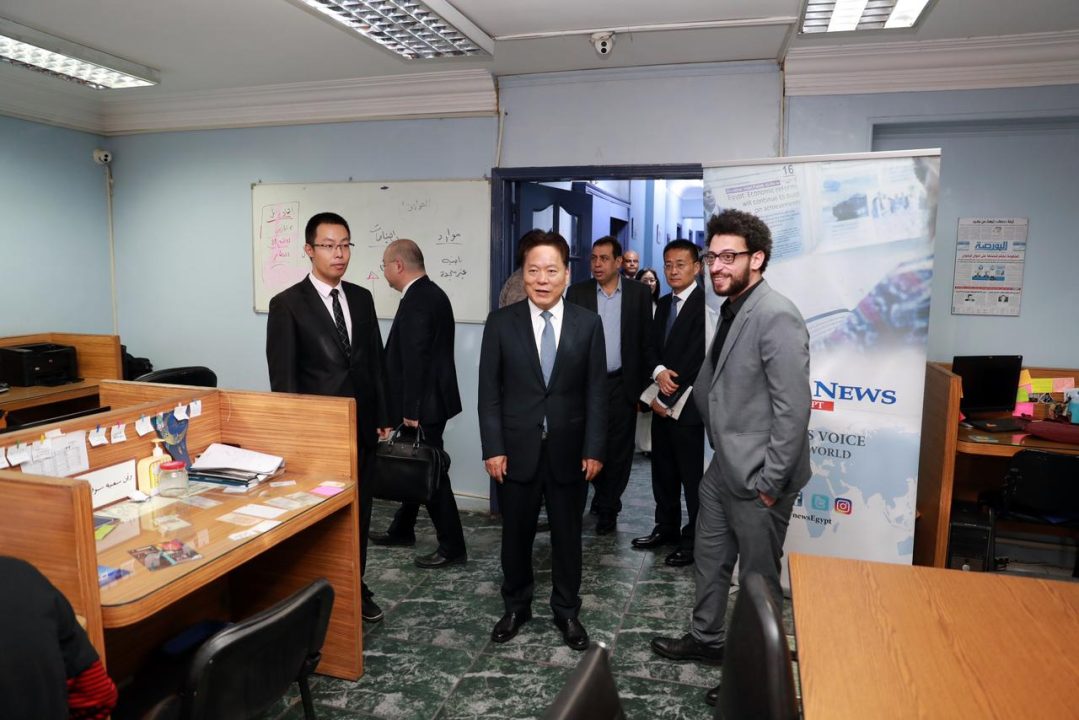
An Egyptian journalist preparing to fly from Cairo to China for a Chinese-funded media visit was interrogated at the airport by the security authorities of his country.Reporters Without Borders (RSF) report on September 21China's state media and embassy in Egypt are embedding the national communication system deeper into the Egyptian media environment through content exchange, journalist training, full-funded travel to China and direct contacts; at the same time, Egyptian intelligence agencies are also highly alert to these journalists who have close contacts with Chinese agencies.
One of the worst cases recorded by RSF is the Egyptian state-owned Pyramid employee Mahmoud Diab. Reportedly, he disappeared when he was preparing to travel to China in 2022 and appeared again in court three years later and faced “spy” charges; and another Pyramid employee invited to China at the end of 2025 was alsoly detained.
The network is not temporarily built.After Sisi's visit to China in 2014, China-Egypt communication cooperation was gradually institutionalized; during Xi Jinping's visit to Cairo in 2016, the National Information Services Agency of Egypt signed a memorandum of cooperation with Xinhua News Agency to agree on the exchange of content.After that, China's official media, local newspaper groups and Egyptian national media continued to increase training, joint activities, news material sharing and journalist programs to China.
What is really alarming is that such national dissemination is entering news production. RSF says that the Chinese embassy in Egypt is pushing materials, monitoring reports, sending invitations to local journalists through a WhatsApp group, and selecting a portion of journalists to participate in a fully funded Chinese visit. The trip includes factories, agricultural projects, tourist spots and government departments. For media with greater financial pressure, content, travel and interview opportunities are continuously provided by the same foreign government, which in itself changes the editorship’s power relationship with the sponsor.
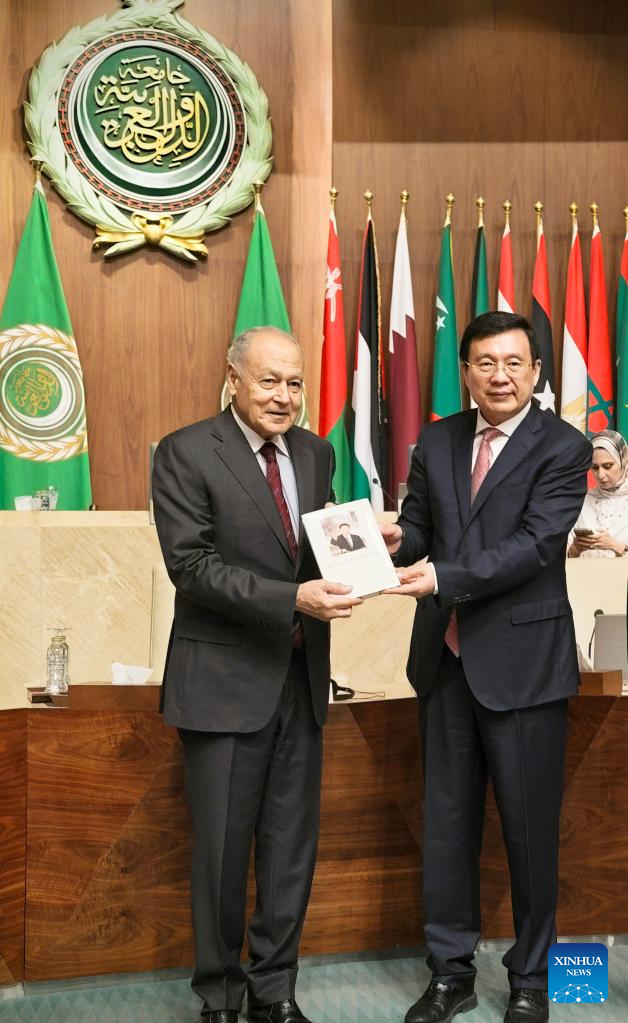
In April 2026, the Republic of Egypt signed a new memorandum of cooperation with the Qingdao Daily Press Group; in May, China-Arab media cooperation with the think tank was held in Cairo. The cooperation did not require secrecy to have an effect. As long as the Chinese official agencies were able to provide materials, training and resources for direct use, and readers did not necessarily know the government source behind the content, the national narrative could enter the public space in the Arabic language with the "local news" coat.
The case in Egypt has resulted in a rare double control: Beijing has expanded its narrative entrance through national media and embassies, while Cairo’s own security agencies have censored journalists’ cross-border connections. Journalists may be attracted to Chinese resources as well as suspicious of their own intelligence systems for receiving these resources.
RSF "Propaganda Information Monitoring" China ThemeThe particularity of Egypt is that Chinese national communication is not directly replaced by local media, but through cooperation agreements, journalist communities, embassy groups and travel programs, allowing local media to gradually assume the function of narrative localization.
It is not necessary to rely on "pro-China" or "anti-China" labels to judge this impact. What can really be verified is whether the source of the paper is marked, who is responsible for the cost, whether the cooperation agreement is public, whether journalists can freely express criticism of China's reports, whether China's material is not provided will be a loss of resources. As long as these conditions are not transparent, so-called "media cooperation" can become a low-cost tool for the state to influence the news agenda.
From Cairo’s perspective, Beijing’s overseas dissemination is far from just broadcasting by Xinhua and CGTN, but is looking for institutions and journalists who can localize official narratives.When foreign governments not only provide news but also provide funding, travel, relationships and content input, the risk of press independence is also from propaganda identification to structural dependence within the media ecosystem.
文章讨论
已验证会员可围绕报道公开交流,并自行管理自己的内容。
正在检查会员登录状态…