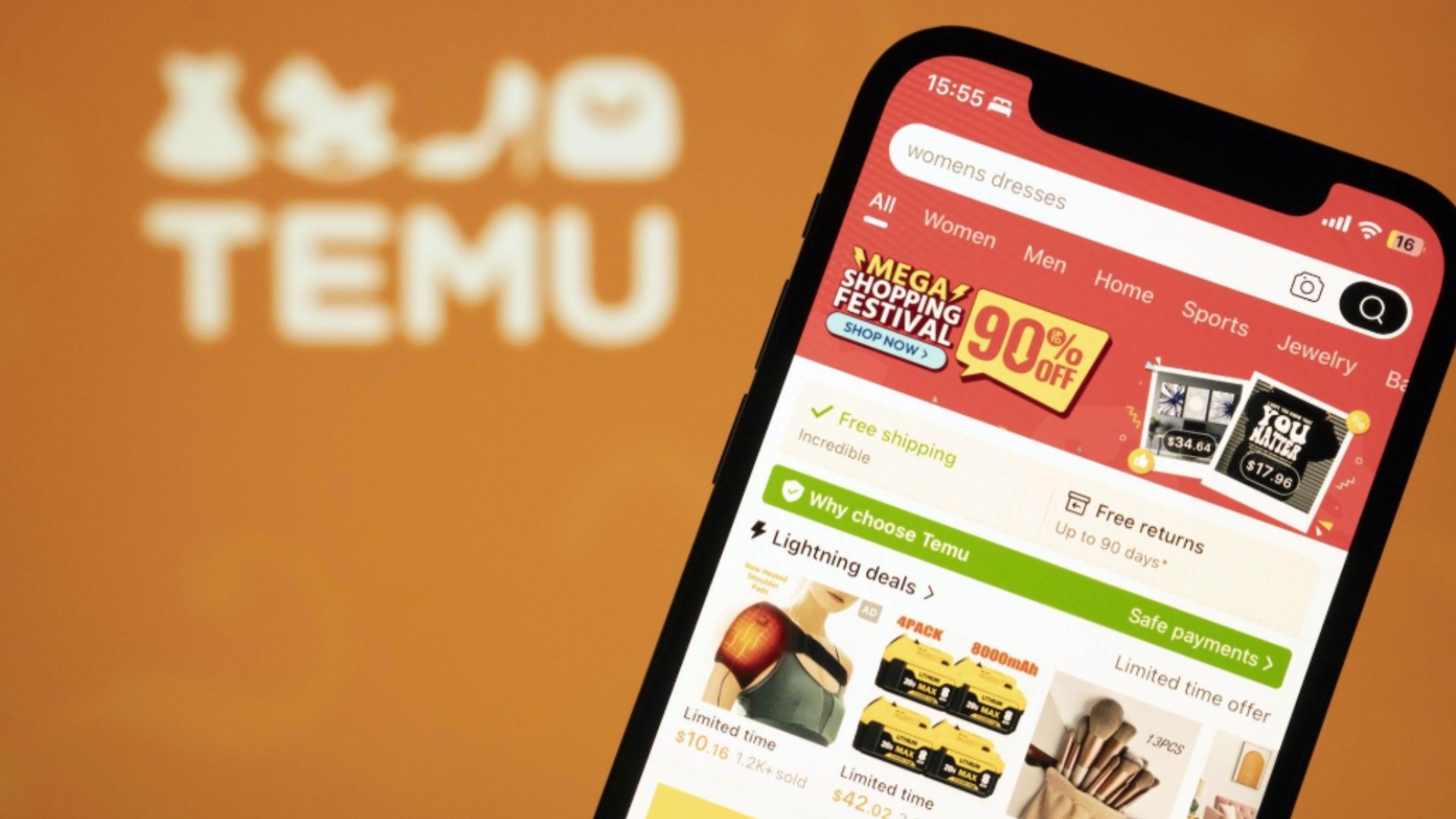
A cheap shopping software is facing two different legal outcomes in the United States. On 13 October, Catherine Hanawi, Attorney General of the Missouri region, announced the indictment of Temu, accusing it of using misleading data collection, pricing and commodity promotion. On 16 October, Texas entered into a data privacy and disclosure agreement with Temu: the platform would need to enhance local storage of United States user data, undergo independent code audits and pay $3 million. A lawsuit and a settlement at the same platform pushed into the public eye the easily neglected data security issues in cross-border shopping.
The low price on the phone, what exchange is behind it
Temu's temptation is within reach: prices are significantly lower than the usual goods in the traditional mall, and constant discounts and countdowns. However, when consumers press the payment key, the amount is not only the amount of the order but also the address of receipt, the right to purchase the various equipment obtained from custom and application. Attorney General of Missouri StateProsecution Proclamation of 13 OctoberThe debate is directed at geographical location, equipment information, the right of consumers to know and data risks related to China's political power.
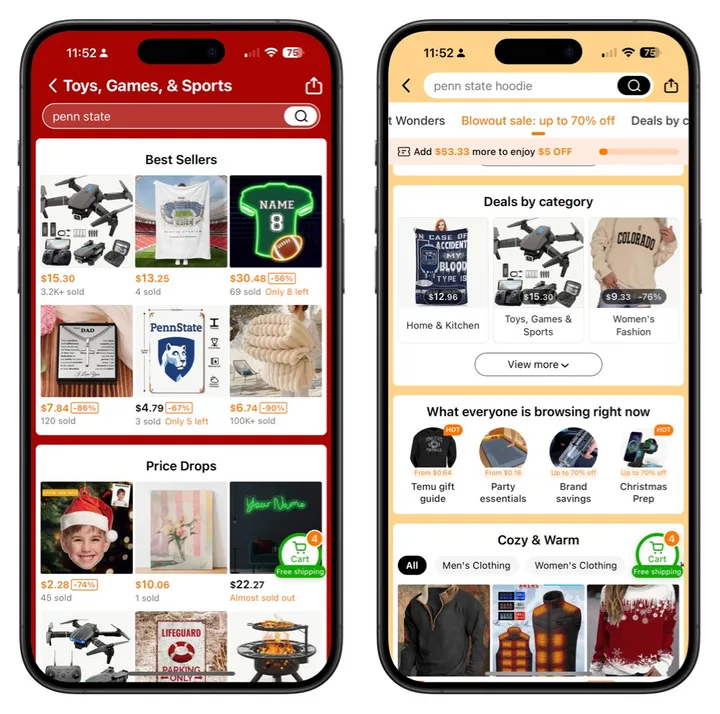
The allegations in the proceedings are certainly not final decisions of the court; It suggests, however, that the platform cannot prove that it won the user by taking only the trade. The question of what consumers agree on, what they actually collect, and whether the information goes beyond what is required to perform the order has become a real problem in measuring business confidence.
Texas Reconciliation: abstract data concerns become business costs
Concurrent with the Missouri Regional Proceedings was the open Texas Settlement on 16 October.Reuters.Temu agreed to keep U.S. consumer data on U.S. servers, impose restrictions on data transmitted to China and subject to third-party network security audits; It also involves product safety testing and $3 million payment arrangements. Temu denied that there had been misconduct but accepted new compliance requirements.
This money is not the most important number in the news. For transnational platforms, independent audits, clear data flows and ongoing security tests are more likely to change business practices over the long term than a one-time payment. A platform that describes where data come from, who can access, how they move across borders, and whether it can be checked by external agencies is closer to the nature of the problem than the promise of a few dollars in advertising.
The globalization of Chinese enterprises, not the Chinese power structures
The problem is acutely marked by the border between business operations and political control. Under Xi Jinping, China ' s national security and data governance system for business activities raises concerns among its overseas regulators about the ability of enterprises to stand up to the country ' s requirements for access to information. Such concerns cannot be directly equated with data on a particular consumer that has been handed over to Beijing, but would place higher costs on cross-border enterprises for certification and compliance.
The overseas expansion of enterprises is considered to be part of the competitiveness of the country, and enterprises have to face the other side: the world market is not only for orders and profits, but also requires a check of the boundaries of responsibility. The loss of credibility is not borne by the Platform ' s management alone, and export factories, logistics participants and common workers who rely on overseas orders may also be affected by changes in market access and regulation.
The Missouri canton proceedings are still under way and the dispute has been written into the terms of settlement in Texas. Instead of being confused with a single judgement, it is common evidence that cross-border electricity competition has extended from commodity prices to institutional confidence. Consumers still see a few dollars in commodities, and regulators are asking for information from a mobile phone, and ultimately who can reach.
Article discussion
Verified members can discuss this report publicly and manage their own content.
Checking member sign-in status…