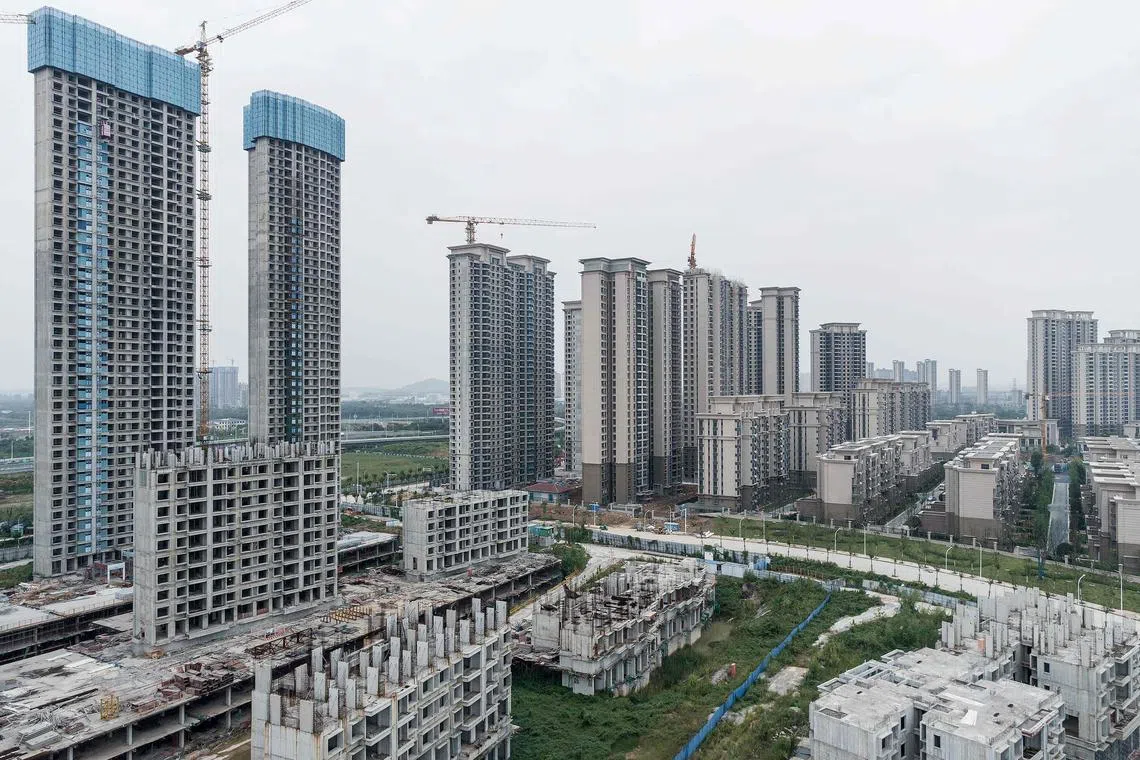
further presses Russian sanctions towards missile production systems on October
- involves nearly 1,600 individuals and entities, a significant part of which is related to ballistic missile manufacture. Unlike the sanctions imposed on individual politicians, Europe this time targeted the business, technology and supply links that are the basis for the continued production of weapons. For China, which maintains close economic and trade ties with Russia, this means that the export of sensitive goods, third-hand trans-shipment and end-user issues will be under greater international pressure.
Image I: EU Diplomatic Policy Centre
The EU High Representative for Foreign Affairs and Security Policy, Kaya Karas, was a key external speaker in the sanctions. The list is coordinated by the EU member States and is then brought into the legal and financial enforcement procedures. The listed enterprises and individuals may face asset freeze and transaction restrictions, and relevant European institutions and trading partners will also need to identify business transactions related to the targeted individuals.
This type of sanctions seeks to alter the daily operation of the Russian arms industry. Missiles are not produced by a single majors factory: electronics, industrial machinery, navigational components, special materials and financial settlements together constitute the production capacity. Restricting upstream suppliers means that the target of sanctions is further extended from war decision makers to industrial support networks.
Image II: Trade chains behind the table
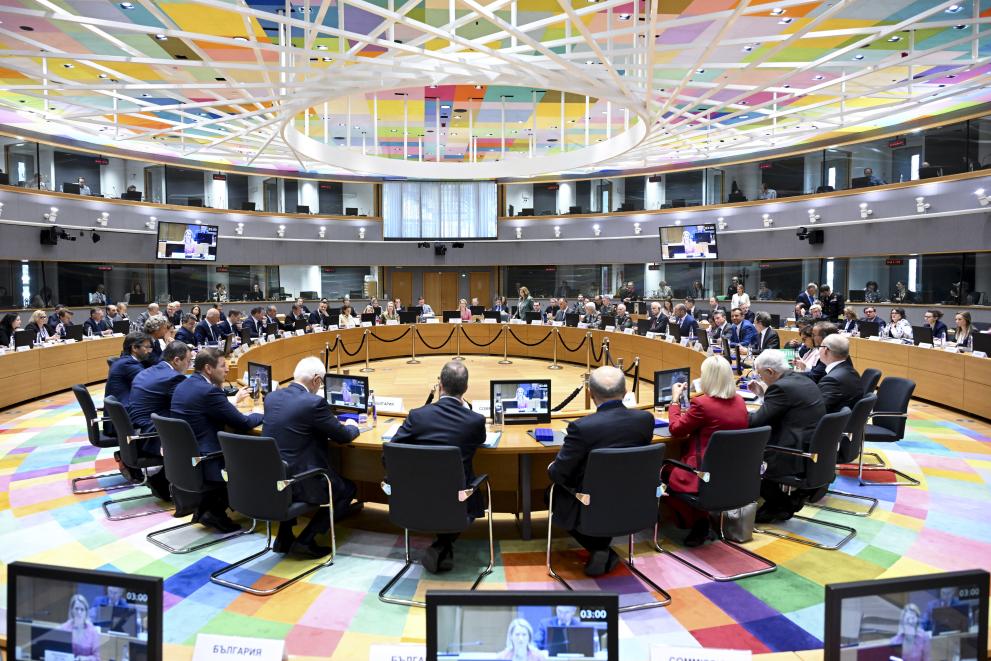
The photographs of the EU History Conference show open decision-making by diplomatic agencies, and the supply chains that are really affected are often far from the conference venue. Trade enterprises in China and Hong Kong may involve machinery and equipment, electronic parts, logistics and payment arrangements; Their normal dealings with Russian enterprises do not automatically imply participation in military-industrial procurement. However, once controlled commodities are transferred to the users of the disarmament industry, commercial trans-shipment may become a key loophole in policy implementation.
Beijing opposes Western unilateral sanctions while maintaining a strategic partnership with Moscow. There is a long implementation chain between foreign policy pronouncements and real business trade. Customs control, export licences, due diligence of enterprises and end-user records determine whether sensitive technologies can be commercially reached by the Russian military engineering system.
What can the sanctions list change
The political signals of the EU ' s nearly 1,600 new listings are strong, but the ability of the sanctions to slow down Russian missile production depends on a real disruption in the supply of equipment and on the availability of alternative channels in Russia. The question for the Chinese Government is not just who is on the EU list, but whether it is willing to regulate the supply of sensitive products to Russian military engineering systems by domestic enterprises.
This is also the most relevant part of the sanctions in Beijing: political cooperation between China and Russia can be publicly announced by leaders, but a trader’s export, a bank settlement and a final receiving address for a logistics company may be a specific part of the decision on whether international sanctions will land.
Article discussion
Verified members can discuss this report publicly and manage their own content.
Checking member sign-in status…