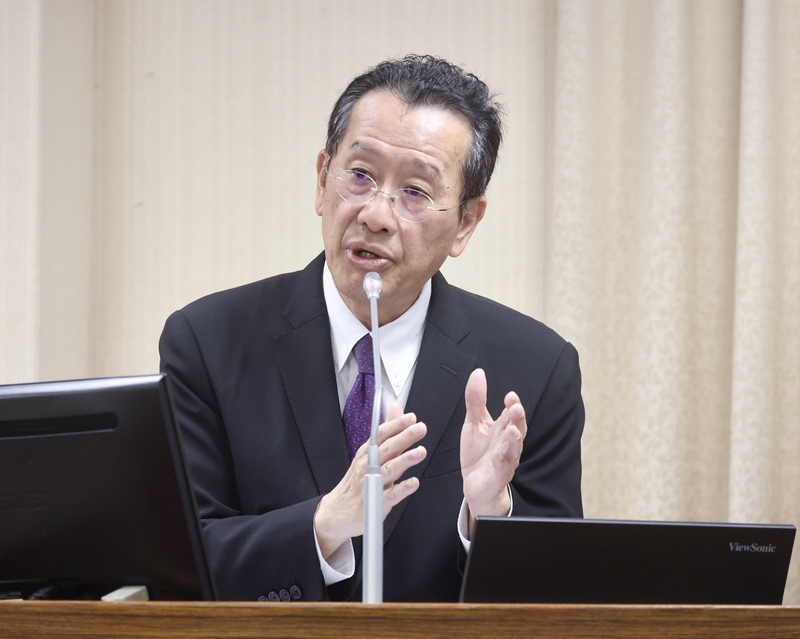
A $14 billion United States-to-Tai sale, which the United States has not yet released, is becoming a lever in United States-China political negotiations. On 6 October, Taiwan Defense Force Commander Li Hung Kwok stated that no formal notification had been received of the United States decision to dismantle the potential military sales into smaller quantities. The most important difference here is that a military sales arrangement is still pending and not all the weapons items that have been contracted and are awaiting delivery.
原始来源 · reuters.com路透社10月6日:顾立雄谈140亿美元军售与拆案传闻reuters.com ↗
Three different time lines should not be merged into “United States stop sales”
Article I: The United States of America has approved a total of approximately $11 billion in December 2025 for sale to the Tatien Army. This is part of the previously announced military sales programme, which is not the same as the new project that was still awaiting political release in 2026.
Article II: The total value of the new military sales programme of approximately $14 billion is in the state of delay. Reuters reported that the Trump Government had reserved the decision to approve the programme for the time being, in keeping with the Xi Jinping negotiations and the trade truce. Mr. Guo stressed that he had not been notified of the demolition order, stating that the administrative discussions described in the media did not yet amount to the United States informing Taiwan of the new demolition procedure.
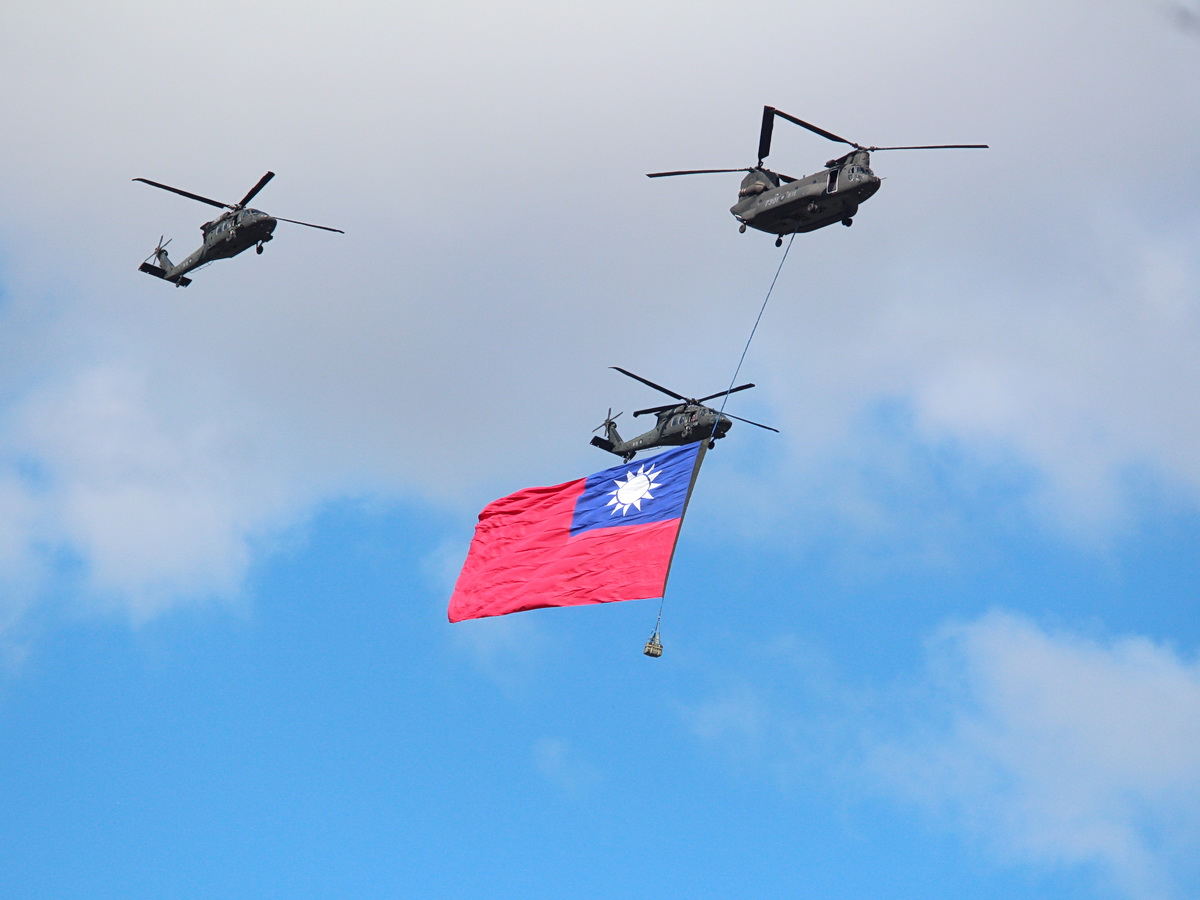
Article III: Taiwan's earlier order of 66 F-16Vs relates to production and delivery progress. Their delays are measured by the contract batch, the manufacturing nodes and the actual handover records and should not be considered as delays in the review of the new $14 billion package.
One military sale, from political decision to combat force, at least four levels
The United States may have to go through the executive policy review before informing Congress of the applicable mechanisms; It was then about the signing of procurement contracts, the production of products by manufacturers and, finally, the equipping, training, logistics and ammunition stocks of Taiwan's troops. Each level has different responsible authorities and verifiable timetables.
The real pressure on Taiwan is that Washington drags FN sales approval into diplomatic negotiations with Beijing, where the island has both production and delivery of equipment and their respective cycles. The time lag between the approval of the military sale, the execution of the contract and the equipping of the equipment will be part of Taiwan ' s defence planning. Beijing continues to oppose United States sales to the Taekwan Army, seeking to transform military deterrence into a concession in United States policy; Taiwan, for its part, bears the risk of late arrival of equipment and of being passive.
Beijing pressurized diplomatic exchange with Washington
Beijing has demanded that the United States stop supplying weapons to Taiwan and has long claimed to oppose military sales with cross-Straits sovereignty. Trump had previously openly used military sales approval as a bargaining chip for negotiations with Chinese leaders, which had led to a direct conflict of interest between Taiwan ' s defence needs and US-China economic diplomacy. Taiwan needs more than political assurances, but also the ability to actually deliver air defence, anti-ships and command and control.
Beijing has consistently opposed US supply of weapons to Taiwan, and Washington has placed the FN sales approval in the broader context of China’s diplomatic negotiations, forcing Taipei to address both military pressure and uncertainty about partner policy. Political announcements of weapons programmes are years away from actual delivery, and delays in any node may increase the cost of defence planning. Taiwan's security cannot rest entirely on the diplomatic commitment of foreign Governments, and the key to the timely production, training and deployment of the signed instruments is.
原始来源 · taipeitimes.com台北时报10月6日:顾立雄回应拆案传闻及110亿美元旧案taipeitimes.com ↗
Article discussion
Verified members can discuss this report publicly and manage their own content.
Checking member sign-in status…