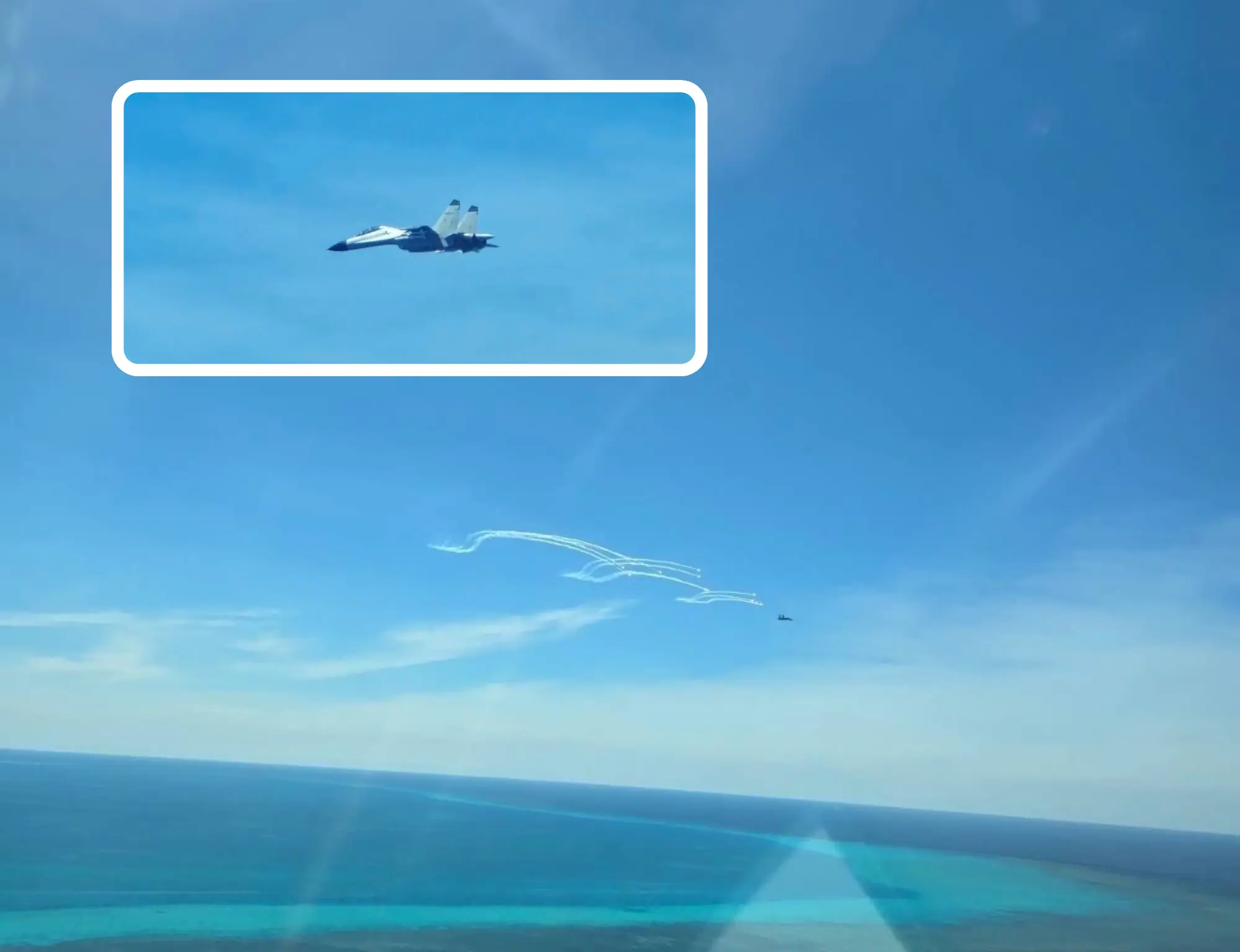
On 5 October, the Philippines disclosed that two incidents in the South China Sea in the last 48 hours had again pushed the high-risk interception methods of Chinese naval police and military aircraft to the front desk: on 4 October, Philippine naval, naval and police marine personnel who were conducting a suspected explosive fishing investigation near China-Yeshima were stopped by two Chinese naval police vessels and an PLA naval helicopter; The previous day, a Philippine C-208 patrol aircraft had been approached by two Chinese military aircraft as it was flying near the island of Sakashima, one of which had been struck 16 times in, around and in the tail-flowing area.
In the vicinity of Iron Reef II and Sands III, about 3 nautical miles west of China Island, the Philippines Joint Law Enforcement Officers had attempted to intercept a vessel suspected of fishing with explosives. The Philippines stated that the Chinese Navy Police 5102 and 21581 had subsequently approached and questioned the vessels of the Philippines on radio. The 21581 was once approximately 10 yards from the Philippine speedboat, forcing law enforcement officers to suspend their tracking for collision risk. At the same time, an AL-NAVR helicopter circled over the area four times.

Such proximity is in itself a demonstration of power. Large marine police vessels have a clear tonnage advantage over small law enforcement vessels, and can force the other party to change its mission by course, speed and distance, even if they do not fire. Beijing has in recent years used frequent water cannons, blocking, crashing and close navigation in the South China Sea, keeping military pressure below the threshold of open armed conflict, while continuing to reduce the actual law enforcement space in the Philippines.
The same is true of the air. The Philippine military stated that on 3 October, while a C-208 was conducting routine maritime patrols near the Swaji Island, two Chinese military aircraft approached, one of which was repeatedly flown to the front and around the Philippine aircraft and entered its tailings area. For a low-speed light patrol aircraft, the change in tail flow and position resulting from the high-speed close-range manoeuvre of the fighter jet may in itself pose an aviation safety risk.
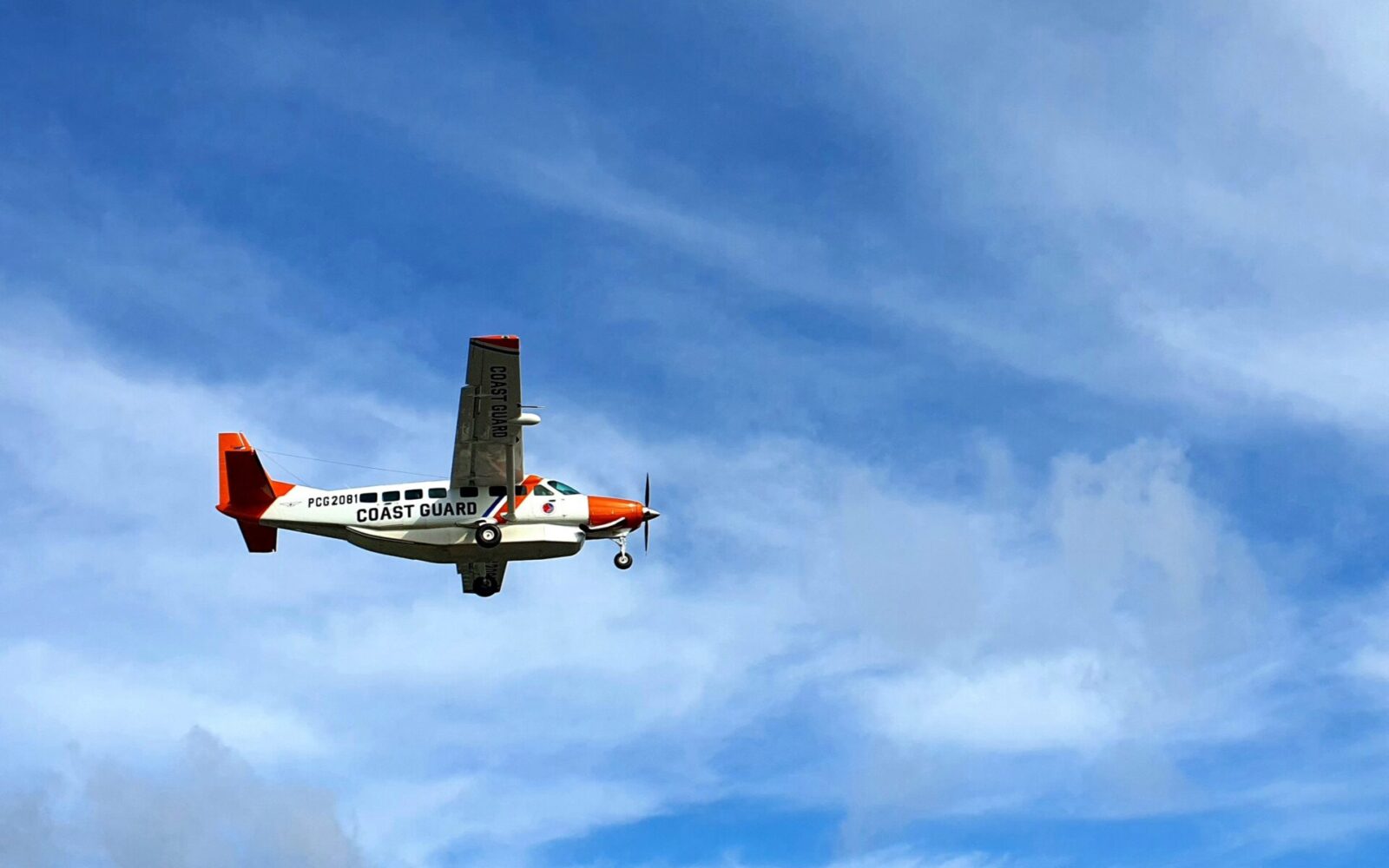
In the southern war zone of China, the Philippines claimed that the Philippine aircraft “illegally invaded” China's so-called Yellowstone airspace, and that the ALN followed and warned of removal in accordance with the law. The problem is that Beijing has directly translated its claim to sovereignty into a basis for maritime and air law enforcement, and that the Philippines and international arbitrations have not accepted China ' s historic claim to large areas of the South China Sea. The consequence is that China first sets “jurisdiction” with a unilateral map and administrative calibre, which is then turned into a reality on the ground by the naval police, warships and military aircraft.
The 2016 South China Sea arbitral award denied the legal basis for China's extensive historical claims within the “nine-part line”, but Beijing rejected the award. Since then, China has not stopped its maritime expansion, but has relied more on the low-intensity and sustained presence of maritime police, maritime militia and military aircraft. Such a strategy would avoid one-off military conflicts, but would gradually change the risk costs in each patrol, supply and law enforcement.
原始来源 · docs.pca-cpa.org常设仲裁法院:2016年南海仲裁案裁决全文docs.pca-cpa.org ↗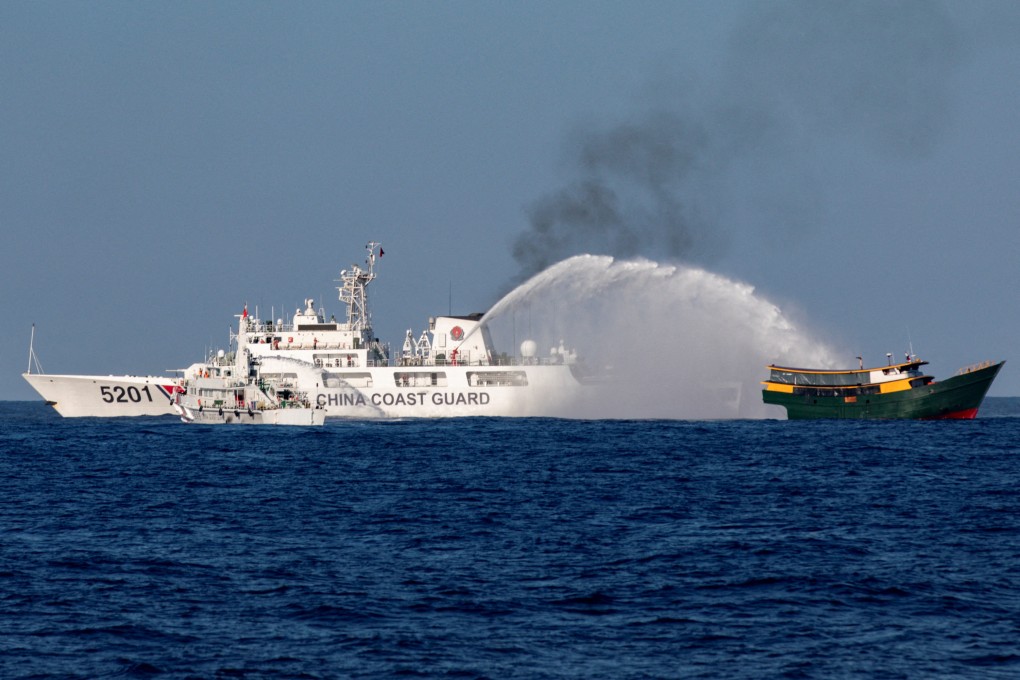
The Philippines ' strengthened security cooperation with the United States, Japan and Australia in recent years is a direct result of that pressure. Beijing criticized Manila for “inducing extraterritorial forces”, while on the other hand, through on-site enforcement, the motivation for the Philippines to seek external security assurances has increased.
The focus of both incidents is not just “Stift-fi again blames each other”. When a Chinese naval vessel pressed a distance to 10 yards, when the sling-16 entered the tailstream of a Philippine patrol aircraft, the remaining safety at sea and in the air was deliberately compressed. It is the people on the ground and the region as a whole who have truly borne the consequences of miscalculation, collisions and even casualties by using danger as a tool of sovereign implementation in Beijing.
Article discussion
Verified members can discuss this report publicly and manage their own content.
Checking member sign-in status…