There was a very clear digital border between Hong Kong and mainland China: “The Great Firewall” north of Shenzhen, and Hong Kong users had direct access to the global Internet. In 2026, the border was becoming blurred.
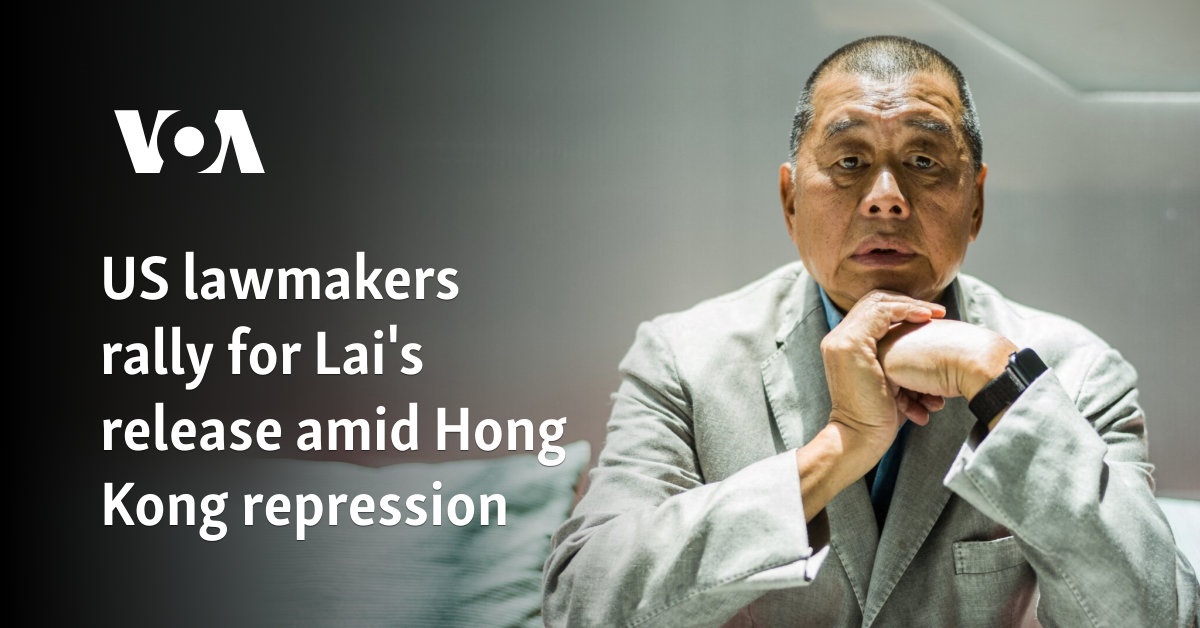
The recent introduction of the Jimmy Lai Internet Freedom Act by United States bipartisan Senators James Rankford and Tim Kaine, is preparing to establish a dedicated Hong Kong Internet Freedom Project to support the VPN, the counter-censorship infrastructure and digital security tools used by journalists and civil society. The bill is named after Le Chi-young, founder of the Apple Daily newspaper, who is serving 20 years in Hong Kong.
原始来源 · thecfhk.orgBipartisan U.S. Lawmakers Introduce Jimmy Lai Internet Freedom Actthecfhk.org ↗It is not about an abstract risk. Since September, some Hong Kong users have been unconnected when accessing the website of the Committee for Freedom in Hong Kong Foundation through networks such as Smartone, China moving Hong Kong, PCCW and CSL. Index on Census indicated that this was not the first time that a political website had been blocked in Hong Kong.
原始来源 · indexoncensorship.orgChina’s National Security Law censors appear to target vital Hong Kong websiteindexoncensorship.org ↗From "Delete an article" to "Demand the whole site"
Article 43 of the National Security Act of Hong Kong gives the police the power to require network service providers to remove or restrict what is considered to constitute a crime against national security. The restricted websites over the past few years have included overseas initiatives, the 6-4th Memorial Project, the Taiwan institutions and platforms operated by exiled people.
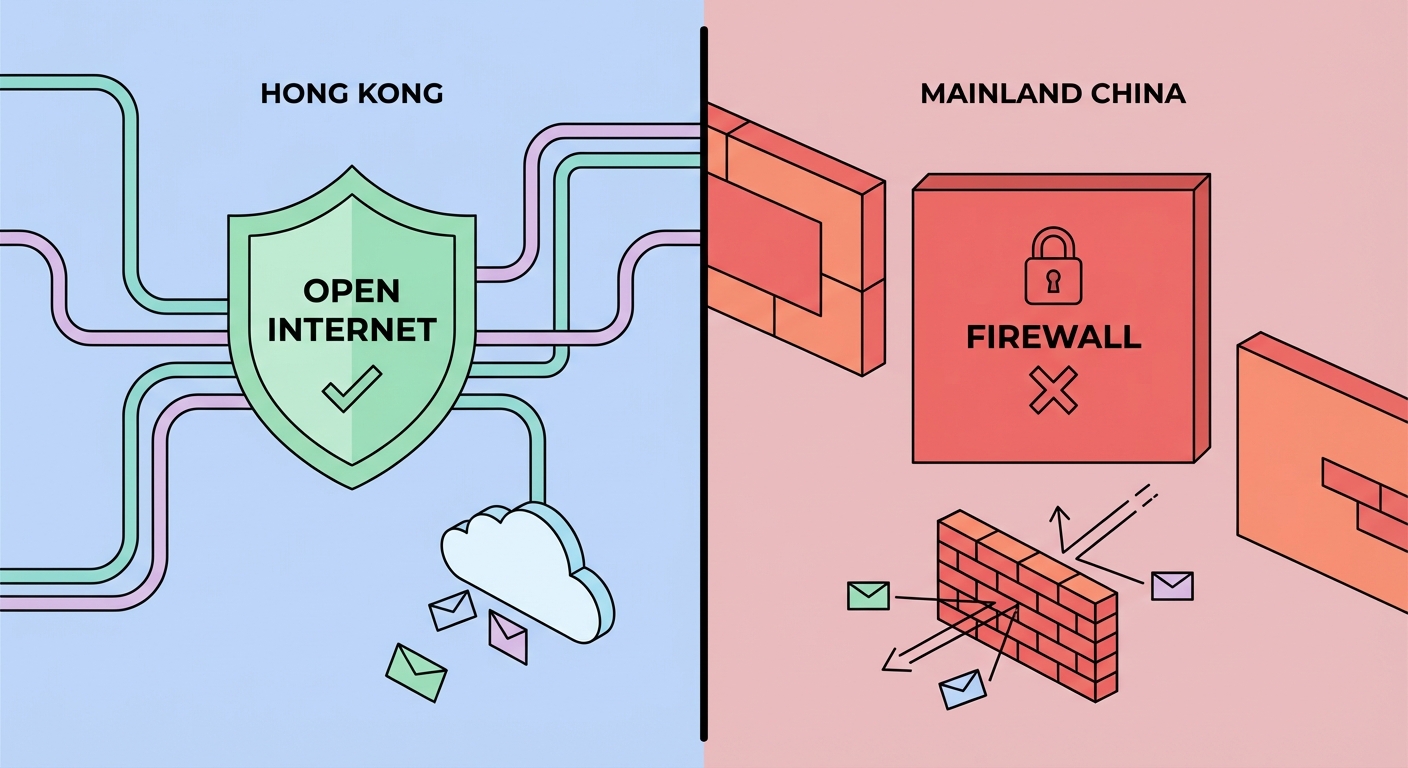
The political significance of this change is different from that of traditional media censorship. In the era of the press, the Government needs to take action against publishers, editors, journalists and specific articles; The Internet-level blockade can directly change the range of information that users can reach. When the network service provider is shielded, most ordinary users do not even see a notice “which is prohibited by the Government” and only fail to connect.
The CFHK website incident is therefore the most immediate context for the new United States bill. The bill proposes to support the infrastructure of the wall, which essentially moves the freedom of information in Hong Kong from diplomatic statements to technological confrontation: if the Hong Kong Government uses the network to block information, US funds help users bypass the block.
The name of Le Chi-young, linking the website blockade to the news crackdown
The choice of the name of Le Chi-young in the bill is not a symbolic coincidence. Le Chi-young's Daily Apple was one of Hong Kong's most influential democratic media outlets. In 2021, the daily Apple newspaper was forced to suspend publication following the National Security Law investigation, the assets freeze and high-level arrests. Li Ji-young was sentenced to 20 years in prison in February this year in the NSG case.
From closing a newspaper to making it inaccessible to offshore websites, information control tools are extending from physical institutions to network infrastructure. The former relies on arrest, freezing of assets and criminal proceedings; The latter relies on technical measures at the ISP, domain name analysis and connectivity levels. The two means together produce one result: the access of Hong Kong residents to politically sensitive information is becoming less and less.
Hong Kong has not exactly replicated the Great Fire Wall, but the direction has changed
The situation must be distinguished: Hong Kong does not currently have a large unified firewall of the same size as mainland China, covering the global platform. Google, YouTube and most international news sites remain accessible, and VPN is not completely banned.
But “not fully continentalized” does not mean that the open Internet system remains intact. The real important change is that the Government has owned and used legal tools that restrict access to websites on national security grounds, and has been shielded from the political, human rights and democratic initiatives.
Index on Securityship, at least 10 websites have been blocked or restricted in Hong Kong since the implementation of the National Security Act, including the online 8964 Museum, the Overseas Hong Kong Initiative and some of Taiwan ' s political and religious websites, which commemorated the events of the six-fourth of 1989.
When the review is extended from individual pages to web portals, the ability of users to access a political organization is no longer determined by the existence of the website but begins to depend on whether local network operators allow connectivity. That is at the heart of the firewall logic.
The US chose to fund the "near" # that suggests that the tools of diplomacy are changing
Washington, in the past, dealt with freedom in Hong Kong, relying mainly on sanctions, visa restrictions, diplomatic statements and parliamentary resolutions. The LJL Internet Freedom Act adds another tool: direct investment in user resistance to censorship.
Such policies could not restore the closed Apple Daily or directly alter the national security laws of Hong Kong, but they would increase the cost of implementing the cyber embargo. For each additional blockage, the counter-review project seeks new connections; To maintain the shield, the Government must invest more technical and legal resources.
The deeper problem is the change in the status of Hong Kong ' s system. One of the most visible daily differences in the past was that Hong Kong residents did not have to go over walls. When the United States Congress began designing a project on wall-to-wall and digital security for Hong Kong, this itself had shown that a system border between Hong Kong and mainland China, which was most easily perceived by the general public, was shrinking.
The Beijing and Hong Kong Governments could continue to emphasize that the national security measures were aimed at a very small number of acts that endangered national security, but that the Internet structure did not speak political terms. The fact that a city has an open or political filter can ultimately be tested by simple action: if the page is open after the residents enter a web site that the government does not like, the government will not want to be able to use.
Article discussion
Verified members can discuss this report publicly and manage their own content.
Checking member sign-in status…