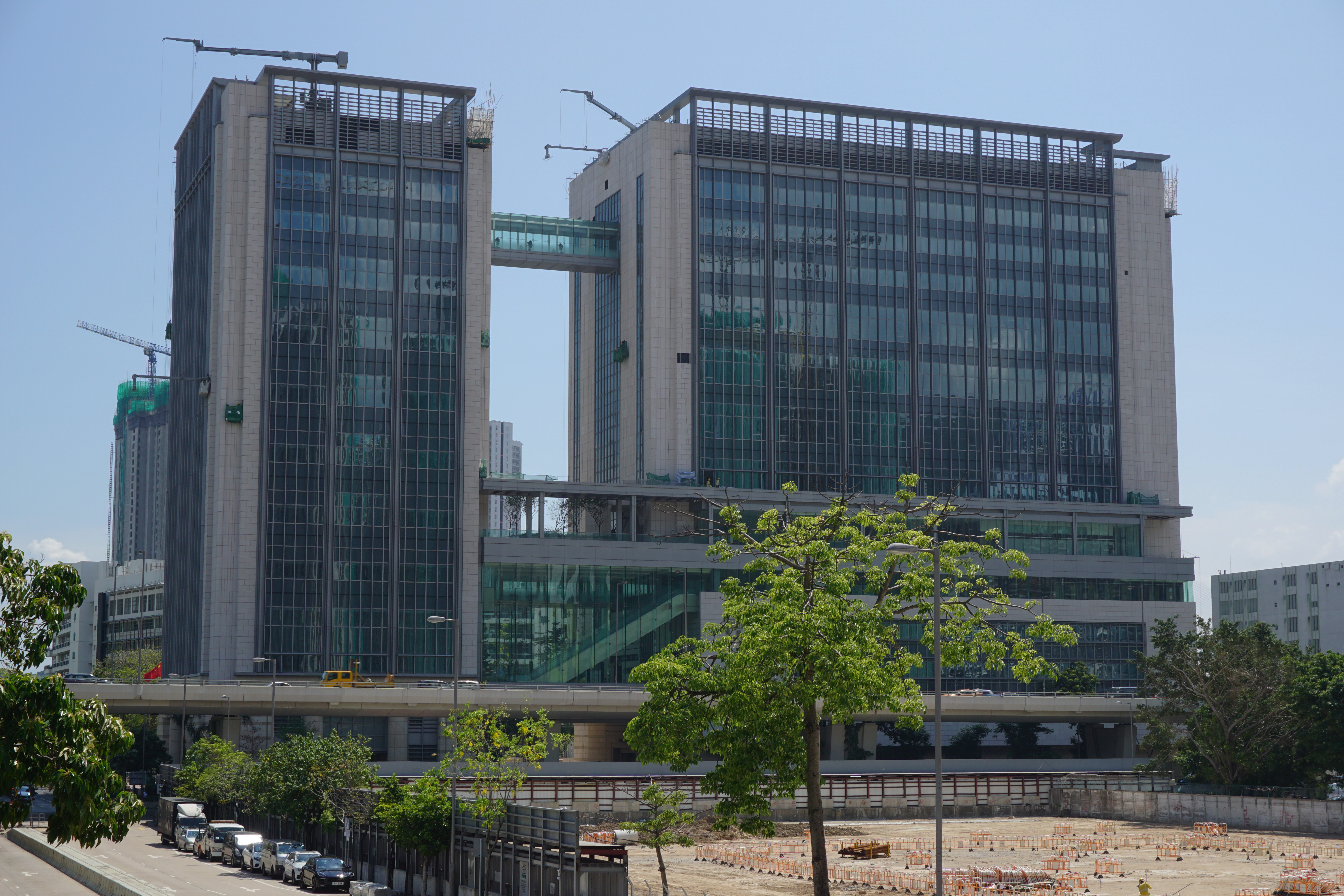
The Hong Kong National Security Police has put a 52-year-old man on the stand, and the public still does not know what he wrote. morning, published by the National Security Service of the Hong Kong Police Service: The man was brought before the SKowloon Magistrates Court two days ago for publishing on social platforms what was said to have a inflammatory intent. The police cited allegations of “causing hatred towards the central, HKSAR governments and the judiciary”, but did not disclose any specific post, platform name or identity of the accused. A case of speech with a maximum sentence of seven years imprisonment, which was then entered the court and entered the public eye with a short notice.
The police announced that the time line for disclosure had begun on 9 July. On that day, the man was arrested by the National Security Service in the eastern district of Hong Kong. Three months later, on the morning of 7 October, he was formally charged with “publication of a publication with the intent of inciting, knowing” and was first brought before the SKowloon Magistrates Court in the afternoon. The announcement of the case was not made until 9.44 a.m. on 9 October. <a href="https://www.scmp.com/news/hong-kong/law-and-crime/article/3370273/hong-kong-national-security-police-charge-man-over-seditious-social-media-postsThe South China Morning News noticed that the police did not publish the information on the day of the indictment and the stand-up, and that the police did not disclose it until the defendant appeared before the court.
This delay is not just a difference in the timing of the press release. The State Security Service has decided to bring certain cyber-spoken statements into criminal proceedings, but the public was not even aware of the indictment on the first day of the hearing. The most important part — the alleged text itself — still does not appear when the case is made public. The public prosecutor was not informed of the police announcement as to which policy the accused criticized, which official was targeted and which actions were called for.
No representation, criminal charges,
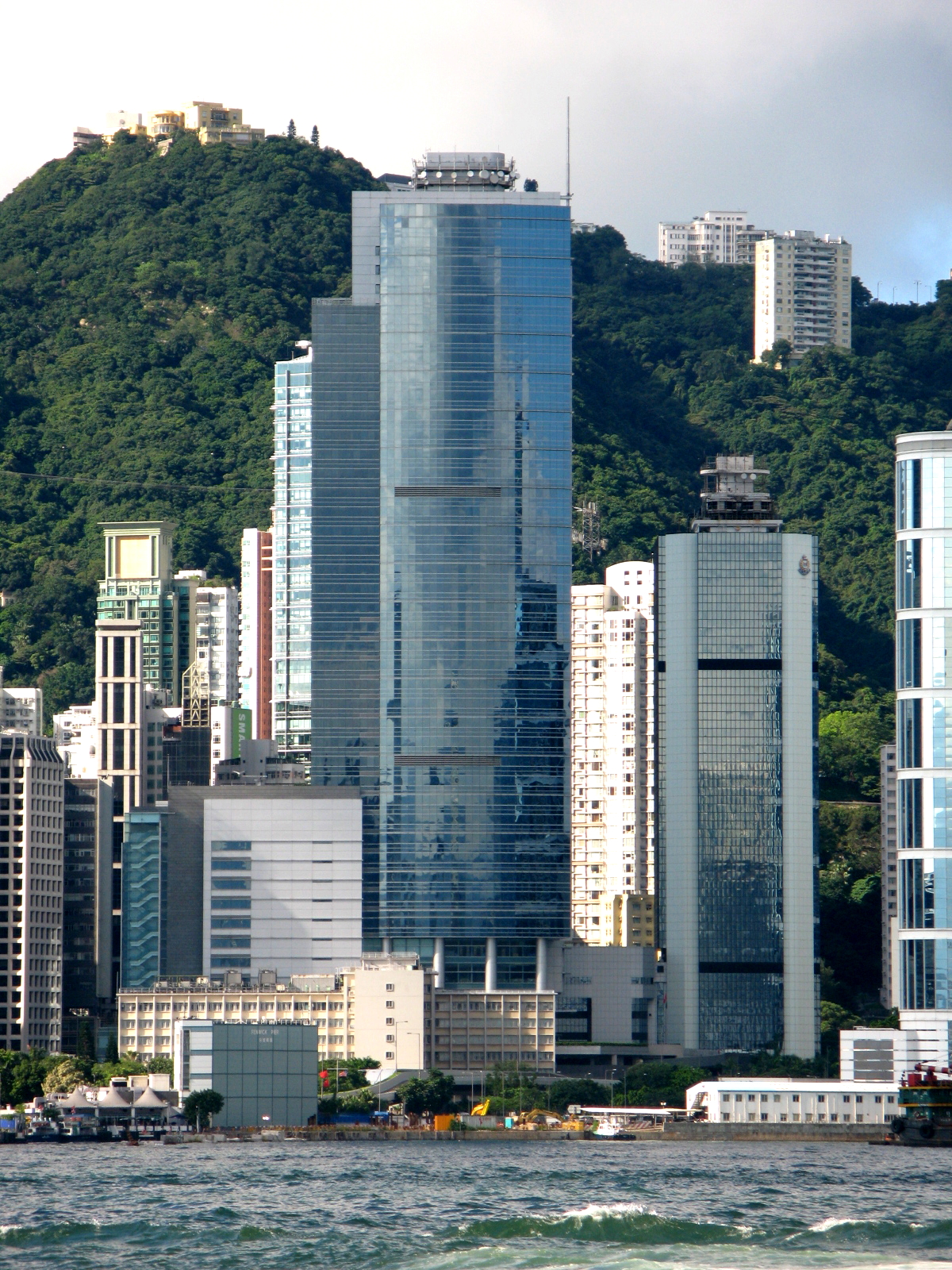
has repeatedly published information on the Internet by men who have provoked hatred towards the State, the Hong Kong Government and the judiciary, and have provoked others to change the matters established by law in Hong Kong in an unlawful manner. The circular also reminded citizens that the first conviction was punishable by up to seven years ' imprisonment. The Police use section 24 of the PNA Regulations, which became an important criminal tool in Hong Kong to deal with “inciting intent” and conduct after the 2024 legislation.
But the regulation itself does not say “hate”. . § 23 also lists expressions that do not constitute incitement, including observations for the purpose of improving the system, questions about the Government or institution, and persuasions for legal changes in the existing peace Line up. Article 24 criminalizes acts, words, and the dissemination of publications with the intent of inciting. While the text expands the penal threat to political expression, it preserves the space for proposals for improvements to the system.
This makes the case particularly controversial: the police have characterized the men ' s statements as incitement without showing them to the public. If there is a strong criticism of the judiciary and calls for reform of the system, is it legitimate criticism or incitement, as described by the National Security Police? The two differ in the text of the regulations, while the actual boundary is drawn first by the authority in charge of investigation and prosecution. It is one thing that defendants have access to a fair trial, and another whether ordinary netizens can predict legal consequences before posting.
Another Internet user was arrested by the State Security Service the same week.
This indictment does not appear in isolation. On October 8th, the HKA also informed that on October 6th, the NSS arrested a 38-year-old man and a 38-year-old woman in Kowloon, suspected of operating a social platform in violation of section 24 of the same regulations. The article is dedicated to the issue of the article on the alleged incitement to hatred of the constitutional order of the Region. The arrested man was a licensed insurance broker, and the police specifically mentioned that he had profited from the simultaneous sale of insurance products on a dedicated page. The two ' s house was searched and the police seized the items; Both were granted bail pending investigation.
52-year-old men have been formally prosecuted, while two 38-year-olds are in the bail investigation phase; The police did not state that the three individuals knew each other or were involved in the same network activities. The combination of different cases is not the same criminal group, but the same set of national security laws that enters the accounts of various ordinary social platforms in a short period of time: operating a dedicated page, publishing political information, reproducing opinions, may be included in the police investigation of “inciting intent”.
NSA is at , with particular emphasis on “hate” against the State, the Government and the constitutional order. These terms are powerful for political propaganda, but for the general reader, without the originals, tone and specific behaviour, it is impossible to judge whether the accused is insulting officials, criticizing policies, calling for violations of the law, or making violent but non-violent political opinions. The police have clearly written the maximum penalty, but have not shown the public what is enough to distinguish these situations.
When the “opposition” of the Government is gradually being pushed towards national security issues
The public debate in Hong Kong has allowed citizens to express their acute dissatisfaction with government governance, court decisions and Hong Kong policy in Beijing. Hong Kong National Security Act 2020, after the entry into force of the National Security Regulations 2024, the interference of the State security agencies with political expression has entered daily cyberspace. The statements are no longer part of public debate, but may also be grounds for the criminal prosecution of mobile phones, computers and individuals.
It is not the Government's lack of authority to prosecute acts of incitement to violence or organized crime that is genuinely motivated in this case that is alarming, but rather the public mistrust of power itself may be seen as a security threat when the authorities consider “incitement” to be an important law enforcement narrative. The Government could bring criminal charges for inciting specific offences, but political loyalty could not be a precondition for freedom of expression simply because there was a strong criticism in society. For critics, real pressure often occurs before the court decides: arrest, search, long investigation and prosecution are sufficient to change a person ' s work, life and public voice.
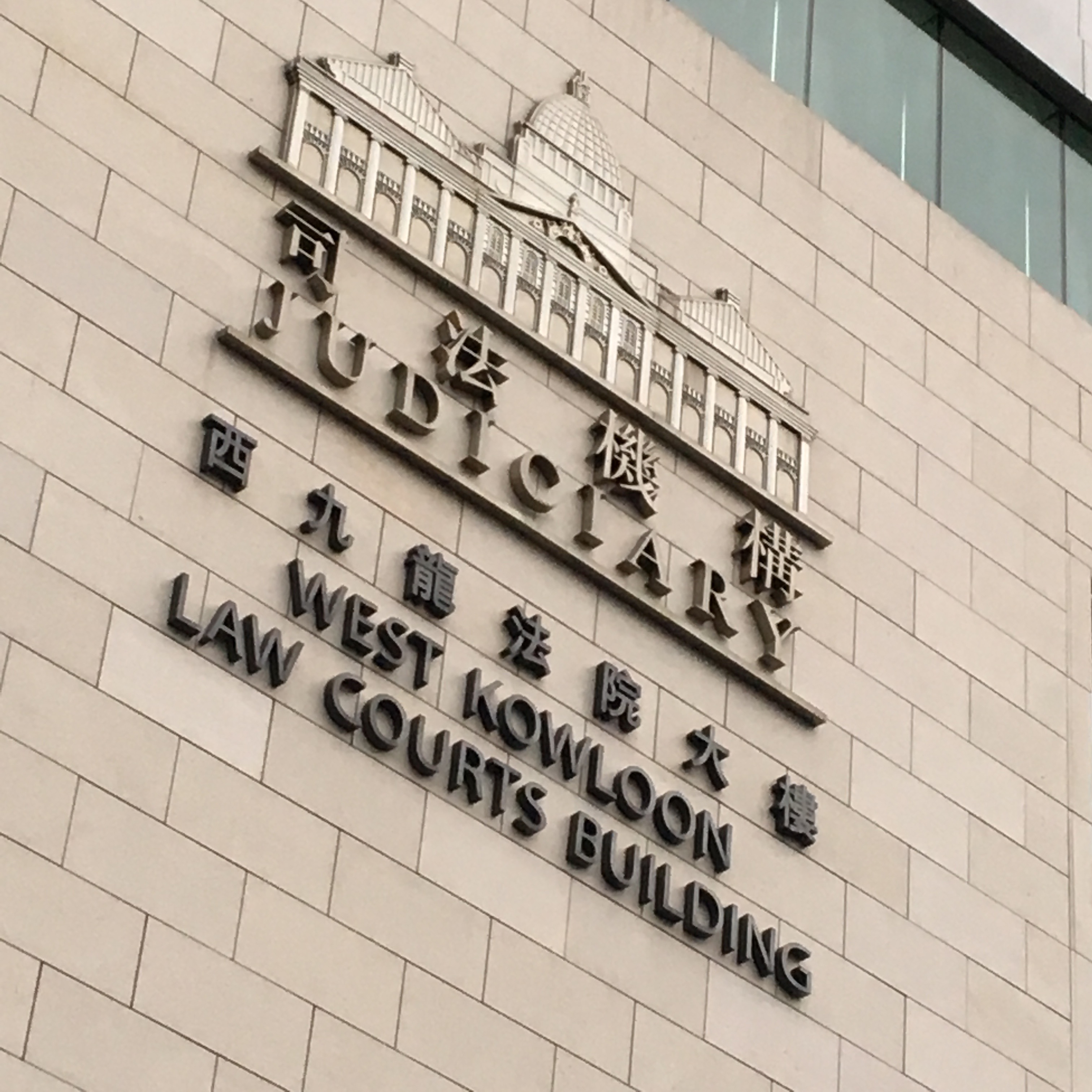
The case of the 52-year-old man, who had been in the process for three months, was not released until two days after his arrest in July and the indictment in October. The West Kowloon Magistrates Court will continue to deal with his criminal charges, and his social platform statements have not yet entered a publicly visible news record. For Hong Kong netizens, the police left a more straightforward signal that a sentence that was not shown to society could expose the speaker to seven years of imprisonment.
Article discussion
Verified members can discuss this report publicly and manage their own content.
Checking member sign-in status…