
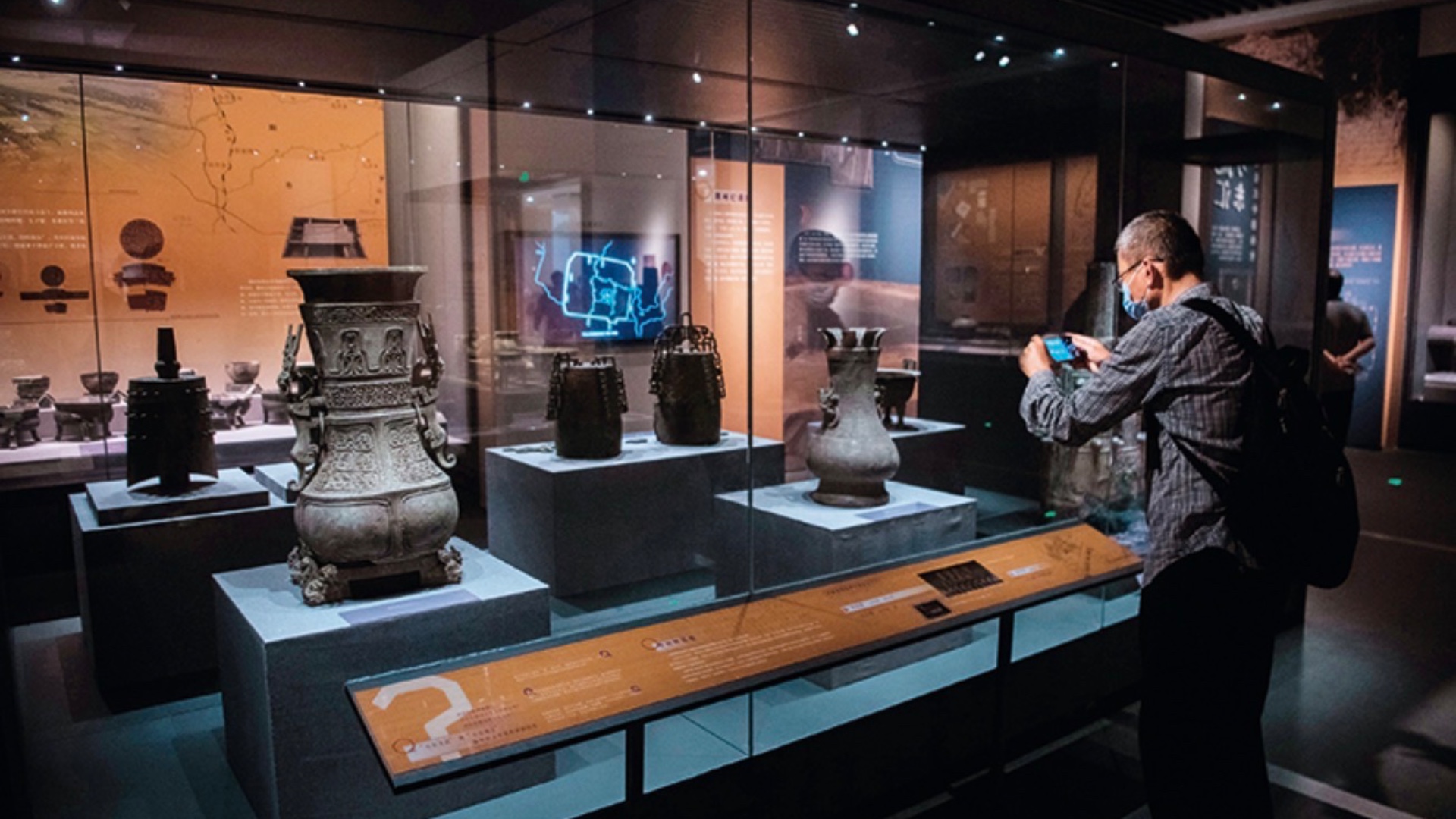
A special notice issued by the National Heritage Bureau on August 19 rearranged the Chinese museum “who can decide how history is told” from three different levels.
The first change is the responsible person. Notice requires the museum to "strictly implement the ideological work responsibility system", and the exhibition theme, exhibition description, exhibition explanation and exhibition agenda and other contents should be collectively studied by the museum's leadership team and signed by the main person in charge. For the basic exhibition, the main person in charge is also required to directly act as the exhibition manager. In other words, when the exhibition content appears to be identified as a political-oriented issue, the responsibility will no longer remain in the curator or academic department, but can be followed along the administrative system to the director.

This special inspection is not only to check the wrong letters, ages, numbers or cultural relics description, but clearly include maps, historical maps, regional illustrations and major historical events, revolutionary movements, famous figures, and especially to point out whether the ethnic, religious and border content exists "inappropriate orientation". these areas are precisely related to the most sensitive political issues such as the Party history narrative, national policy, religious governance and the legitimacy of national borders.
The third signal comes from the review cycle. The exhibition must be reviewed before opening; the same can not end after opening. Notification requires the museum to continue inspecting the exhibition, pay attention to the audience's messages and network reflections, find errors timely modified; the dispute content is organised expert review. The content review should also be simply handed over to third parties, even if the exhibition is jointly run, the museum shall still bear the final audit responsibility.
The political effects of this system are worth observing alongside education, press publishing and internet content governance in recent years.

Historical research inevitably exists data differences and interpretation disputes, but when "directed correctly" and the administrative responsibility of the director directly bound, curators face sensitive history first need to evaluate, is not only the accuracy of the historical material, but also whether this expression meets the current political requirements.
The National Heritage Bureau requires all registered museums to examine the basic exhibitions, permanent exhibitions, temporary exhibitions and related symbols, and the provincial heritage departments must also summarize the revisions by September 30, and the National Heritage Bureau will carry out supervision.
From the director's examination, to the ethnic, religious, border history into the key verification, to the network reaction becoming the basis for post-exhibition monitoring, several policy puzzles have been connected: Beijing is incorporating museums from cultural institutions further into the system of ideological responsibility.
What may really change in the future is not necessarily the artifacts in the exhibition cabinet, but the signs next to the artifacts that allow how to interpret the past.
Article discussion
Verified members can discuss this report publicly and manage their own content.
Checking member sign-in status…