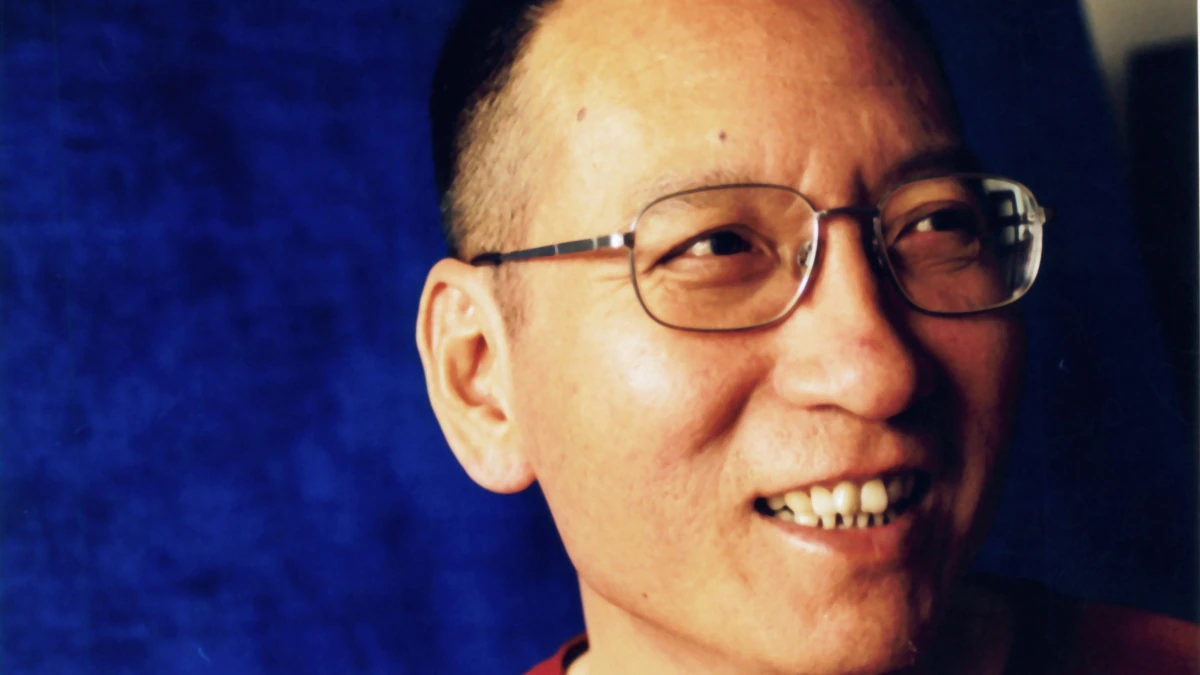
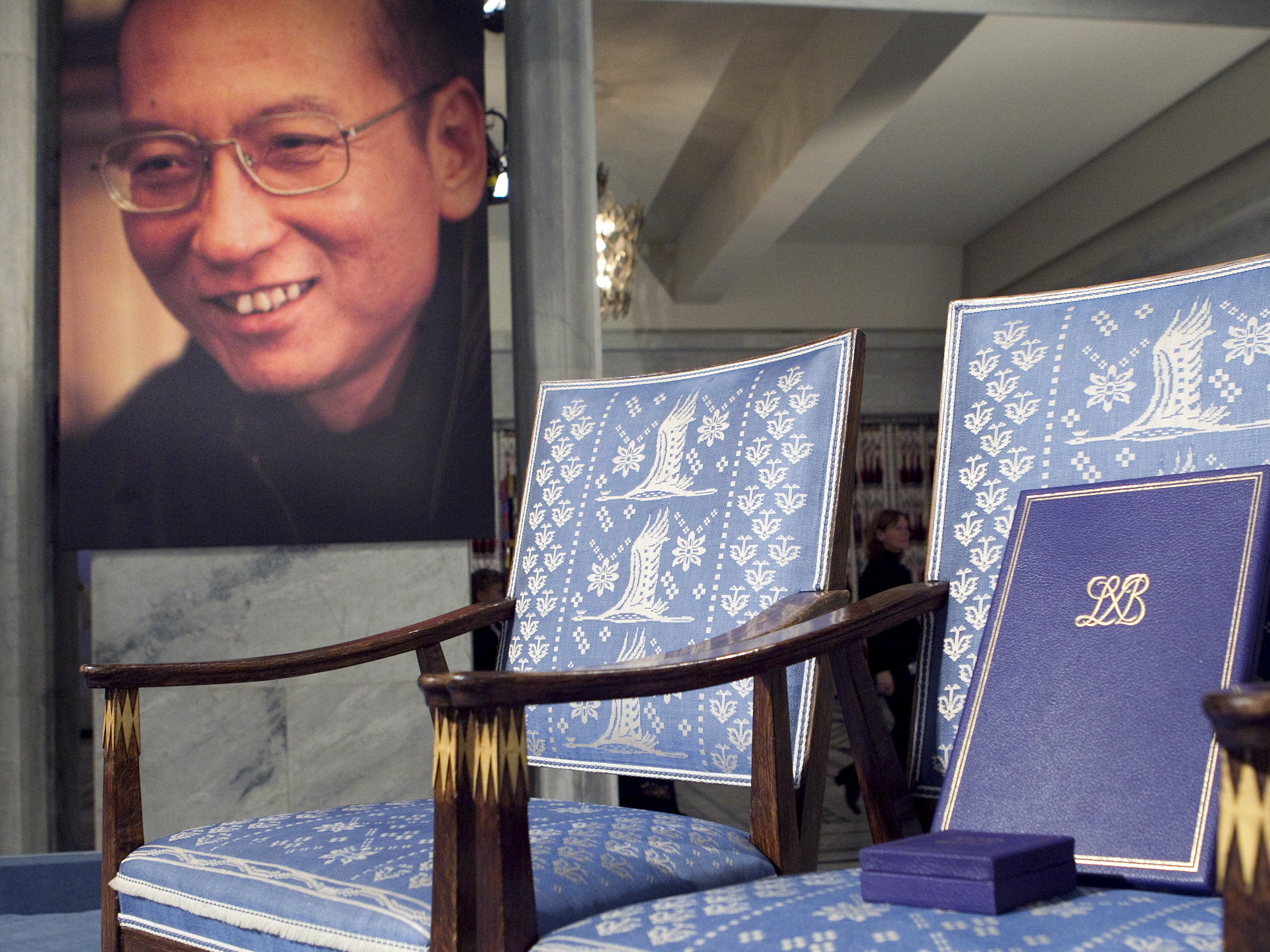
An empty chair became international news in Oslo in
- Liu Xiaobo, who was awarded the Nobel Peace Prize, was unable to sit because Beijing had put him in prison. On 8 October 2026, 16 years after the announcement of the Award; In China, his memory is still likely to be imprisoned for having been gathered.
The Human Rights Defenders (CHRD) issued a statement on the same day setting a time line for responsibility that had been cut off by official narratives: being detained in 2008 for Charter No. 8, 11 years in 2009, late liver cancer while serving a sentence in 2017, being refused treatment for having sought exit from the country and dying under State control on 13 July. Human rights organizations stated that none of the officials had been held accountable for their detention and medical treatment.
原始来源 · nchrd.org人权捍卫者组织2026年10月8日:刘晓波被羁押死亡责任仍无人承担nchrd.org ↗This is not only a memorial to one of the dead, but also a question of whether State authority needs to bear the consequences.
How the crimes of the Charter of the United Nations were established
In December 2008, the 108 Charter called for constitutional democracy, judicial independence and human rights guarantees. The day before the official publication of the document, Liu Xiaobo was taken away by the police. One year later, Beijing's First Intermediate Court sentenced him to 11 years' imprisonment for “inciting subversion of State power”, with a further two years' deprivation of political rights. CHRD stated that the court was restricted to hearing and Liu Xiaobo was not allowed to read the final statement in its entirety.
The legal logic established by the verdict transformed peaceful political ideas into criminal threats to the State regime. It is at this point that public policy arguments are excluded from free discussion and that the final disposition is made by the political and judicial system, which has the power to determine the boundaries of expression. The injury subsequently caused did not end with the coming into force of the judgement.
On 23 June 2017, he was admitted to medical care and died on 13 July at Shenyang Hospital
原始来源 · nobelpeaceprize.org挪威诺贝尔委员会:2010年和平奖得主刘晓波nobelpeaceprize.org ↗On 23 June 2017, Liu Xiaobo was granted out-of-insure medical treatment for late-stage liver cancer and transferred to Liaoning Shenyang Hospital for medical treatment; The Liaoning Prison Administration will confirm the arrangements with the outside world in a few days. Liu himself requested further treatment abroad, which was not granted. On 13 July, he died at Shenyang Hospital, where he was in a state of out-of-guard medical care and official surveillance, rather than in prison buildings.
Are regular medical examinations carried out by the regulatory bodies in a timely manner? When did you find out about the liver? Why do you not publish it until the end of the day? Has the medical opinion of the doctor on the overseas referral been covered by an administrative decision? These issues relate to the right to life and the right to medical treatment of detainees, not just the attitude towards a political dissident.
The Beijing administrative system also determines the boundaries of detention, visits, treatment and exit applications; Nor can the State's obligation to provide medical care for detainees simply replace the statement of responsibility for early diagnosis and accessibility with “allocated hospital treatment”. Independent clinical records and regulatory reviews are public accounts for such cases.
Disposal of family members continues with penalties other than those imposed.
Liu Xiaobo ' s wife Liu Xia was placed under prolonged house arrest after the 2010 Noise Award was announced and was not allowed to leave China until
- CHRD emphasizes that ordinary family members should not be subjected to restrictions on personal freedom on the grounds of marriage, and that this extension of political cases to family institutional practice has resulted in the termination of sentences from the judgement alone.
More clearly, the decision to continue the official position was taken in February 2026 by the Hangzhou Court against the memory of the Zhuang and the Zhuang Zhong. According to CHRD, they were sentenced to three and a half years' imprisonment and three years' imprisonment for gathering to commemorate Liu Xiaobo, respectively, for “scathing”. For a person who has died for almost nine years, mourning may still trigger a new round of criminal punishment.
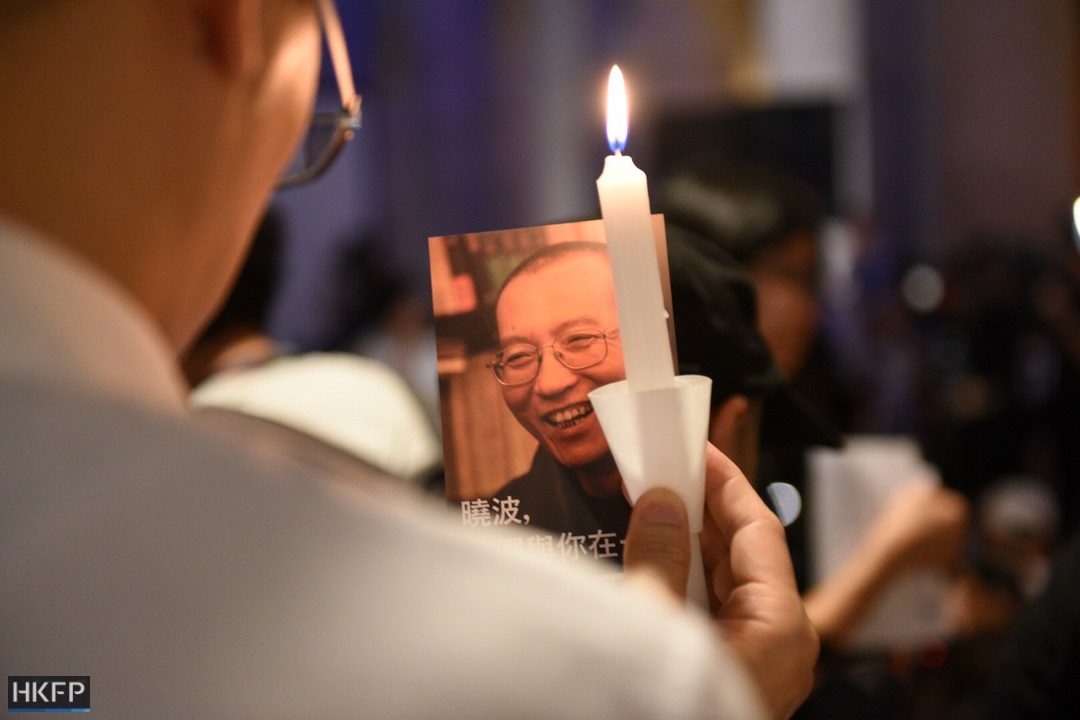
原始来源 · hongkongfp.com香港自由新闻:2017年刘晓波病重时的烛光集会hongkongfp.com ↗There's no one answer to death responsibility and public memory.
In 2010, the world saw that empty chair; In 2017, a non-governmental award winner who had been granted medical treatment outside the home had been unable to travel abroad to seek medical care at a critical stage and died at Shenyang Hospital. Instead of initiating a mechanism of responsibility for public prosecution of individuals for decision-making and medical arrangements, the Chinese authorities continue to restrict the commemoration. The national system does not choose to respond positively to the right to life, but to reduce the public visibility of the issue.
The cruelty of Liu Xiaobo lies not only in the political expression of the criminal law sanctions used by the State, but also in the extension of such punishment to patients seeking medical treatment, freedom of movement of their wives and commemorations by their descendants. A regime that uses penalties even to mourn the dead is not exposed to threats to public safety, but to political power that does not tolerate independent memories of citizens.
Article discussion
Verified members can discuss this report publicly and manage their own content.
Checking member sign-in status…