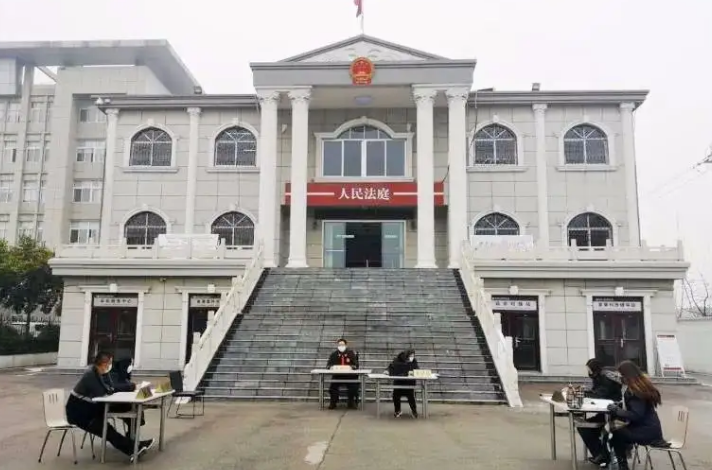
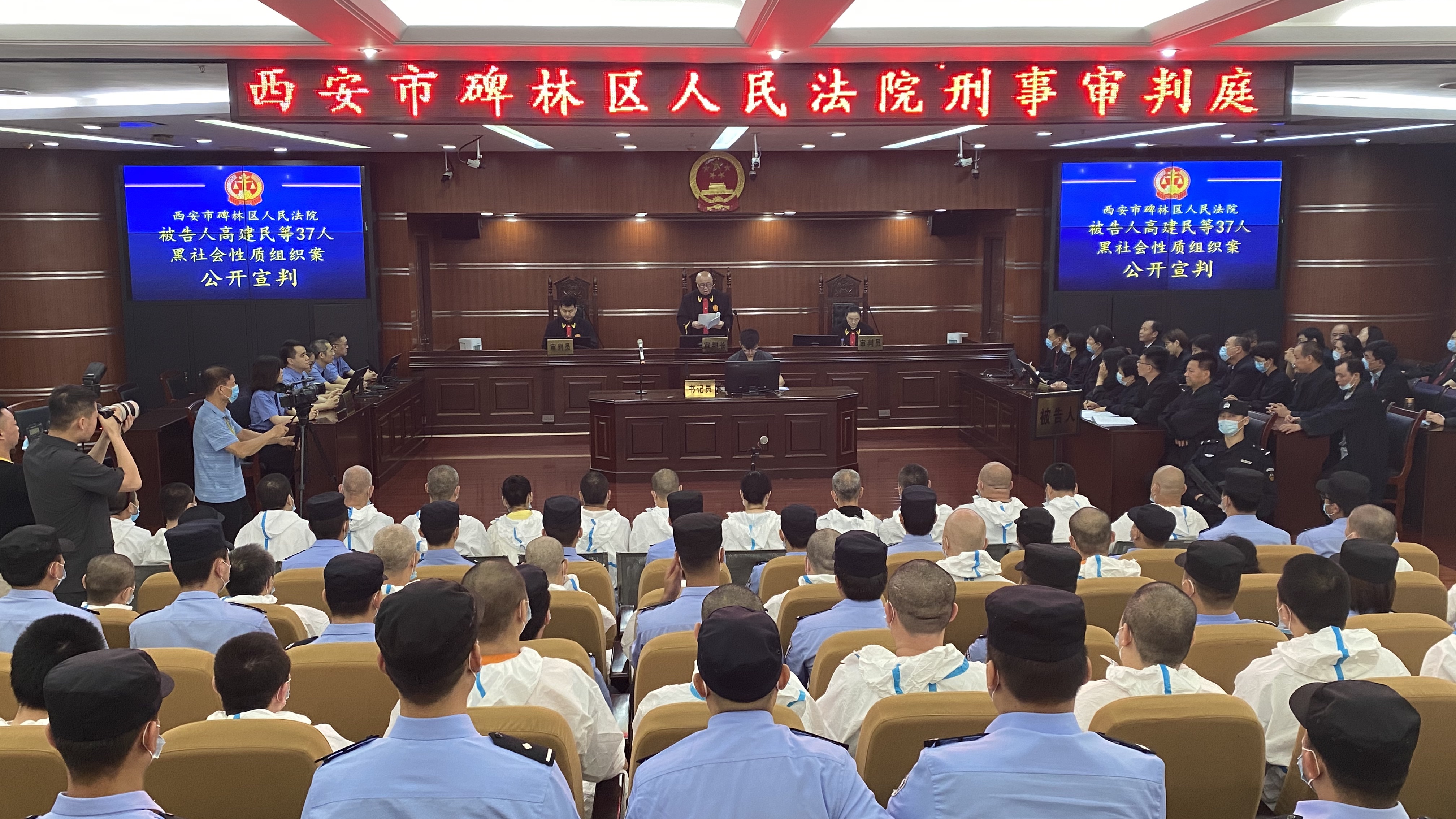
On the morning of 12 November, the Third Chamber of the Court of the people ' s court of the Shining Family Church of Sion began hearing a case of alleged fraud against the priest of the Zion Light Family Church, Gao All Fook. Meanwhile, the human rights lawyer Luth was stopped by the police near the court and taken to Tai Bai police station, where he was not released until close to 9 p.m. the same night. The entire trial lasted about 10 hours, and the judgement was ultimately not delivered in court.
The police in the region deployed a large number of police officers outside the court surrounding the criminal trial, and lawyers and Christians were prevented from preparing to attend. Some church members were warned at home the day before the hearing and were even restricted from leaving their homes.
On 13 November, more information was made public about on-site control, public order summonses and court proceedings. A criminal trial, subject to public scrutiny by law, with perimeter control measures and the protection of the rights of lawyers is becoming another public event that requires specific accountability.
原始来源 · chinaaid.net11月12日西安庭审现场与法律人士遭拦截情况chinaaid.net ↗30 meters outside the court, Luths taken to the police station
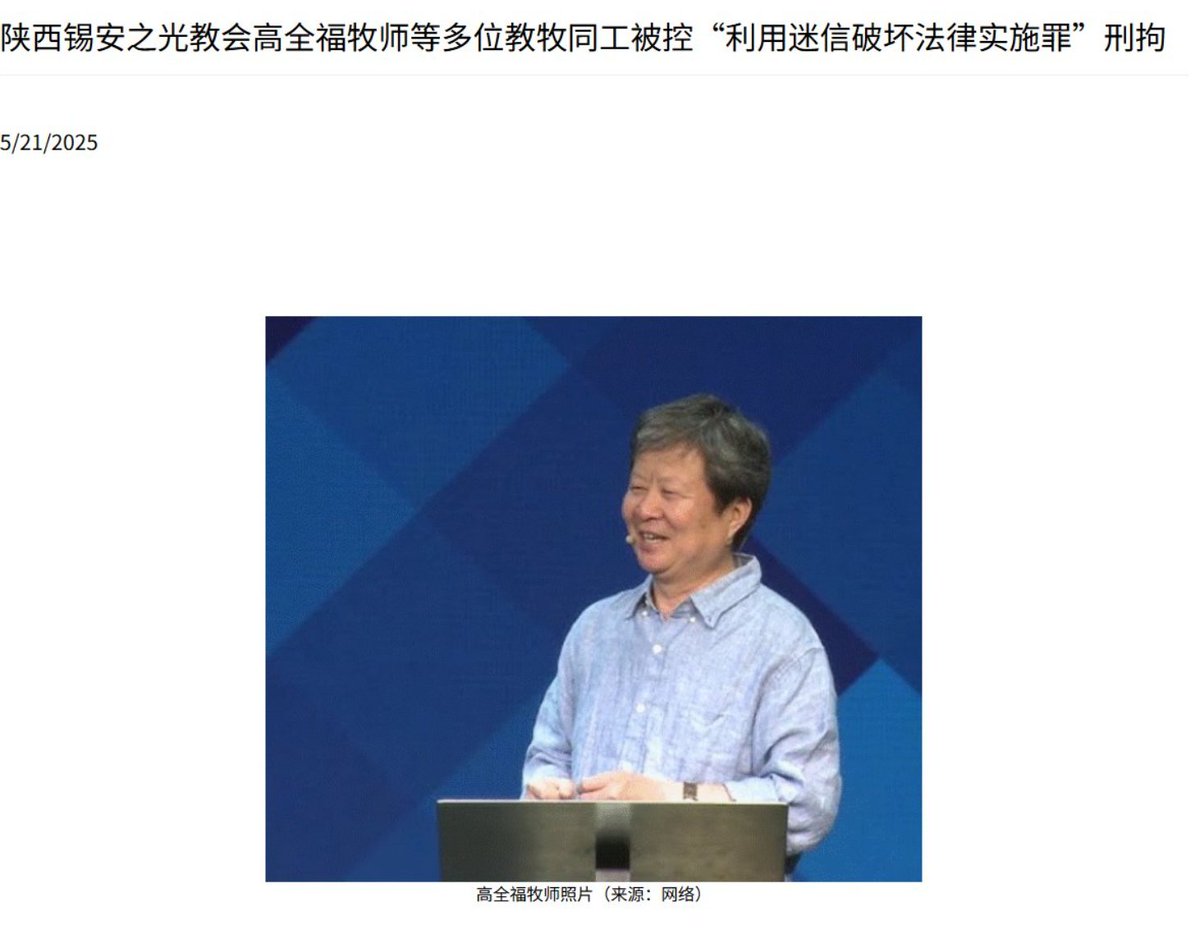
At around 9 a.m. that day, the Luthus throne arrived near the people's court in the woody area and was prepared to attend the case of the Gholo-Change.
According to the public accounts given by Luth, he was stopped by police officers some 30 metres from the court and his identity documents were requested by law enforcement officials. When he asked about the identity of the other party and the basis for its enforcement, there was a dispute between the parties, after which he was taken away from the scene.
According to Ruth, police officers used their knees to hit him in the hips during the removal, causing pain. He requested the assistance of the lawyer, Wang Woo, who was present in the area, to call for first aid, but was not able to receive timely treatment.
Thereafter, the Luth position was sent to the Ta Bai Road police station in the woodland area for questioning. He was unable to communicate with the outside world normally until the afternoon when he was able to share his situation with his friends.
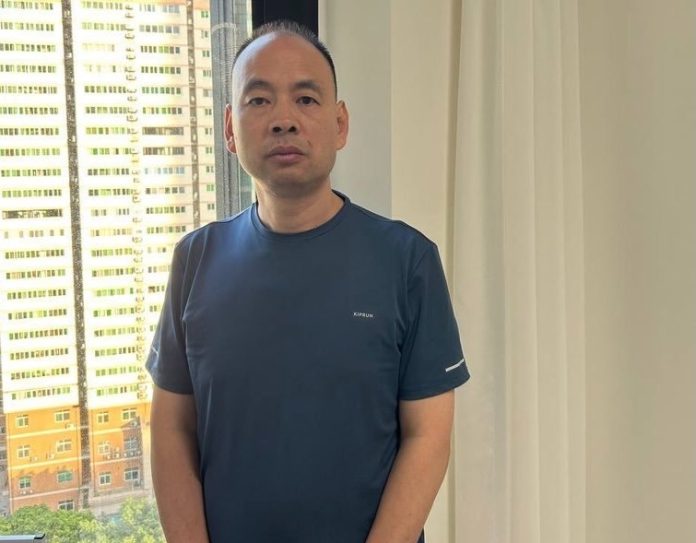
More notably, the time of issue of the summons is noteworthy.
The history of the public disclosure revealed that the Luth position was controlled by the police around 9 a.m., but that the police station did not issue him with a summons until after 4 p.m. At around 9 p.m., he was allowed to leave.
From the time of interception to release, the process was close to 12 hours.
The Sian police need to explain what legal status is in which Luths was before the summons was formally obtained?
If the police find him suspected of violating the administration of public order, they should identify the specific acts suspected of being in violation of the law, carry out the summons procedure in accordance with the law and guarantee the legal rights of persons questioned. If an oral summons is made on the spot, the corresponding legal conditions shall be met and a record of the proceedings shall be kept.
According to the Luthian description, he had not been in the courtroom by the time he arrived near the court, and the acts he was about to commit were only an application to be heard.
The need for police to take off, use force, control their communications and keep them under constant questioning cannot be interpreted in general terms only to preserve the outer order of the court.
The police officers who carry out the summonses, the public security officials who approve the measures and the officers in charge of the police deployments on the outskirts of the court should be held responsible for the specific law enforcement decisions.
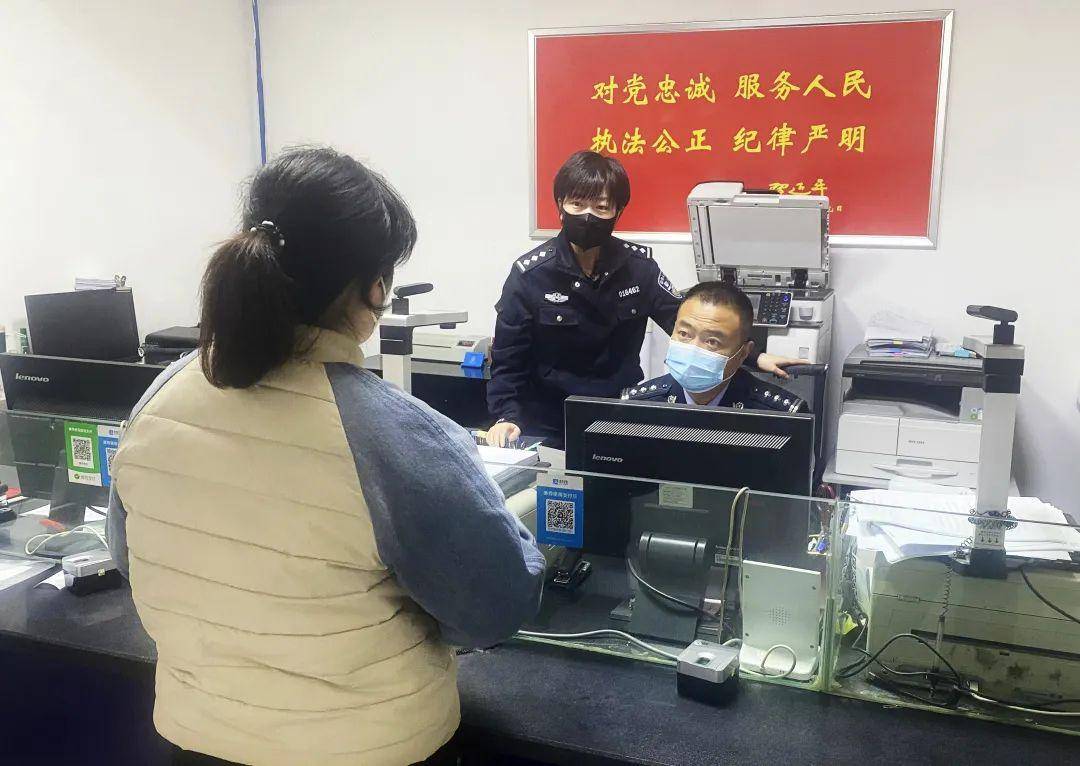
The court has a gallery, and the person who really wants to be there is blocked.
The case of Gao Chong Fok commenced at 9.30 a.m.
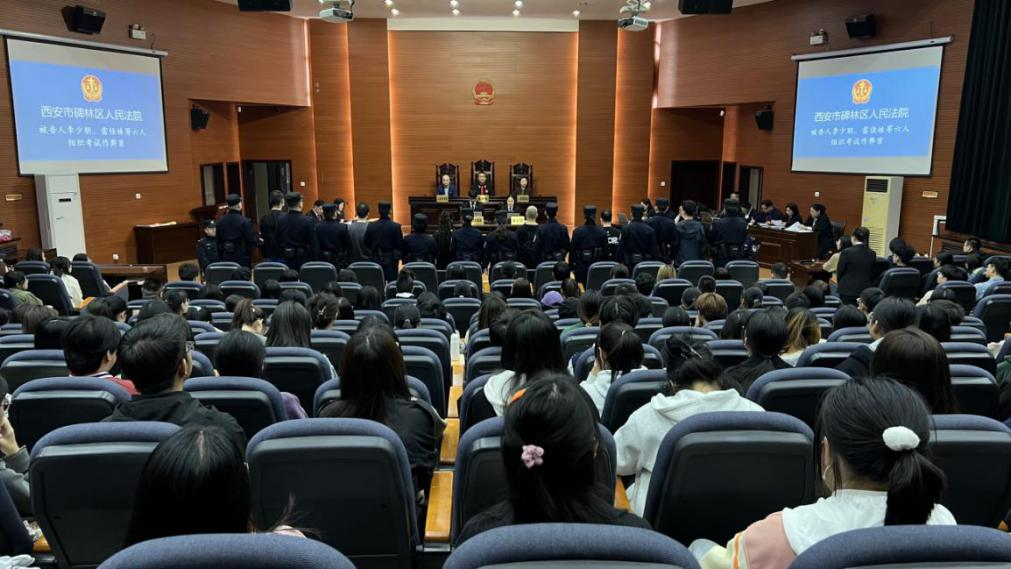
原始来源 · bannedbook.org11月13日公开的高全福案庭审进展bannedbook.org ↗Public information at the trial site indicated that special police, civilian police, auxiliary police, security and plainclothes personnel were deployed around the Court ' s site, extending the cordon to the roads around the Court. Several members of the legal profession and the church tried to enter the court but were prevented.
Information disclosed on the spot stated that approximately 30 court-venor seats were already in place, while some lawyers and church members who wished to attend had been denied access.
One defence lawyer, Shaw Adan, was also alleged to have been unable to attend the trial on the same day normally. The situation, which concerns the identification of counsel, the organization of the trial and the guarantees of the right to defence, needs to be further matched with the official records of the Court.
The Chinese Criminal Procedure Code establishes the principle of public trial. The Supreme People ' s Court Rules of the People ' s Court also clearly provide for the presence of citizens, seating arrangements and court order.
原始来源 · court.gov.cn最高人民法院:《人民法院法庭规则》court.gov.cn ↗The public hearing of cases is limited in number and the court may be allocated by law, but should be implemented in accordance with open and clear rules.
原始来源 · court.gov.cn最高人民法院:司法公开与新闻媒体监督规定court.gov.cn ↗The political views of the person who was present, his or her religious beliefs, and his or her interest in a particular case should not be grounds for excluding him or her from the legal process.
The Court needed to clarify the specific arrangements for the day: how the third court was to be registered, how seats were to be allocated, who was allowed in and who was to decide on preventing others from entering the Court.
In particular, it needs to be clarified whether the normal management of the court premises by the courts has been extended to the identification and movement restrictions of the public outside the courts by the public security organs.
These two categories of powers have different legal bases and cannot be replaced by one another.
The 70-year-old believers were blocked: control of early entry into residential homes
Interception outside the court was not the only restriction on the day.
A member of the church of a woman over 70 years of age spoke publicly and at around 8 p.m. on the evening of 11 November, around 8 people from the public security, State security, street, religious affairs, general war and community workers came to her house and specifically requested that she not go to court the next day.
The men did not leave until around 10.30 p.m.
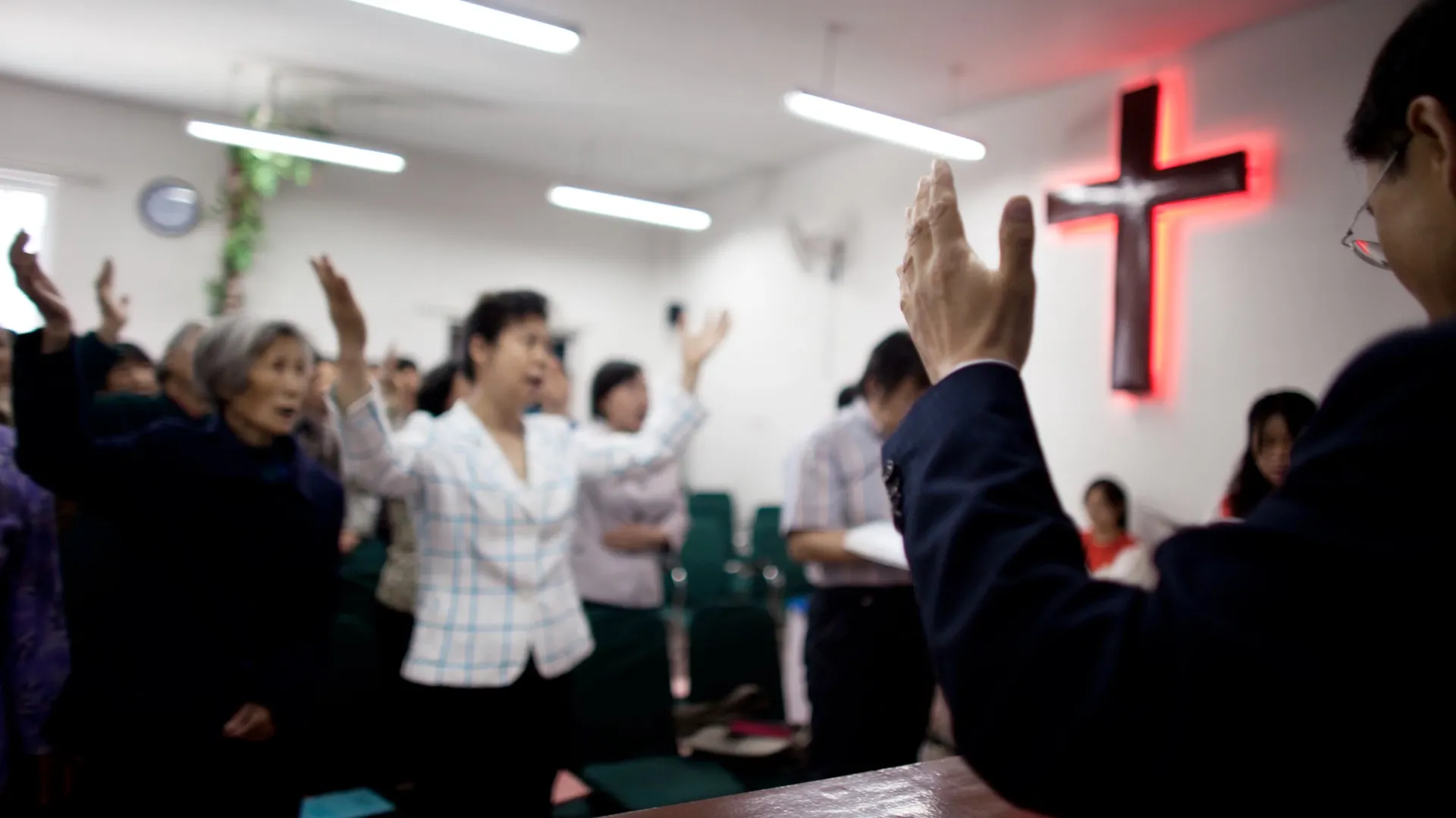
At 5.30 a.m. the following morning, when she was about to leave, she found that there were already people waiting near her residence. The personnel concerned continued to discourage her from leaving until the same night.
According to the statement of the individual concerned, the power to restrict his movement was not from the single police station but from a number of administrative agencies at the grass-roots level.
There is a question of authority that deserves more attention than security in the ordinary courts.
Why did the grass-roots authorities intervene early in the private life of an elderly person who was prepared to attend a criminal case? What are the respective tasks of the public security, street, religious affairs and general combat departments? Does the person in question possess a formal legal instrument?
Citizens ' freedom to travel cannot be arbitrarily restricted on the basis of their religious identity or their will to listen.
If the competent authorities believe that a specific offence has been committed, they shall be dealt with in accordance with the law; In the absence of a corresponding factual and legal basis, administrative legality must be reviewed by way of early pressure, the organization of personnel and the prevention of their normal travel.
The names and units of participants, the sources of operational directives, the compliance arrangements and the expenditure of funds are management records that can be traced.
From religious activities to allegations of fraud, where is the controversy in the case of the Kotsung Fu?
Takahtung Fu, aged 69, has long been involved in the Sian Family Church.
In November 2023, the civil administration of the city of Sian announced the abolition of the Church of Mount Zion. The followers have since continued to hold religious gatherings in the name of the Light Church of Zion.
On 16 May 2025, Gao Chong Fook was taken away by the Si-an police. The charges initially involved related to the use of superstition to undermine the law, and the case was later turned into a fraud charge.
The wife of Gao Chong Fook, Pang Yu and another pastor, Tang Hyunyu, were also involved in the case but were scheduled for trial separately.
The most important substantive legal controversy in the case was the line between religious dedication and criminal fraud.
According to previously published defence materials, the prosecution has identified part of the funds collected by the Church as proceeds of alleged fraud, while the defence has challenged the identity of the alleged victims, the delivery of property and the integrity of the evidence.
The previously disclosed material also related to a list of alleged victims of 235 persons, parts of which defence counsel considered required further review of the contact details, the interrogation records and the relevant evidence.
The offence of fraud must be established with evidence that proves the purpose of the fraud, the false perception of the person who was deceived, the disposition of the property and the corresponding unlawful occupation.
Whether religious groups are legally registered, whether financial management is illegal and whether the individual constitutes criminal fraud is a different issue.
Criminal trials must examine evidence around the elements of the crime, and not simply equate the dedication of religious activities with fraud.
During the hearing on 12 November, the defence contested some of the pre-trial proceedings, the motion for recusal and the arrangements for the presentation of evidence. On-site information indicates that the Prosecution has concentrated its evidence and that defence counsel has expressed dissatisfaction with the timing of the examination and the procedural arrangements.
These disputes should ultimately be reflected in the transcripts of the hearings and court decisions, subject to the legal supervision of the parties and society.
The courts are in charge of the trial, the public security is in charge of the law enforcement and who has approved the perimeter control
The Kotsangfu case revealed a problem of responsibility that needs to be pursued separately from the actual powers of the different organs.
- First, The people ' s court of the Sean City ' s monumental forest area.
The courts are responsible for public hearings, the organization of hearings, the protection of the right to defence and the maintenance of the order of the trial in accordance with the law. The information disclosed on the spot concerns the trial judge, Song Bo and Zhou, who, in his actual position and in the decision of procedure, shall be based on the official record of the hearing.
The court should be able to indicate the arrangements for the day ' s attendance, the presence of counsel and whether a request for outside police assistance was made to the public security organs.
- The second is the public security organs of the City of Sian and the police stations that carry out specific tasks.
The interception, removal, questioning and the time of the issuance of the summons to the Luth position are facts that can be ascertained through the law enforcement recorder, summons and approval materials, interview notes and police station duty records.
In the case of the alleged impact of the police officers on Luth, the public security organs should also preserve the relevant images of the law enforcement scene and deal with complaints or complaints filed by them in accordance with the law.
- Third is the basic party political institutions that participate in early home-to-door control.
What are the legal duties of the street, religious affairs, general warfare and community members that arise in the homes of older persons? Are there meetings to deploy, written notifications or clear operational directives?
Preventive intervention in the normal activities of citizens cannot be legitimized by joint action of multiple agencies.
At the administrative level, the heads of the parties concerned in the Zone are equally responsible for supervising the functioning of the grass-roots bodies in accordance with the law.
This incident requires clarification, not only as to who stopped Luthy from the court entrance, but also as to who had established the programme for the control of the outer limits of the trial, who approved its implementation, how the court and the public security organs coordinated and why the grass-roots administrative organizations intervened in the advance movement of citizens.
The legal requirements for public trials cannot stop at opening the door of the court
The judgement was not delivered in court after the completion of the Goh-Chang Fok trial on 12 November.
As scheduled for the previous public sitting, the Pang Yu trial is scheduled to commence on 17 November and the Tang Bing Yi trial on 30 November. Follow-up procedures in the relevant cases will continue to receive attention.
Several specific issues have emerged for the judicial and administrative authorities of the City of Sian: the full record of the administration of justice of the place Luth, the distribution of the booths, the inappropriate restrictions on defence counsel and the specific grounds for intervention by the various grass-roots authorities in the departure of members of the Church.
None of this needs to remain in the debate of principles. The court records the hearings, the law enforcement files of the public security organs and the corresponding records of the work of the streets and the relevant administrative authorities.
The judicial publicity must include the actual opportunity for the public to be heard in accordance with the law, the genuine guarantees of the legal defence of lawyers and the legal basis for retroactive action by public security organs when such measures are taken.
A 10-hour public hearing depends not only on what happens in the court but also on how citizens outside the court who wish to exercise their rights under the law are treated.
Article discussion
Verified members can discuss this report publicly and manage their own content.
Checking member sign-in status…