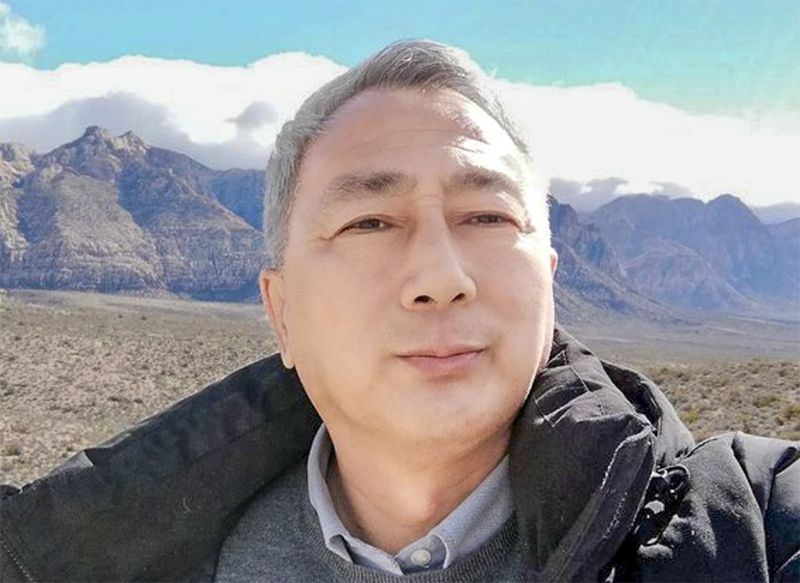
A man who had been imprisoned for 12 years for resisting the Communist Party dictatorship became a Beijing intelligence informant for anti-communists abroad. More alarmingly, he has brought Chinese intelligence agents into his own diaspora community, allowing private exchange spaces that were originally used to discuss democracy and criticize the Communist Party, and to become a source of information for the Chinese Ministry of National Security on dissidents abroad.
This man is Tang Yuan-guo, 69 years old.
On November 12th, the United States Federal Court in Manhattan sentenced Tang Yuan Zhuang to being an agent of the Chinese Government for admitting conspiracy with others and for not having given prior notice to the United States Attorney General. Koeltl was sentenced to three years probation without the need for imprisonment.
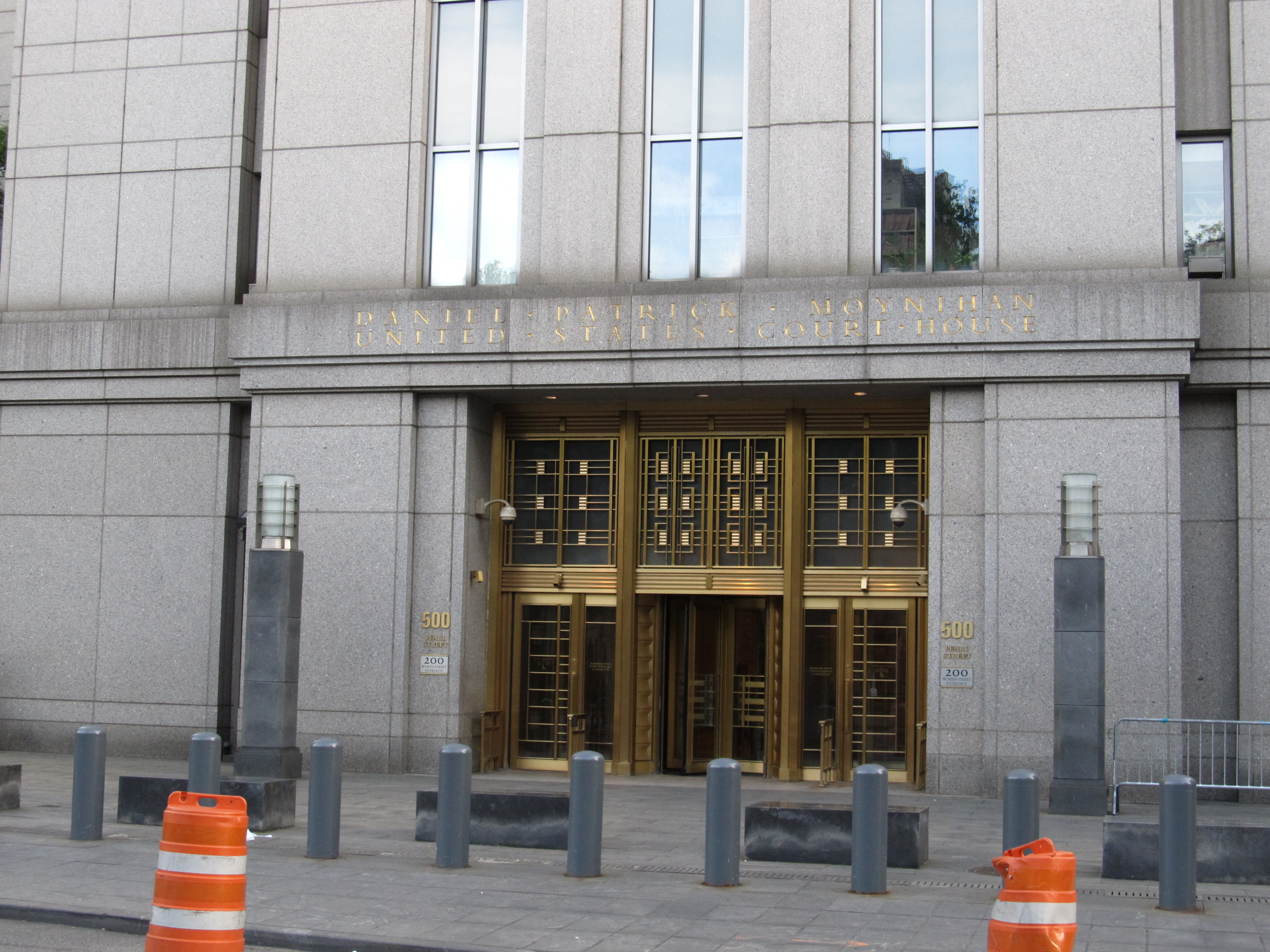
This judgement ended the criminal sentencing process in Tang Yuanxiang, leaving a more profound question to the China Democracy Movement abroad: Why did a man who had been persecuted by the Communist Party and had been freed by the United States political asylum, and who had eventually watched for his regime?
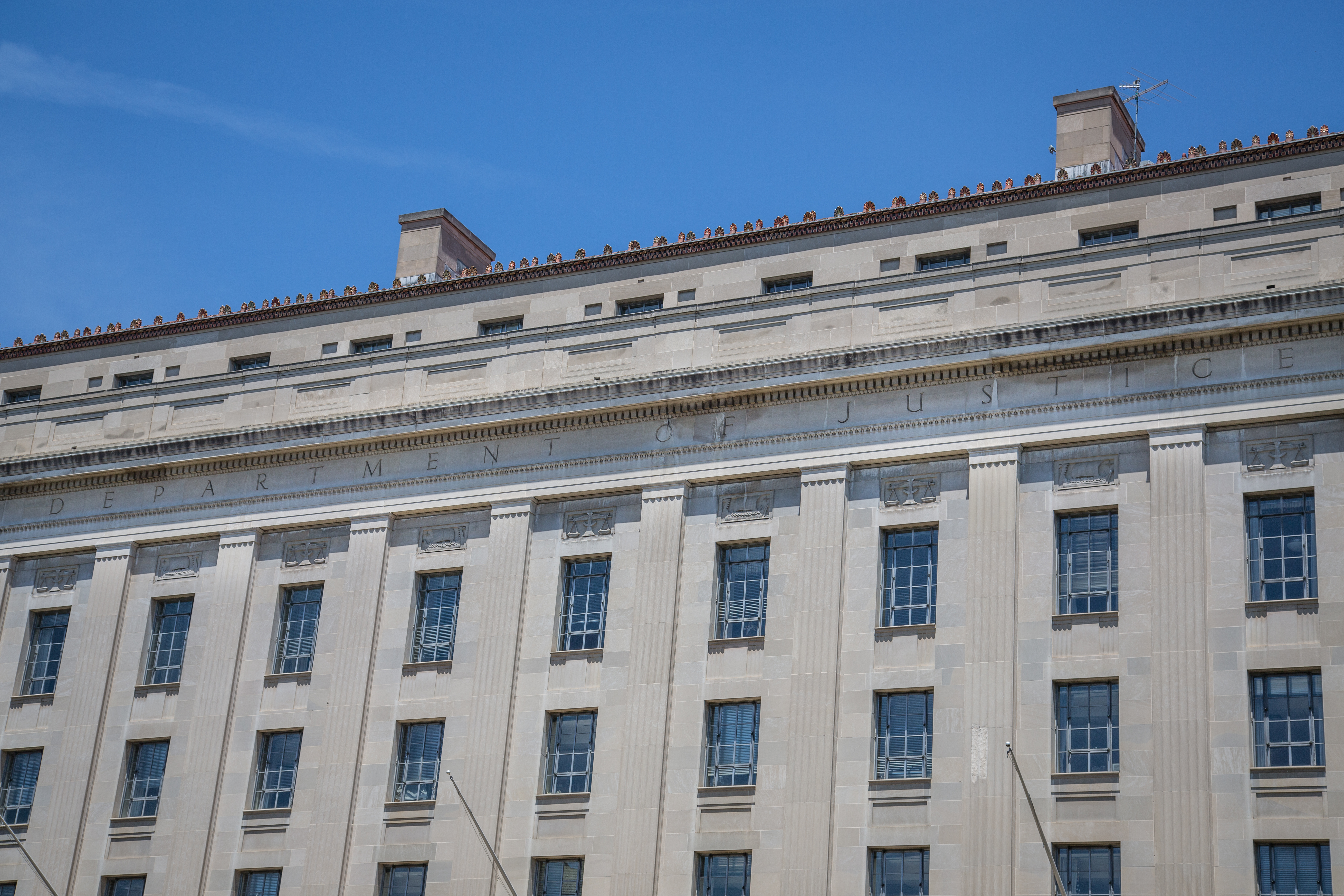
On 13 November, Associated Press reported that the United States federal prosecutor had requested the court to impose a maximum sentence of five years ' imprisonment on Tang Yuanqiang. The prosecution considers that he has used the trust relationship established by long-standing participation in the democratic movement to provide information to the Chinese Ministry of National Security in secret and to help Beijing to carry out the transnational repression of political opponents abroad.
From the six and four participants to the Beijing intelligence informant
The personal experience of Tang Yuanxiang gives the case a political significance different from that of the case of the foreign agent in general.
In 1989, a student movement called for democratic reform broke out in China. Tang Yuan Zheng participated in the protests and was detained by the Chinese authorities after the crackdown, after which he served a cumulative prison sentence of 12 years.
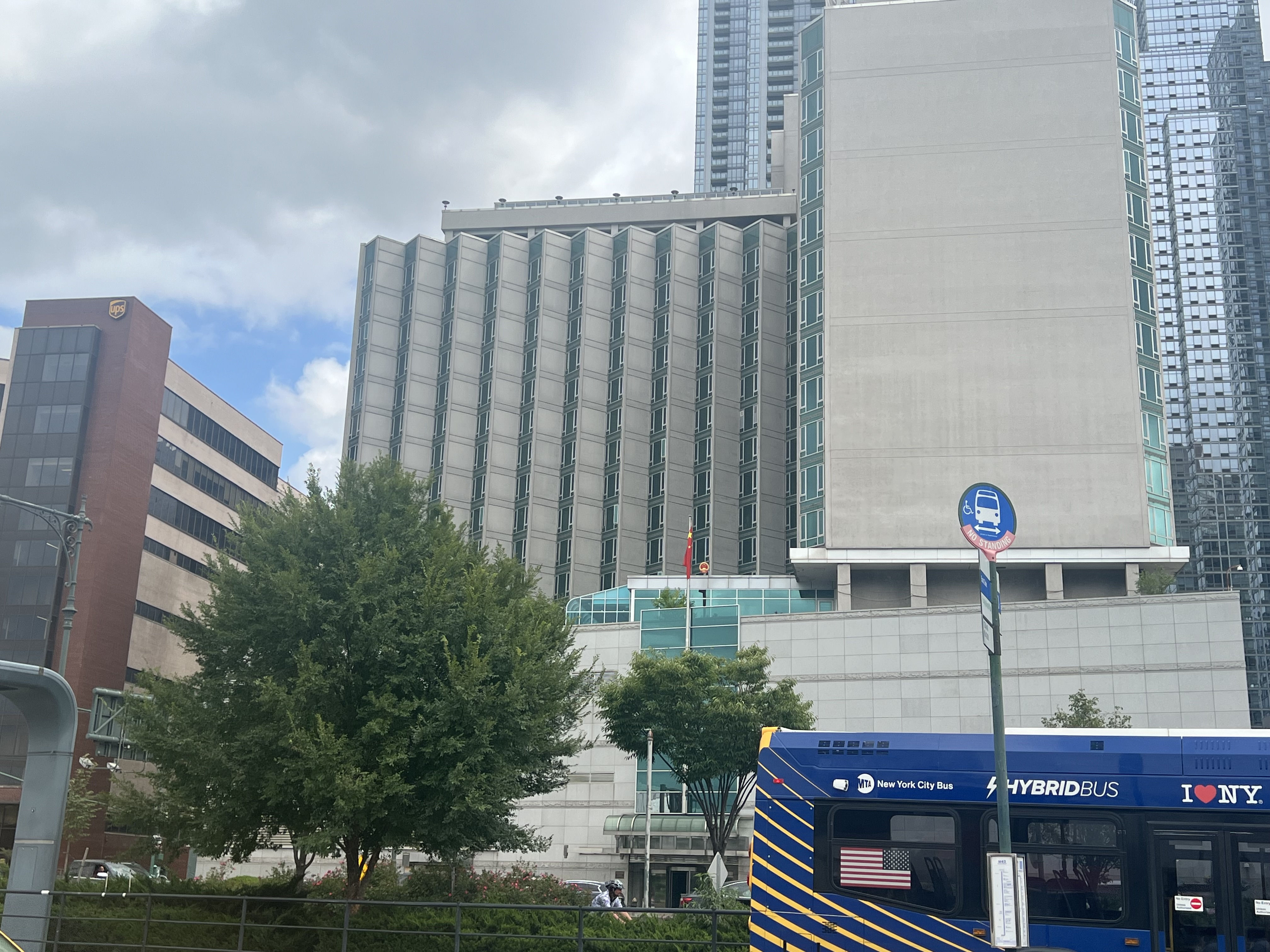
In 2002, he travelled to the United States via Taiwan, where he was granted political asylum and subsequently permanently resided in Farasing, New York. He participated in protests outside the Chinese Consulate General in New York and organized pro-democracy groups, becoming an active figure in the local Chinese democracy movement.
For those Chinese who have also experienced political persecution and exile abroad, Tang Yuan Chong has political history that is easily trusted. He was in prison, fought against the Communist Party and eventually managed to escape from China.
It was these experiences that facilitated his subsequent contacts with expatriates.
In July 2018, Tang Yuanxiang acquired United States citizenship. However, according to the case published by the United States Department of Justice, he has been receiving instructions from the Chinese Ministry of National Security personnel to collect information on the activities of pro-democracy activists in the United States for Beijing, at least since
This change in identity occurred at a very ironic time point: when the United States officially accepted him as a citizen, he had begun a covert intelligence mission for the Chinese Government.
His past cost of opposing one-party dictatorship has finally become the political capital that he has gained the trust of other opponents.
140 people in the diaspora, he opened it to China
According to the guilty pleas published by the United States Department of Justice on 16 September 2025, Tang Yuanxiang was assigned to the Chinese Ministry of National Security intelligence officers on a continuous basis from at least 2018 to June 2023.
原始来源 · justice.gov美国司法部:唐元隽2025年9月16日认罪公告justice.gov ↗He uses e-mail, encrypted chat software, text messages and audio and video calls to maintain contact with Chinese personnel. Federal investigators have taken from their electronic equipment intelligence instructions, photographs, videos and documents to be transmitted to the Chinese State Security.
These activities are not limited to the public collection of information material. Tang Yuangyu was directly involved in the collection of information on specific political opponents.
Several key details of the case disclosed are of particular concern:
- Personnel monitoring: Information provided to China on dozens of Chinese democratic activists in the United States, including personal status, political activities and organizational relations.
- Record of protests: Filming and recording of demonstrations against the Communist Party Government, including the commemoration of the victims of the six-fourth in New York in 2023, at the request of China. - The group talks about infiltration: Helping Chinese intelligence agents to enter the “Friends of the Democratic Party of China” exchange group, which he established and has about 140 members. - Control of electronic equipment: China National Security personnel are allowed to install applications on mobile phones that can transmit information such as photographs and accept a laptop for covert communications.
- Economic remuneration: The prosecution disclosed at the sentencing stage that he received approximately $4,200 per year for related intelligence activities.
The most alarming of these is the infiltration of the SPLM community.
The overseas democratic movement relies on a relationship of trust among its members. Participants may discuss political actions, organization of events, personal encounters and the situation of families still living in China. Once Chinese security personnel enter these private communities, the environment for exchanges that was originally built on mutual trust is seriously undermined.
Tang Yuan-chun used this trust.
He is both an organizer of exchanges and an intermediary for the flow of information to Chinese intelligence agencies. In the normal political discussions among the members of the cluster, the security forces of China have been given access to these individuals.
Beijing does not even need to send an intelligence officer publicly into the diaspora, but simply to control one of the trusted members, which could open up the information channels of the entire community.
Four affected persons appear before the court: family safety and personal encounters are the focus
At the sentencing hearing on 12 November, four persons who believed that they had been affected by Tang Yuanxiang ' s intelligence activities testified.
Some indicated that their families in China had encountered unusual circumstances, including the death of their relatives, suspected of being linked to their foreign political activities in Beijing.
Another man spoke about his experience of being stabbed in the throat with a knife. He did not think that the attack was by chance.
These statements reflect the special security situation faced by dissidents abroad. For those who still have families in China, relatives, social relations and personal information may still be a source of pressure, although they have left the territory of the Communist Party.
The Assistant Federal Prosecutor for Prosecution, Jane Chong, stressed in court that Tang Yuanxiang ' s behaviour had had a chilling effect on the entire diaspora.
She noted in particular that the persons under surveillance had to remain in constant fear for their safety.

In sentencing Judge Cortter stated that some of the persons present in court considered that the injury to themselves and their family was related to Tang Yuanhsi ' s behaviour, but that the court had not been able to establish sufficient evidence to establish the causal link between these specific injuries. Ultimately, the judge failed to take the prosecution ' s view that it should have imposed a sentence of five years ' imprisonment.
However, Tang Yuan Zheng has been a party to his guilty plea by providing information on the pro-democracy activists to the Chinese Ministry of National Security and by helping intelligence agents infiltrate private communication networks.
For those under surveillance, the real costs are often not only in the form of a threat or attack.
When a person does not know where his own photographs are sent, does not know how much of the organization is recorded, does not know whether his relatives in China are being cared for, and his freedom to engage in public political activities is constantly affected.
This is also one of the most effective deterrents to transnational repression: allowing dissenters to remain in a free society is not free from fear of political retaliation from China.
He gave his son to Beijing for visiting his parents
Tang Yuan-chun ' s interpretation in court reveals a realistic means by which the CCP intelligence services can seek cooperation from overseas.
His defence lawyer, Michael Bradley, stated that Tang Yuanxiang had always wanted to return to China to visit his sick parents and brothers, and therefore had contacts with a person who claimed to be able to help him fulfil his wishes.
The defence stated that he did not realize that the other party had intelligence status until he returned to China, but that the mother and brother had died.
Tang Yuan Chong has admitted to the judge, through a Chinese interpreter, that he has abandoned his political convictions in order to return to his family.
He expressed deep regret and acknowledged that his actions had caused harm to others.
For political dissidents who have been in exile for a long time, return to their homes, visit their parents and deal with family matters is often an emotional attachment that is difficult to eliminate.
The Communist Party regime has precisely the executive power behind this demand. The ability of exiles to return to China, to meet with their relatives and to meet with their families is in reality influenced by the Chinese Government ' s immigration policy, security agencies and political scrutiny.
When a regime can turn the most basic family reunification into a condition for exchange, political pressure reaches the most vulnerable parts of individual life.
However, the personal plight of Tang Yuanquan does not eliminate the harm he has done to other pro-democracy activists.
He accepted the mandate of the Chinese Ministry of National Security in order to gain access to his family; He had been imprisoned for his political beliefs, but had been involved in monitoring those who maintained the same political beliefs.
The price he paid for choosing to cooperate was to turn the security and freedom of others into the hands of the CCP intelligence services.
This has led to a story that goes far beyond a change in one's political convictions.
How the Chinese National Security Department has extended the transnational repression into New York
Tang Yuan Chong is able to provide information to Beijing on a permanent basis and is directly related to his social position.
New York has a large Chinese community and is one of the major centres of activity of the Chinese overseas democracy movement. Farasing has long been a Chinese community, exiles and political organizations with different political backgrounds.
These activities are protected freedoms of political expression and association under the United States legal framework.
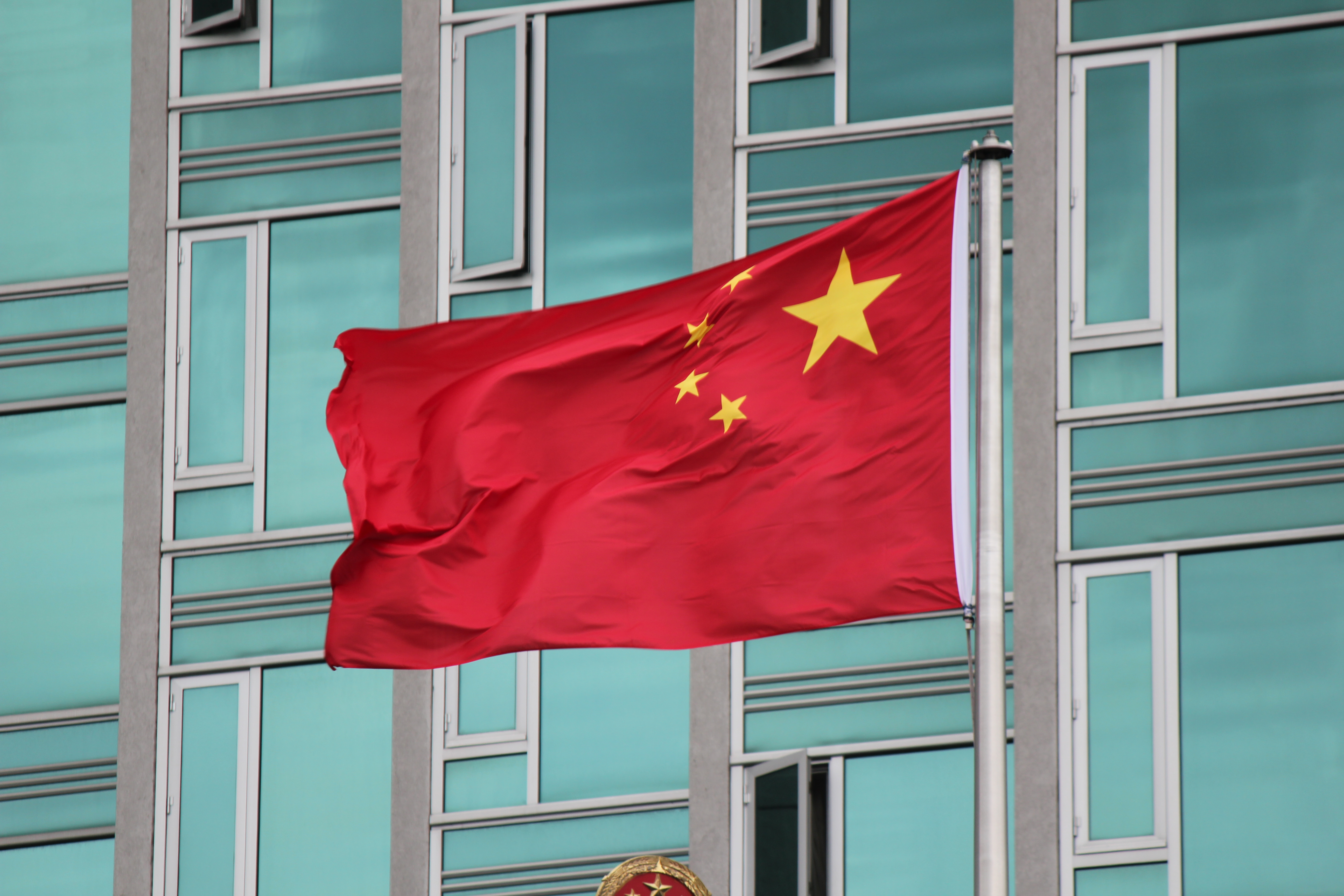
The Ministry of National Security of China, however, considers these public or private activities as subject to intelligence gathering and requires that the co-operatives monitor participants, organizational relations and relevant information.
The Tang Yuanjin case revealed not an isolated leak of information, but a clear cross-border intelligence workflow.
First, intelligence agencies seek out people who can reach the target groups; Second, cooperation is established through personal relations, financial compensation or family needs; The former social identity of these individuals was then used to gather information and to gradually expand knowledge of and penetration of the diaspora.
In the Tang Yuanjin case, the mechanism has evolved to provide continuous access to information through mobile phone applications, encrypted communications and private community conversations.
The FBI contacted Tang Yuan-Chu in June 2023 and informed him that his mobile phone might have installed malicious software from China. According to material disclosed by the prosecution in court, Tang Yuanxiang subsequently admitted to having been on mission for many years for the Chinese Ministry of National Security.
On 21 August 2024, he was arrested in Farasing, New York. On 16 September 2025, he formally pleaded guilty. Until 12 November 2026, the court decided on the sentencing.
原始来源 · justice.gov美国司法部:唐元隽2024年8月21日被捕案件公告justice.gov ↗The case presents an intelligence activity lasting at least five years and the judicial proceedings have lasted for more than two years.
This also means that, prior to the intervention of United States law enforcement, the Chinese Ministry of National Security had maintained secret information channels for many years through a person who had been active in the local diaspora for a long time.
After three years of probation, the real loss facing the diaspora
Tang Won-hoon was not finally sentenced to prison.
The three-year probation granted to him by the Tribunal meant that he could continue to live in the United States, but was subject to the corresponding judicial supervision.
The maximum five-year prison sentence requested by the prosecution was not accepted, and those who were under his supervision still need to face the reality that personal information may have been channelled into the Chinese intelligence system.
Criminal cases can establish the legal responsibility of the accused, but they cannot simply restore the trust that has been broken by a political community.
The Communist Party has long targeted political opponents abroad. Its intelligence activities have been carried out through human relations, family ties and digital technology, breaking borders and entering democratic societies.
The most painful aspect of the Tang Yuanjin case is that a man who has paid for 12 years in prison for his freedom has finally been involved in the work of oppressing other freedom-seekers.
He admitted to betraying his political convictions before the New York court. But those who entered the community of exchanges, participated in protests and shared personal information because they trusted him did not agree to involve the Chinese Ministry of National Security in their lives.
Tang Yuan Chong Chong can escape direct criminal sentence after the three-year supervisory period, but the information he leaked does not necessarily disappear from the intelligence files in Beijing.
For the CPC, Tang Yuanxiang is only one of its collaborators in the transnational intelligence network; For overseas democratic movements, this man was a fellow opponent of dictatorship.
The most heavy loss to a community is occurring in a place where the two identities coincide.
Article discussion
Verified members can discuss this report publicly and manage their own content.
Checking member sign-in status…