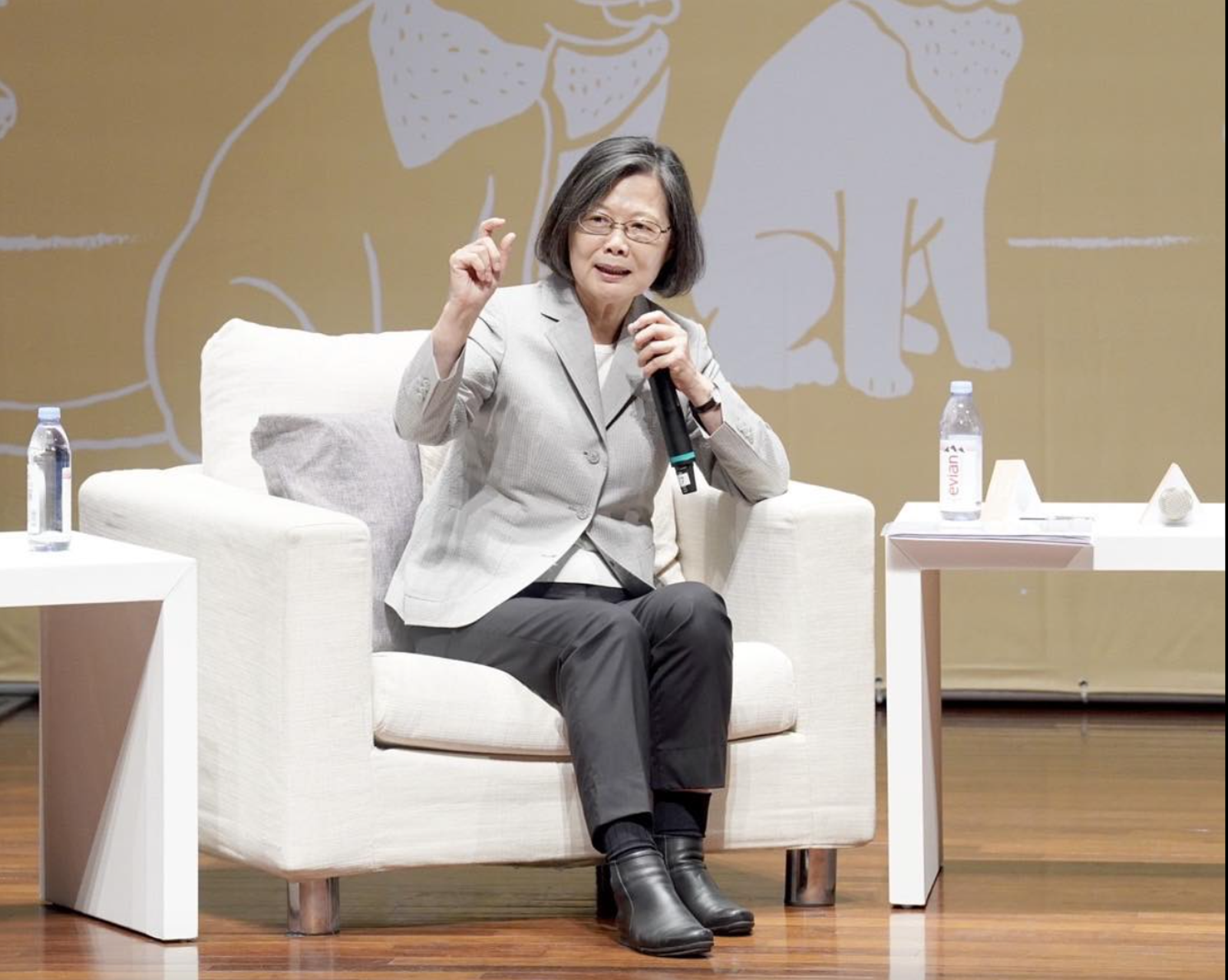
On the morning of October 7, at a conference on science and technology and national security at the Hoover Institute of Stanford University, former Taiwan President Zai Zai, who had left office for more than two years, did not start with “the need for the United States to protect Taiwan,” but changed the starting point of the discussion: Taiwan is not only a place that could be attacked by China, which needs the support of other countries, but also a system that can provide technology, manufacturing, and industrial resilience for global security.
原始来源 · cna.com.tw中央社:蔡英文斯坦福2026年10月7日演讲完整中文稿cna.com.tw ↗This presentation, entitled “Building Security: Taiwan's Role in Global Stability”, was held at the Stanford DeFcon 2026 Science, Technology and National Security Seminar. On 8 October, the English-language office of Choi delivered a full speech by the Central Agency; Reuters also reported on what she described as the continuing grey zone pressure in China. The most worth studying in the speech, in contrast to the diplomatic slogan “against the threat of force”, was her attempt to transform Taiwan's security position from a military defence target to a participant in a transnational production network.
War didn't happen, and the national security system was tested every day
Zai English lists the multiple pressures facing Taiwan: more frequent movement of SLA aircraft, ships and marine police around the area; The following is a video of the ongoing cyberattacks, information manipulation and cognitive warfare. Economic coercion and the potential penetration of critical infrastructure are coupled with traditional military deterrence. She stated that Taiwan could not only prepare for a full-scale military conflict, but must also be able to maintain normal social order and self-reliance without war.
The general reference to these acts as “grey zones” is susceptible to a misunderstanding, as if they were all less than real wars. For businesses, hospitals, schools and municipal systems, long-term cyberthreats, false news and supply chain disturbances are often sufficient to change investment and population expectations. Its strategic effect is not to seize land immediately, but to increase the cost of maintaining Taiwan ' s normality on a daily basis, so that the pressures imposed by Beijing are seen by the outside world as a daily context.
The mainland official has long claimed that the Taiwan issue belongs to China ' s internal affairs and has insisted that he refrain from the use of force. Taipei rejected Beijing ' s claim to Taiwan ' s sovereignty. The presentation showed that the debate was not just about which side of the diplomatic vocabulary was more persuasive, but about the actions that put pressure on Taiwan society, and how to move from a fragmentation of events to a risk that could be quantified, revealed and resisted.
There's a reason to write together chips, drones and national defence production.
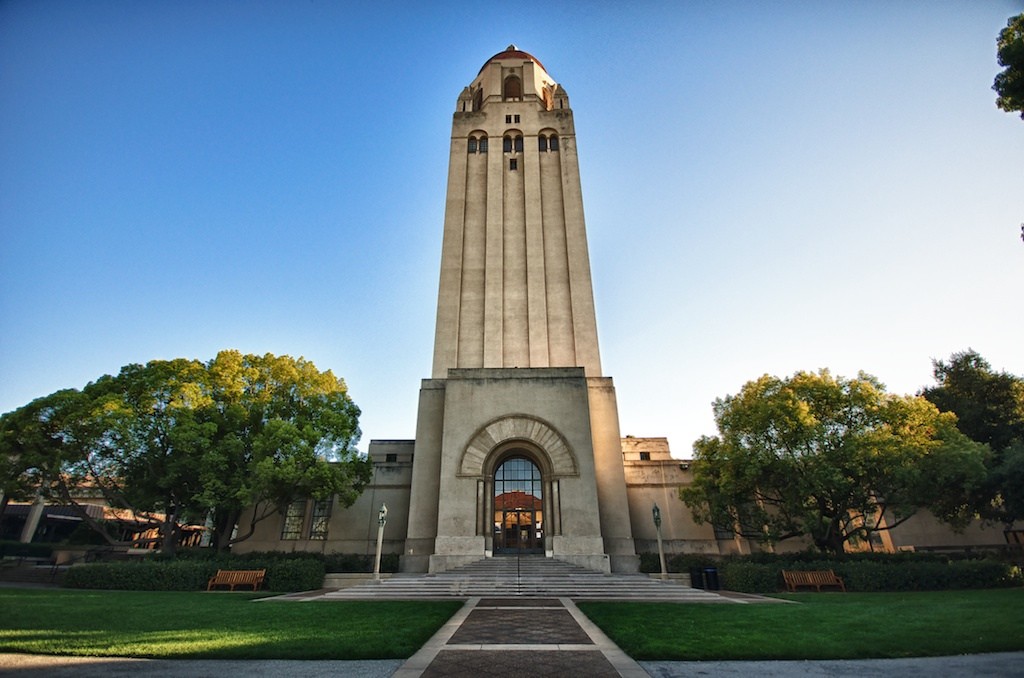
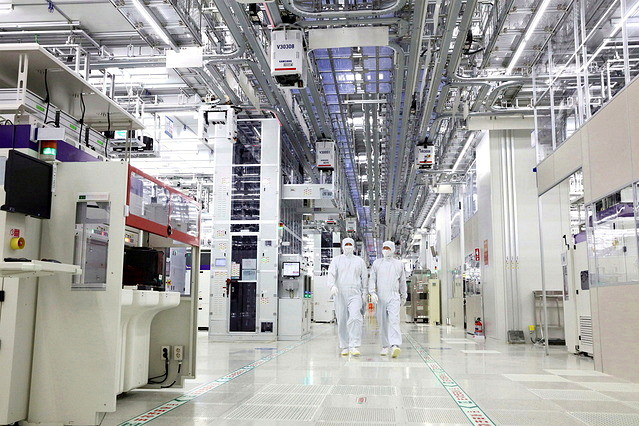
原始来源 · stanforddefcon.orgStanford DEFCON主办方:正式议程与蔡英文开幕演讲时间stanforddefcon.org ↗In the past, international news has often described Taiwan as a “single-point risk” in the global semiconductor supply chain. In his speech, Choi English asked to look backwards: Taiwan’s advanced manufacturing, electronic engineering, semiconductor industry and drone supply systems are also security assets that other democracies can use together. Taiwan is located at the core of the First Island chain, with the Strait carrying international transport of goods and energy; If there is a major disruption and not only Taiwan is damaged, the cost will also be borne by the neighbouring economies and global technological manufacturing.
She further referred to asymmetric defence and the Taiwan submarine-state-building process, bringing military procurement together with the capacity of industry organizations. The central message is that it is not only the United States that is willing to sell as many weapons as possible, but also whether Taiwan can work with partners to develop, produce and maintain equipment and systems that can be supplied on a sustainable basis. The purchase of advanced equipment is a trade; Building a industrial base that can be continuously replenished in times of war requires long-term institutional cooperation.
This idea is equally a real problem. The production capacity of the semiconductor advanced process does not automatically translate into UAV engines, military communications parts or submarine maintenance capability. There are also different requirements for certification, security, export licensing and commercial confidentiality in various industries. Cai English proposes a direction for industrial cooperation, not a contract for the supply of transnational military workers that has been completed. This policy framework can be tested in the future for the landing of specific projects and for the access of small and medium-sized suppliers to trusted transnational procurement networks.
A speech by the outgoing head of State cannot be equated with a security commitment made by Washington
The DFCON in Stanford is a science and technology safety forum supported by student organizations and the Gordy National Innovation Centre. The school programme shows that Choi, in English, will be on stage at 8.18 a.m. United States time in the West Bank on 7 October, for an opening keynote address, followed by a talk with the moderator. The conference addressed the issues of artificial intelligence, drones, space and Indo-Pacific logistics; She was a guest speaker, not a visit to the United States as the current President for inter-State negotiations.
The Forum thus gave Choi English an opportunity to explain Taiwan ' s long-term strategy to the US in science and technology, policy and the NPC, without implying that every recommendation she made has become an American administrative policy. The strategic claim from the University's podium, which is written as a commitment by the United States to deploy new weapons or to sign security agreements, would exaggerate its practical political effectiveness.
Taiwan students and young science and technology workers attending the conference saw another dimension. The Central News Agency reported that Cai had interacted with Taiwan students after his English speech, had a picture on campus and had written “early graduation” when signing for the students. The ultimate need for a national security strategy is not only for military generals, but also for manufacturing engineers, software developers, researchers and the next generation of workers willing to engage in basic industry.
原始来源 · reuters.com路透社10月8日:蔡英文揭示中国持续灰色地带施压reuters.com ↗If China is to create a long-term sense of insecurity, Taiwan must make security a sustainable productive capacity
Zai Yi, who was President of Taiwan from 2016 to 2024, experienced increased military pressure from China, an outbreak of supply-chain shocks, and the rising role of Taiwan’s semiconductor in global competition for science and technology. Rather than announcing a new government budget, his speech after leaving office, had drawn up an economic vision of regional security after learning from past experience: Taiwan must defend itself and must ask partners to move forward from a war-time to a normal production.
The validity of this argument is subject to both tests. On the one hand, whether Taiwan can guarantee the free functioning of society in the face of continued military air cruises, cyber attacks and naval police activities; On the other hand, when the international community talks about “supply chain security”, it is willing to bear the long-term costs of diversifying production, training personnel, inventory of ready goods and security of critical infrastructure.
原始来源 · cna.com.tw中央社现场采访:蔡英文斯坦福演讲与台湾学生互动cna.com.tw ↗The more pressure is exerted in Beijing and it is difficult to define a single event, the more the Taiwan response cannot rely on a single emergency military purchase list. The English language of Cai is not a guarantee of a future war, but a realistic industrial proposition: if peace requires protection against long-term coercion and the defence capacity to sustain it, it must be able to be built on a continuous basis, like infrastructure.
Chips, drones, shipbuildings and coalition cooperation, Taiwan Defence Industry, four gates
The Zai English speech stated that “Taiwan needs to be protected and can also provide its allies with defence and scientific and technological industrial capabilities”. This policy line faces four practical barriers: semiconductor manufacturing and sealing and whether the supply can continue under an abrupt blockade; Which of the contract for volume production and delivery nodes have been contracted for UAVs and low-cost defence systems; How many ships have been subjected to sea tests, made up and permanently maintained in the shipbuilding industry; Cross-border Ally cooperation These four types of evidence should not automatically be equivalent to the same speech.
Supply chain resilience cannot be demonstrated by product value alone
Taiwan ' s strategic value cannot be explained by the amount of the chip exported. While Beijing continues to increase the defence costs of Taiwan ' s society through military deterrence, diplomatic isolation and grey areas, Taiwan must extend its industrial advantage to power reserves, drone production, naval maintenance and civil defence resilience. What really determines whether external partners can share responsibility for security is the cooperation in procurement, production and maintenance that is signed in time, not the statement of solidarity in times of crisis.
原始来源 · cna.com.tw中央社10月8日全文:蔡英文在斯坦福的政策命题原始语境cna.com.tw ↗
Article discussion
Verified members can discuss this report publicly and manage their own content.
Checking member sign-in status…