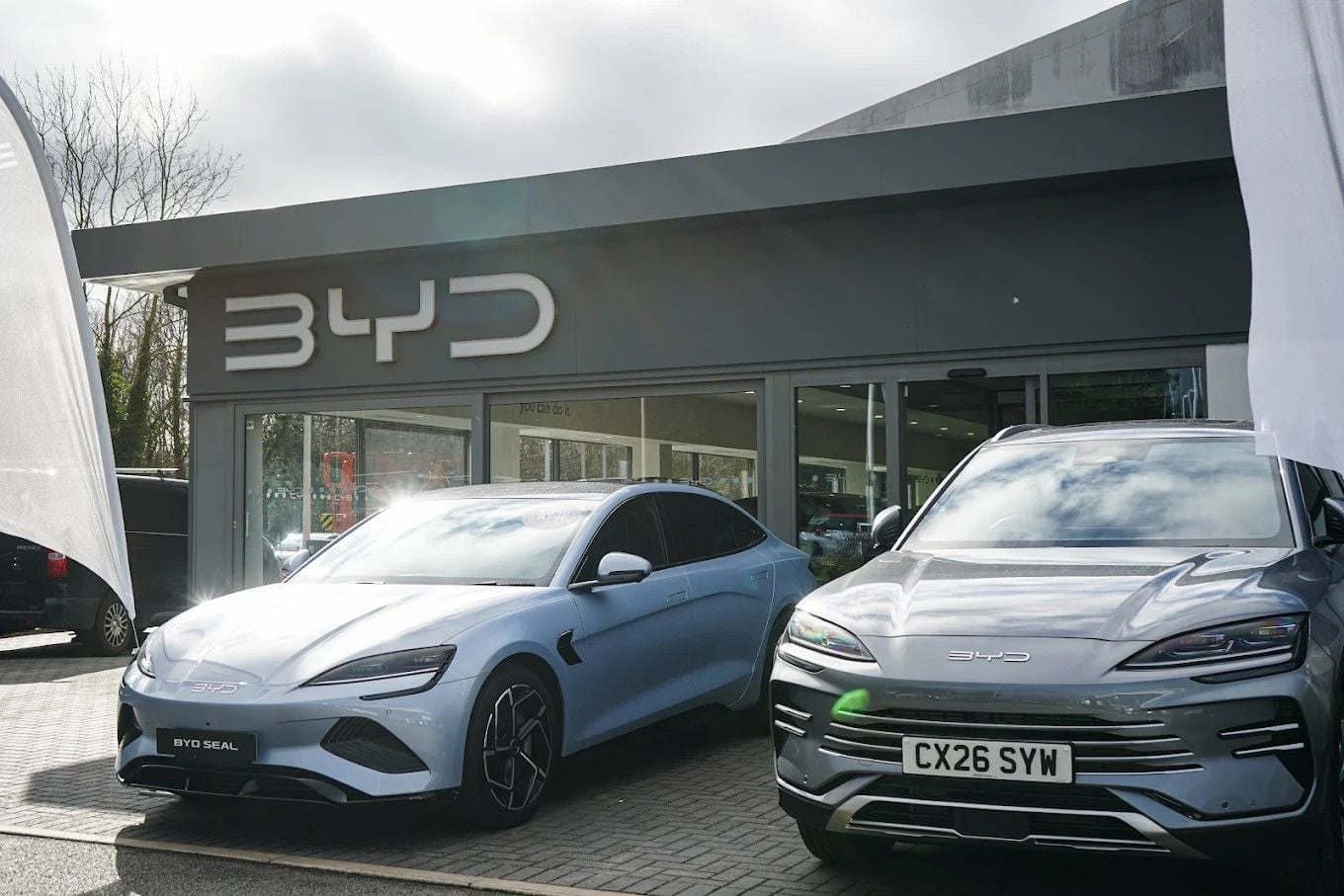
The British Government began a reassessment of tariff escalation on Chinese imports on 5 October, in order to align itself with the EU industrial defence policy. The British Guardian reported that the review had taken place against the backdrop of the rapid expansion of the British market share of Chinese branded electric cars and the imposition of additional tariffs by the European Union on some Chinese electric vehicles.
The relatively open automobile market has been seen since the British graduation as a strength to attract investment and to lower consumer costs. Chinese cars have also seized this window. The brands of Biadi, Jaecoo under the Chire flag, and Supermart MG have established distribution networks in the UK, taking over the market at prices, configurations and electricization rates. For consumers, this means more low-price options; For British and European traditional motor companies, it means that profits, employment and local supply chains are under greater pressure.
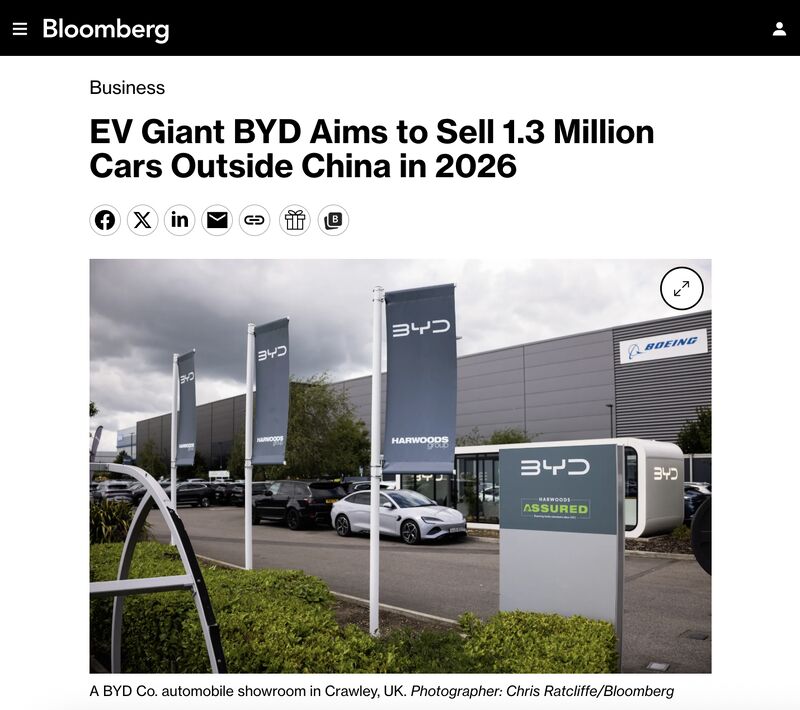
The real change in the calculations for London is the continued high degree of integration between the British automobile industry and the EU market. The UK relies on the European supply chain for the whole car and spare parts production, and a large number of exports are also directed to the EU. If the UK continues to be a low-tariff gateway for Chinese motorists to market in the European periphery, while the EU increases trade barriers, it may be at a disadvantage in future negotiations on rules of origin, subsidies and industrial protection.
Thus, the tariff review is not just a matter of “making Chinese cars more expensive” consumption, but of whether the United Kingdom should be re-associated with European industrial policy. London ' s follow-on to the EU is tantamount to recognizing that an open market alone cannot cope with a Chinese automobile system that is co-supported by government subsidies, industrial policies and scalable manufacturing; If you refuse to follow, you must bear the consequences of the further occupation of the UK market by China’s low-cost capacity and its deepening fragmentation from the European regulatory system.

Beijing has long regarded the new energy car as a flagship for the upgrading of the country's industry. Local subsidies, policy financing, land, infrastructure and complete battery supply chains together shape the cost advantages of Chinese motor companies. The previous EU countervailing survey concluded that this advantage did not come exclusively from normal market competition and that, on that basis, additional tariffs were imposed on different enterprises. The Chinese Government, for its part, has called European measures protectionism.
原始来源 · ec.europa.eu欧盟委员会:对中国电动车实施最终反补贴税ec.europa.eu ↗The policy dilemmas of the United Kingdom show that Chinese manufacturing exports have changed political discourse within Europe. The dispute in the past was mainly about the access of European enterprises to the Chinese market; The question now, in turn, is whether, with the support of large domestic capacities and policies, Chinese enterprises can sustain their industrial base.

If the UK eventually imposed tariffs, the significance would be greater than the automobile industry itself. It would show that even when leaving the EU, London faced the industrial country model of Beijing, it became increasingly difficult to maintain a free trade path of “price-only, no-system-only” alone. The competitiveness of electric cars in China is real, but the same issues of national capital, supply chain control and industrial security are behind this competition; The United Kingdom is being forced to recalculate these costs to market prices.
Article discussion
Verified members can discuss this report publicly and manage their own content.
Checking member sign-in status…