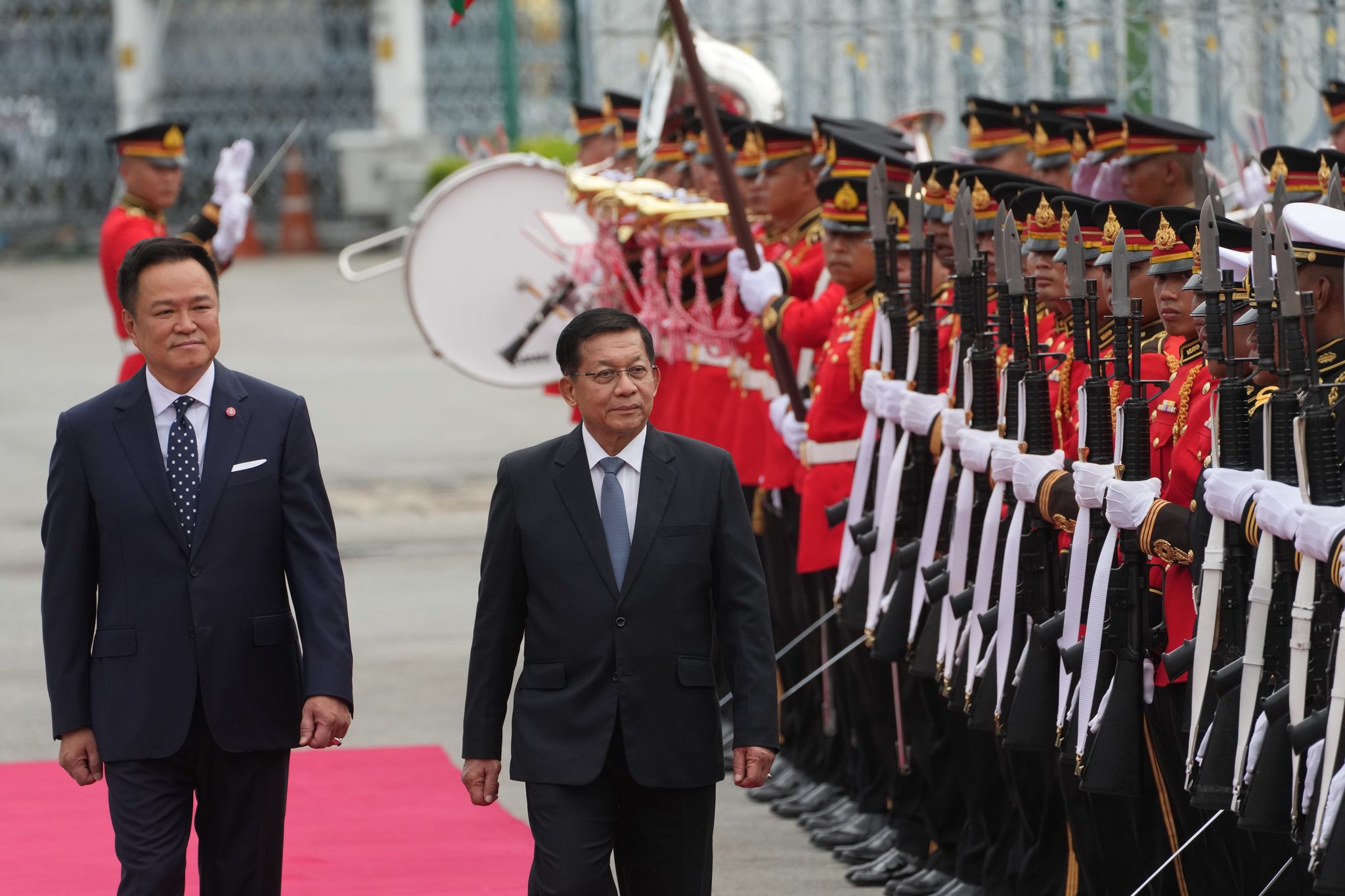
From 15 to 16 September, Michael Vance, Assistant Secretary of State for Intelligence and Research, United States Department of State, travelled to Nay Pyi Taw, Myanmar, to meet with Min Aung Le. This diplomatic contact was not disclosed by Reuters until 8 October. It marks a strategic change in Washington's approach to the Myanmar military: while maintaining sanctions, the United States has begun to negotiate concrete deals with those in power following the coup d'état of 2021.
The starting point for the deal was the release of Adam Castillo, an American businessman; The negotiations were followed by transnational cyber-fraud against Americans and rare earth minerals from northern Myanmar that link China's supply chain. For Min Aung Le, who is anxious to emerge from diplomatic isolation, it is a political gain to be able to speak directly to senior United States officials.
原始来源 · reuters.com路透社独家:美国国务院高官与敏昂莱秘密会面reuters.com ↗A businessman was released and opened the diplomatic door for the junta
Castillo was the head of the United States Chamber of Commerce in Myanmar and was detained at Yangon Airport on 11 June. Reuters disclosed that the White House, the United States National Security Council and the Department of State promoted release through closed channels; The Myanmar side is pursuing high-level contacts with the United States Government, while making a large and undisclosed ransom. Castillo has now been released, and he thanks the Trump Government for not making public the details of his intervention.
Who would bear the political cost of this diplomatic exchange? For the United States, it is a clear consular interest to free its citizens; For the Myanmar military, United States officials have entered Nay Pyi Taw, but may be packaged as a signal of the international community's re-emergence. Min Aung Le suffered long-term sanctions and isolation after the coup d ' état of 2021, and the military Government continued to seek external support in the context of civil war and humanitarian crises. While a meeting did not amount to lifting the sanctions, new diplomatic photographs and negotiating chips had been provided to those in power.
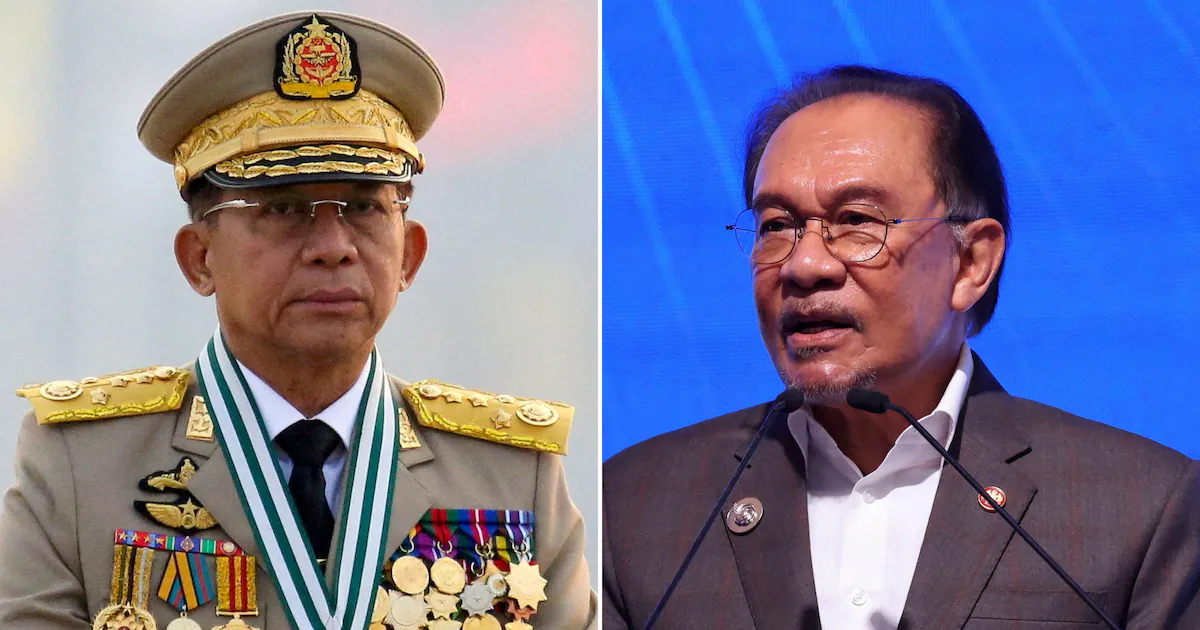
The true protector of the fraud industry at the border
Combating fraud is another real interest that the United States has put forward. The fraud park at Mywadi on the Thai-Myanmar border has long relied on rental of houses, armed guards, electricity networks, cross-border transport and underground financial channels. The United States Treasury Department has previously imposed sanctions on the Karen National Army (KNA) and associated individuals and entities for providing protection in cross-border fraud networks, and partly for operations related to Chinese criminal groups.
原始来源 · home.treasury.gov美国财政部:缅甸克伦民族军参与诈骗园区及跨境犯罪home.treasury.gov ↗This means that the Myanmar military is not the sole control of the fraudulent business. Local armed and commercial groups behind some parks have specific access points, buildings and people, and the proceeds of fraud flow along cross-border financial channels. Even if they agreed to cooperate, Nay Pyi Taw could not simply have ordered all the parks to be shut down by a presidential order. At the same time, the military junta ' s cooperation with some armed elements of the border makes it difficult to distance itself from political responsibility for the criminal economy.
In the park, trafficked persons may be victims or forced to participate in fraud. The closure of one park would have limited significance for the victims if it had merely moved people to another position. The real force of criminal groups is to cut off armed protection, to recover funds, to rescue detainees and to block the channels of recruitment and money-laundering that flow in many countries in South-East Asia.
Kachin's heavy earth is not at the command of Nay Pyi Taw
The rare earth mining area in Kachin State, in northern Myanmar, is of relevance to China ' s position in the heavy-earth earth processing and downstream magnetic supply chain. The United States was looking for alternative avenues to reduce China ' s critical mineral control, and Myanmar ' s resources were thus a matter of strategic value. However, the actual control of mines does not coincide with the administrative capital: some mining areas and transport routes are controlled by local armed forces, such as the Kachin Independence Army, and minerals enter the Chinese processing system through a border trade network.
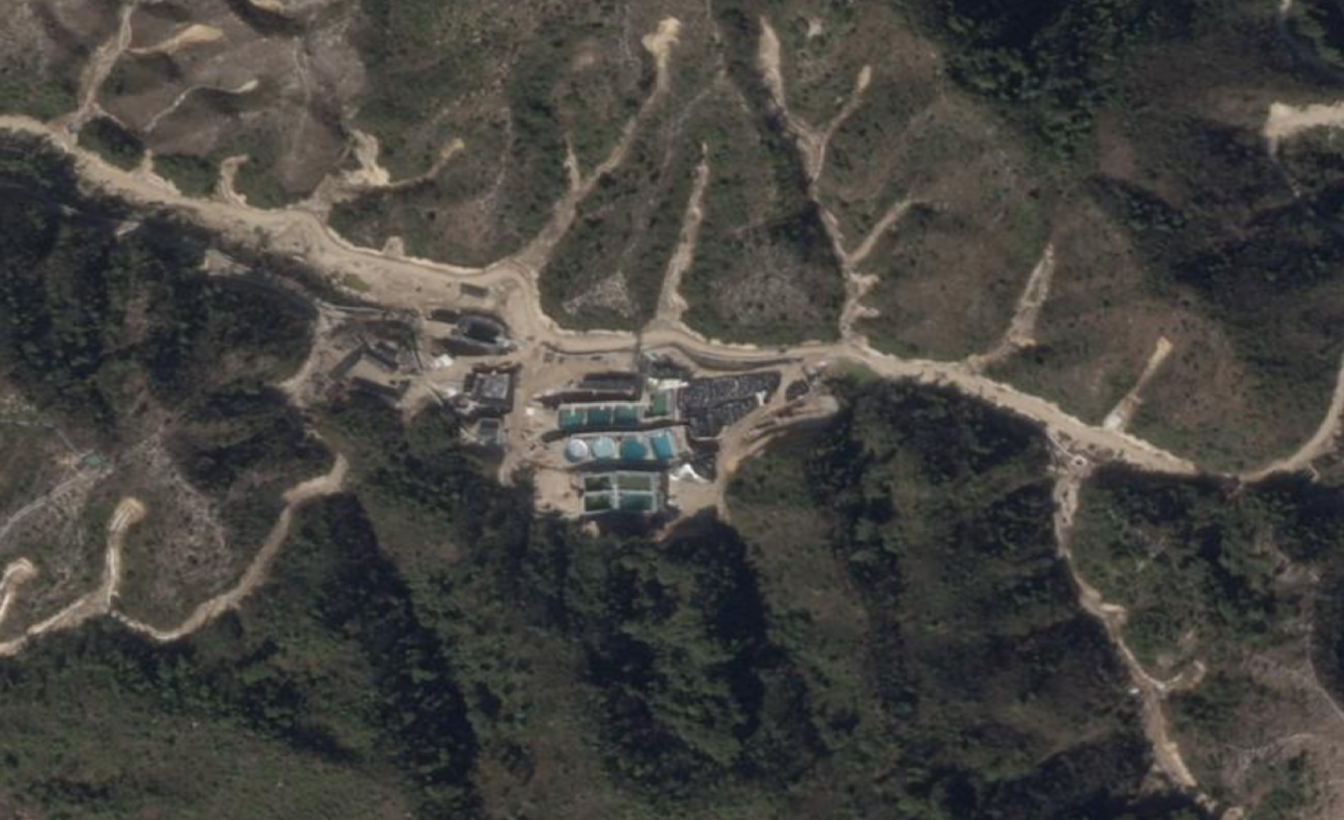
Even if Washington were willing to procure, mineral ownership, border roads, transport security, smelting capacity and sales contracts remained real obstacles to each other ' s independence. Myanmar produces ores that do not amount to the United States ' immediate access to heavy, rare earth materials that meet industrial specifications. The long-standing processing infrastructure and market relations in Beijing are not a substitute for diplomatic talks.
The inhabitants of the mine face another account. The Information Retardability Centre (CIR) documented the expansion of the rare earth mining area in Kachin State using satellite imagery, with mountain forests cleared and road and chemical leaching facilities extended. Whether or not the ore is bought by Chinese firms or United States buyers, pollution management, land rights and livelihoods of local residents cannot be directly offset by supply chain competition in large countries.
原始来源 · info-res.orgCIR卫星调查:缅甸克钦稀土开采区扩张及污染记录info-res.org ↗Border influence in Beijing, facing three forces.
Min Aung Le needs diplomatic recognition and economic revenue, with local armed forces holding part of the land and access to the border between Kachin and Thailand and China ' s business and trade networks linking mineral processing and cross-border capital. The United States chose to engage directly with the military Government, effectively entering a pattern of interests that was intertwined by central military authority, local armed forces and Chinese commercial influence.
Beijing can influence relations between some local forces through ore procurement, processing capacity, port movement and, without implying that every mining or fraudulent park in Myanmar is directly under Beijing ' s command. It is even more worth asking why these cross-border industries can operate in the medium and long term in the context of war, human trafficking and severe environmental damage, and which power holders with policy, finance and transport nodes will benefit from it.
The most important gain that this engagement brings to the military junta is not just a negotiation, but a bargaining chip to turn the detention of United States citizens, border crime governance and mineral interests into an exchange of diplomatic contacts. The Beijing-controlled processing chain and locally-controlled mining sites depend on each other, and Washington, if it deals with the inner-bigger alone, can neither ensure control over ore exports nor allow the border residents to bear the new political transaction costs without the right to participate.
Article discussion
Verified members can discuss this report publicly and manage their own content.
Checking member sign-in status…