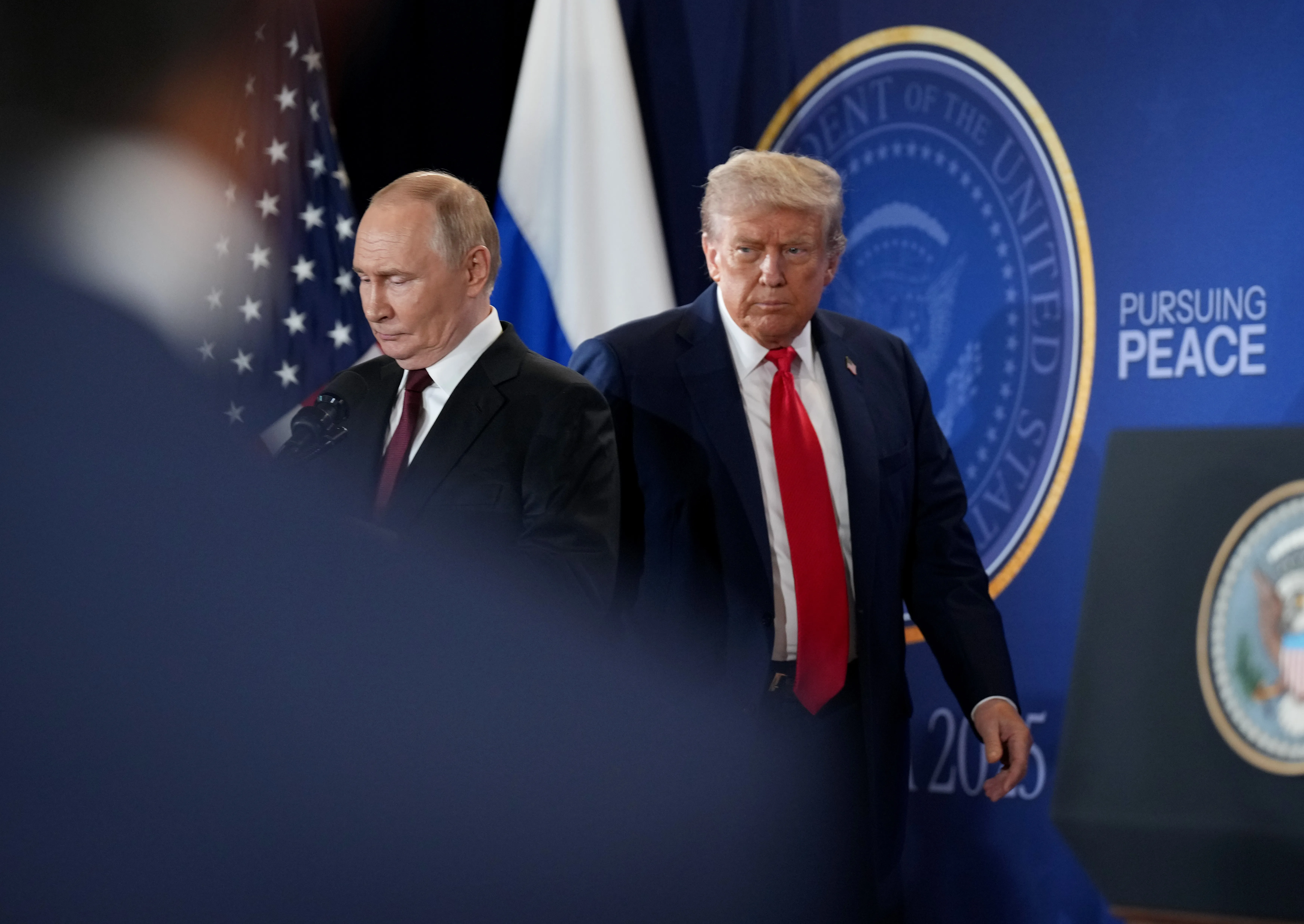
Following a call from President Trump on 9 October, Washington quickly transformed political decisions into enforceable financial authorizations: the United States Treasury Office of Foreign Assets Control issued general licence 135 that same day, allowing Russian-origin diesel to be sold, delivered, unloaded and imported, with the authorization window running until 7 April
- This is a significant shift in the United States policy on energy sanctions against Russia since the Soviet war. It does not lift all sanctions against Russia, but opens up a passage for about six months for specific diesel transactions.
Trump subsequently publicly announced that Russia had agreed to immediately supply more than 300,000 tons of diesel to the United States and the global market, with an additional 500,000 tons in November, followed by a further 1 million tons; The following increases of 3 million tons are possible, if the refining facilities are in a state of condition. Following news from the market, the New York futures and refining profit indicators for diesel were rapidly declining. Thus, the oil price factor is another source of supply that was previously restricted by the United States: Russia.
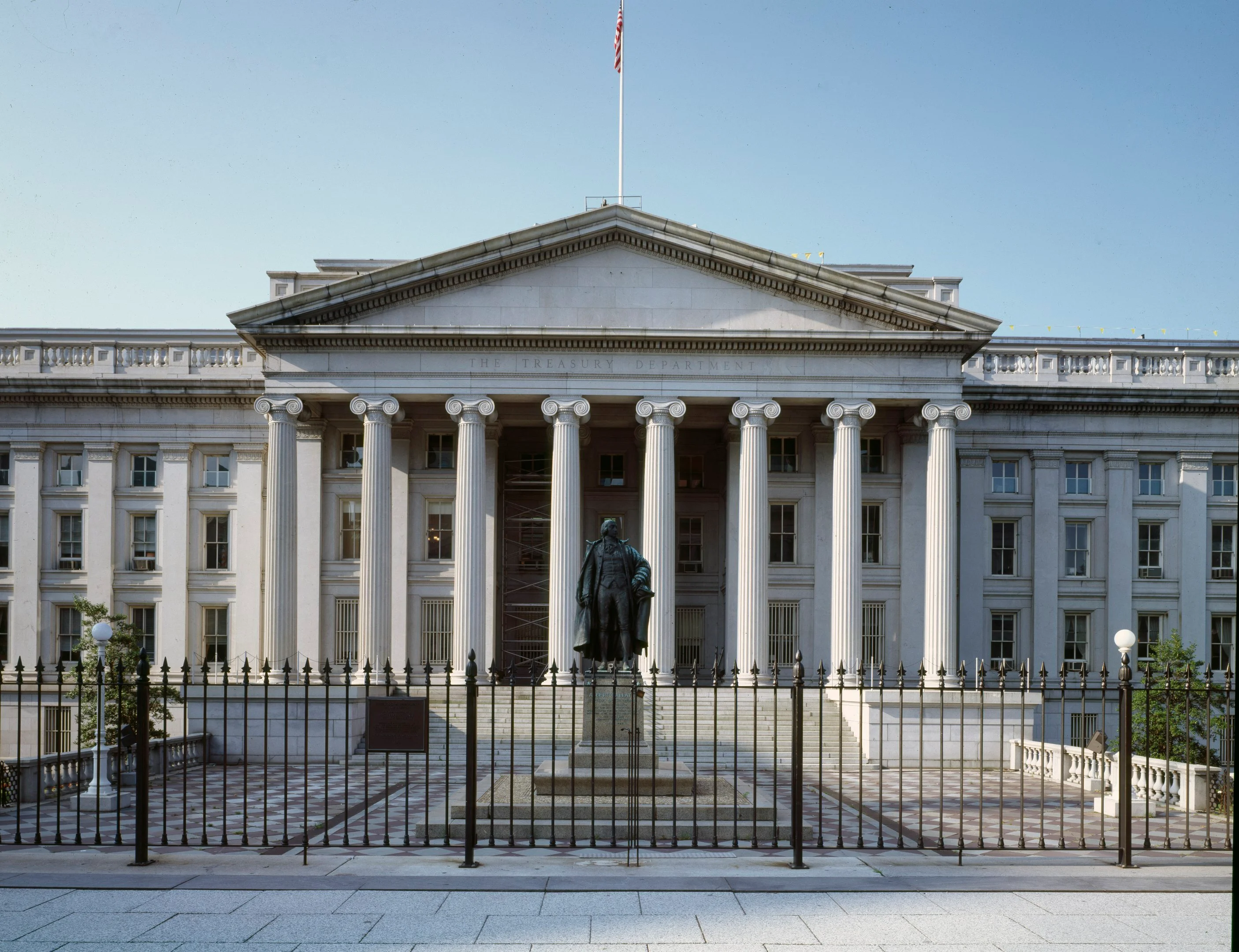
Phone, permit and unsealed tankers
The legal significance of licence 135 lies in removing the impediments to a particular transaction touching the United States sanctions ban, rather than in proving that the ship has been loaded, insured or paid by the buyer. The combined amount declared by Trump exceeds 4.8 million tons and remains a supply commitment rather than a spot delivery. Russian Deputy Prime Minister Novak, for his part, stated that the Russian side would ease the restrictions on the export of diesel fuel ahead of schedule, with a view to starting the supply in October.
This information is particularly unusual because the Russian side had previously restricted its own exports of diesel fuel. The continued attacks by Ukraine on Russian oil refining facilities have led to a strain on Russian domestic supply and processing capacity. On 1 October, Putin openly linked the resumption of exports to the lifting of sanctions by the West. In a short week, the United States granted an exemption for diesel fuel, while Russia announced that it would initiate the corresponding supply. Energy policy has evolved from a mutual restriction to a deal that can be announced by the leaders of each country.
Trump needs prices, Putin needs income.
Trump seeks Russian diesel, first and foremost at an exceptionally high fuel cost in the United States. (b) The war in Iran and the loss of global refining capacity pushed up the price of diesel, which affected agricultural machinery, long-distance freight, food transport and heating; Prior to the mid-November elections, oil prices became a direct political pressure. The global scale observed on 9 October that the price gap for the price of ultra-low sulphur diesel fuel in New York had dropped by $6.45 per barrel on the same day, and that the market was clearly willing to adjust the offer for the possibility of new supplies.
原始来源 · spglobal.com标普全球:柴油价格市场影响spglobal.com ↗However, the fall in oil prices does not necessarily prove that this measure has lasting effects. The sale of diesel fuel that could have been sold to other markets in Russia may have merely altered the global flow of goods, without necessarily increasing the overall supply. The attack on the refining facilities, the initial adjustment of the Russian export ban and the shipping of ocean freight may have constrained physical arrival. The President ' s commitment to tons is separated from the final price reduction for the United States gas station from the refinery, port, shipping, contract and distribution network.
For Putin, the United States offers a more direct return on the way to sales. Transactions can help Russian energy products to gain additional customer and financial processing facilities, and may also change the market ' s expectations of the long-term effectiveness of sanctions. President Zelensky of Ukraine criticized this as amounting to an increase in the funding of war in Russia. The same day, the senior Democratic Democratic Party of the United States Senate Foreign Relations Committee issued a statement that the White House was weakening the pressure on Russian energy that Congress had recently tried to increase. The United States Government stressed the need for supply to ease prices and facilitate negotiations, at the heart of which was the extent to which domestic fuel prices should prevail over the policy of sanctions against Russia.
原始来源 · foreign.senate.gov美国参议院议员10月9日声明foreign.senate.gov ↗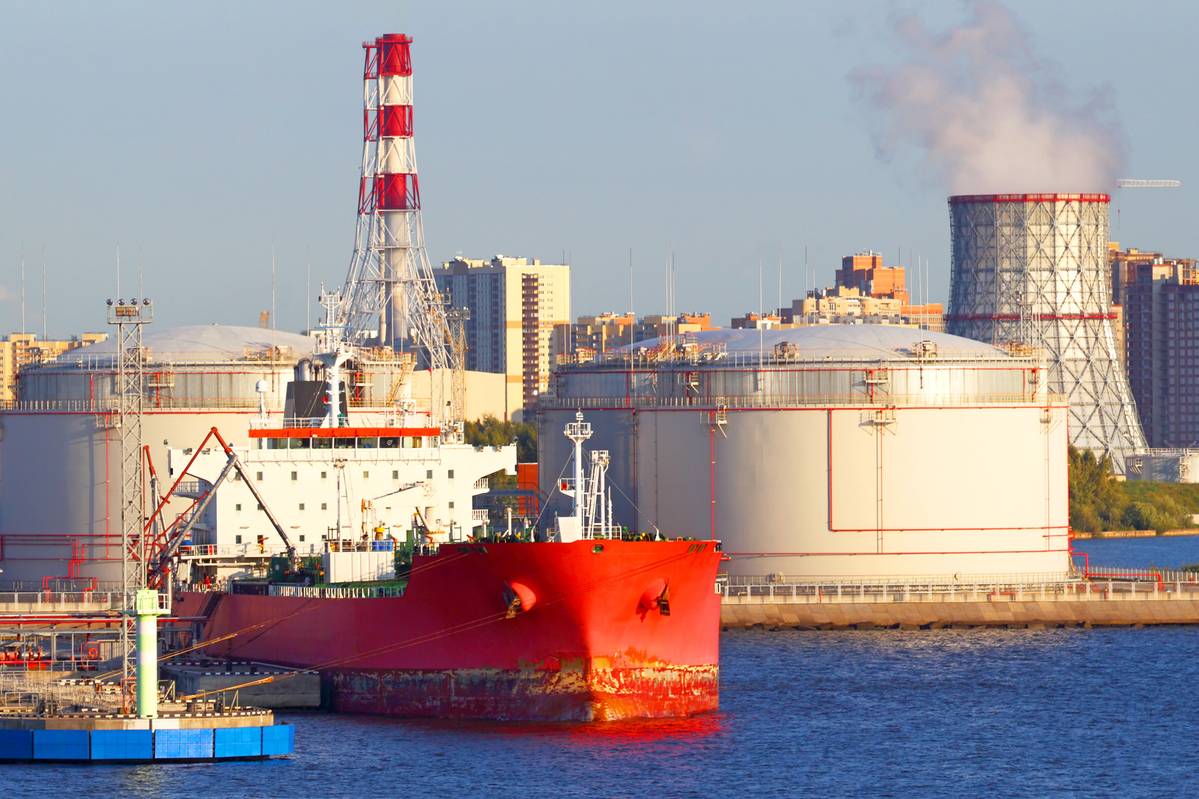
Ukraine is the third party behind the deal.
The context of the US-Russian leadership's call is not just the price of diesel. The British Financial Times and Axios reported on 10 October that, in talks with Ukrainian and European representatives in Miami, United States personnel warned that the continued attacks by the Soviet forces on Russian refineries could affect United States intelligence-sharing. Officials explained to Axios that Trump had previously requested Ukraine to stop attacking Russian energy facilities, but had not accepted it in Kiev.
原始来源 · axios.comAxios:乌方炼油厂袭击与美俄柴油谈判axios.com ↗This means that the diesel agreement touches two fronts simultaneously: the United States opened up fuel trading to Russia, while Ukraine still attempts to reduce Russia ' s war capacity by combating oil refining and fuel storage facilities. On 10 October, the Russian attack on Zaporoje, Ukraine, resulted in the death of civilians, including children. The US-Russian economic contacts did not automatically turn into a battlefield ceasefire, and the Russian-Uu war could not be launched by a diesel trade is nearing the end.
Beijing is not facing a signed anti-China alliance agreement.
Of the utmost concern to the leadership of the Communist Party of China is the ability of the United States and Russia to bypass long-standing rivalries and to enter into specific deals directly for their respective interests. Beijing has for many years used the comprehensive strategic collaboration between China and Russia as a key diplomatic anchor against Western pressures; After the war, China also became one of the most important sources of demand for Russian crude oil. Reuters reported in late September that Russia ' s supply of crude oil to India had become more tight, partly because of China ' s increased procurement efforts in the Middle East when supply was disrupted.
原始来源 · reuters.com路透社:俄罗斯原油对华需求与印度采购受限reuters.com ↗If the United States were to provide Russia with a sustainable channel of economic gain and political consultation, which is different from that of the Chinese market, the bargaining space in Moscow in the face of Beijing could be expanded; The United States may also try to use US-Russian relations to gain diplomatic space for dealing with China. This is a possible triangular relationship change in energy transactions that deserves close observation.
However, Russian licensing of diesel exports does not provide for a reduction in trade with China, nor does it require a change in security cooperation with Beijing, let alone declare a new alliance between China and Russia aimed at overthrowing the Communist regime in China. Turning a diesel policy on October 9 towards a direct declaration of “United US-Russian Federation” would make a real strategic change without identifiable evidence. A more accurate way of observing is to track whether there is a policy shift in Russia on international issues of high interest to China, whether US-Russian security sector cooperation has expanded, whether the two countries have entered into binding long-term transactions, and whether there has been a structural change in Russia’s energy-to-China pricing and export share.
Such a change could also have the opposite effect. The United States temporarily opened up Russian diesel for domestic oil prices, and if Russian and Chinese military and diplomatic cooperation were not altered, Moscow could benefit from both the US energy market and China’s demand for crude oil. It is probably the ability of the United States coalition to pressure Russia, rather than Beijing’s strategic position, that will be weakened.
The real question is the next step in the deal.
This round of contacts between Trump and Putin has resulted in a direct collision between sanctions mandates, global energy prices and Ukraine ' s battlefield. For Beijing, the possibility of breaking the ice cap between Washington and Moscow is a new variable to be calculated; For Ukraine, the easing of the trade in diesel fuel is a realistic decision that could affect the resources of war.
The strategic pattern of China and Russia is not a post-phonic political slogan, but rather a follow-up, observable commitment, trade, diplomatic voting, security relations and practical action. The biggest news fact on 9 October was that the United States had given Russian diesel back a legal trading route to the United States and to the global market. It creates new trading space for large-Power relations, but the path ultimately leads to energy cooperation, the Ou-U negotiations or a broader strategic restructuring, depending on what countries do next.
Article discussion
Verified members can discuss this report publicly and manage their own content.
Checking member sign-in status…