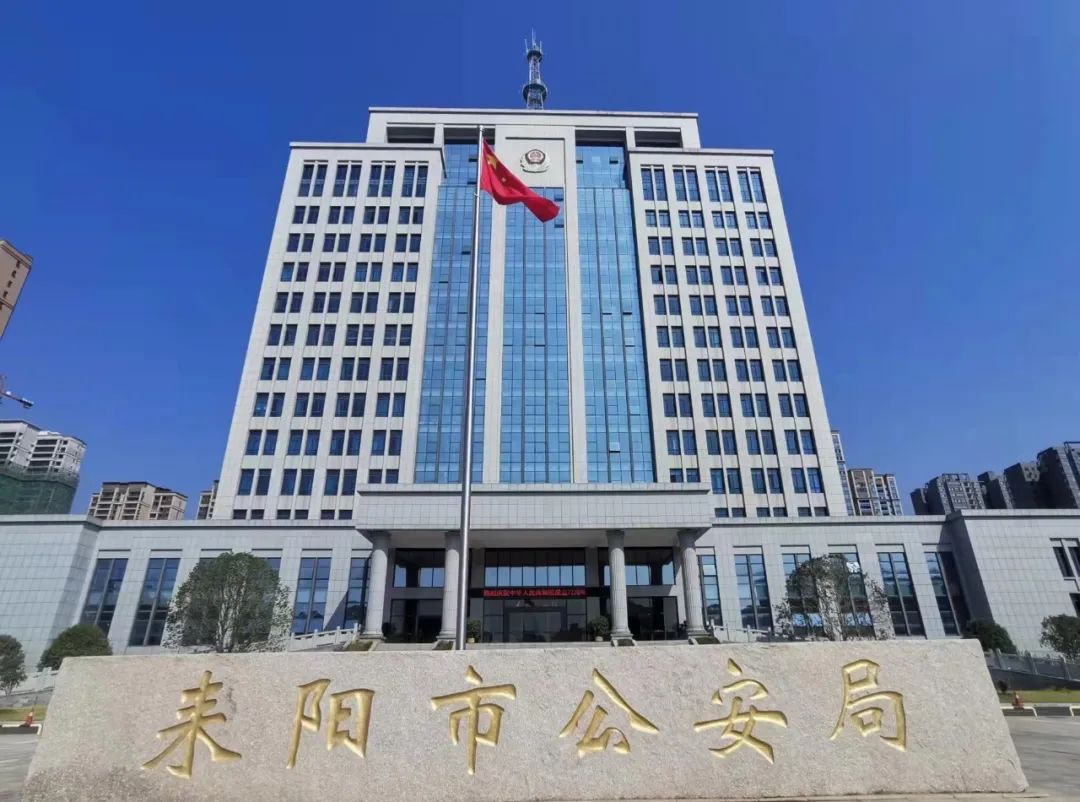
This is a basement near the spa. Some have paid for the purchase and refurbishment and have invited dozens of believers on Sunday to read the Bible, pray and party. The police now include it in an administrative sanction decision: the gathering is an “illegal religious activity” and the organizers face 15 days of detention.
原始来源 · chinaaid.orgChinaAid10月8日独家:湖南耒阳行政处罚决定内容chinaaid.org ↗The decision of 8 October of the Chinese Aid Association to obtain a penalty for removing information about the privacy of the person concerned, which shows that the Public Security Directorate of Xianyang City, Hunan Province, issued a detention decision on 21 September, citing article 31 of the Public Security Administration Punishments Act. Another source was cited as confirming that the basement, where the gathering took place, had also been sealed.
The most important document of this incident is the decision to impose an administrative detention penalty and to close private meeting places, with or without legal basis. The decision cited provisions on detention and indicated the duration of the relief; However, the documents consulted by China Aid did not mention the seizure of the basement.
What is the penalty under article 31: how does the organizational conduct and the conditions of harm prove
(a) Article 31 (1) of the Law on Punishment of Public Order, as amended in 2025 and enforced in 2026, which deals with “organization, instigation, coercion, seduction, incitement to engage in cult activities, door-to-door activities, illegal religious activities or the use of cult organizations, door-to-doors, superstition activities, disturbing public order and damaging the physical health of others”; The general penalty is 10 to 15 years ' detention and may be fined up to $2,000. It is not an automatic detention provision that is ipso facto sufficient to be “not registered”.
In the case of Zhongyang, the police must first indicate which specific gathering was deemed to be “illegal religious activity” and which religious regulation was the basis for its unlawfulness; Secondly, the relationship between the organizational conduct of the parties and the conditions of statutory harm must be demonstrated by evidence. If the surveillance video only shows dozens of people praying and studying the Bible, it can prove that someone is involved in the meeting, but it cannot prove without argument that it has disturbed the public order or damaged the health of others. This is the most important line of evidence in the review of the legality of administrative detention decisions.
In accordance with the decision to impose penalties on China Aid, the person concerned began to believe in Christianity in 2014 and subsequently purchased and renovated the basements for worship. The public security organs list the statements of the persons concerned, witness statements, surveillance videos and seized religious material. The fact that the evidence referred to above and “organization of a gathering” “caused the harmful consequences required by law” respectively determine the adequacy of the reasoning for the application of article
- Administrative detention is made by public security organs without the need to obtain a criminal conviction in advance, which also means that the procedure and examination of evidence of punishment cannot be formalized.
The penalty statement states that the person concerned may apply for administrative review within 60 days or initiate administrative proceedings within six months; The actual commencement will continue to be based on the legal service and procedure. The 15 days of detention are subject to the conditions established by law, depending on the specific facts of the decision on punishment, the records of the investigation, the evidence of the monitoring and whether the police guarantee the procedural rights of the person concerned to be heard, heard and heard, as provided for by law. The reference in the decision to article 31 does not mean that the full penalty requirement set out in that article is proven.
The closure of the basement is another administrative act that must be examined separately. / According to China Aid, other sources confirmed that the premises were sealed; The penalty note disclosed did not indicate the authority, basis, duration and notice of the remedy for the seizure. Administrative detention does not automatically authorize the closure of houses. If the administrative authorities also use fire, building management or religious site management as grounds for closing the house, they must assume responsibility for describing the decision-making body, the legal basis, the time of service and the right of the person concerned to a remedy.
From “unlawful gathering” to administrative detention: public security powers into private belief space
原始来源 · chinaaid.org湖南岳阳先前教会执法与学校压力调查chinaaid.org ↗The Government may, in accordance with the law, inspect fire protection and public safety in buildings, but must distinguish between general site management requirements and administrative penalties that restrict personal freedom. (a) The fact that dozens of people attend Sunday services is described, according to the current public penalties; The public part of the evidence of the police, in particular, the conditions of public order or health damage required by the Act, has not been fully developed. Failure to register a religious group is sufficient grounds for deprivation of liberty to be tested under the principle of proportionality.
Beijing requires religious activities to be brought into an officially recognized regulatory system. The reluctance of independent churches to join official institutions could in fact result in the loss of open space. There have been cases of family churches being raided and preachers being converted into criminal detention in Hunan Yuyang and elsewhere since last year. The incident in Xinyang shows a more common and negligible form of control: the police can cut off the daily lives of small religious communities by administrative detention and closure of premises without having to file a serious crime charge.
The decision on administrative penalties disclosed to the Chinese Aid Association (WAA) indicates that the authorities have punished the organizers of the gathering on the grounds of alleged illegal religious activities; Another source confirmed to the agency that the meeting place had been closed. The police in Xianyang did not disclose in a synchronized manner sufficient to explain the full facts of the detention and the measures of seizure, the application of the law and the relevant decision-making documents. The public power to make decisions restricting personal freedom and the use of places of work is responsible for informing the parties of the grounds and guaranteeing the right to administrative review and proceedings.
原始来源 · hrw.org人权观察:多地要求举报未登记宗教活动hrw.org ↗The police authorities of Zhongyang intervened in the church meetings of families through administrative detention, and the meeting places were closed, which suddenly disrupted the daily life of a group of people who were in common worship. Local governments do not have to wait for a criminal trial to use restrictions on freedom and the control of the two forces, which is the danger of administrativeization of religious governance. Beijing stressed that religious activities must be subject to official management, while grass-roots public security became the implementer of the transformation of such political demands into personal costs. The borders of freedom of belief cannot be determined unilaterally by the police alone.
Article discussion
Verified members can discuss this report publicly and manage their own content.
Checking member sign-in status…