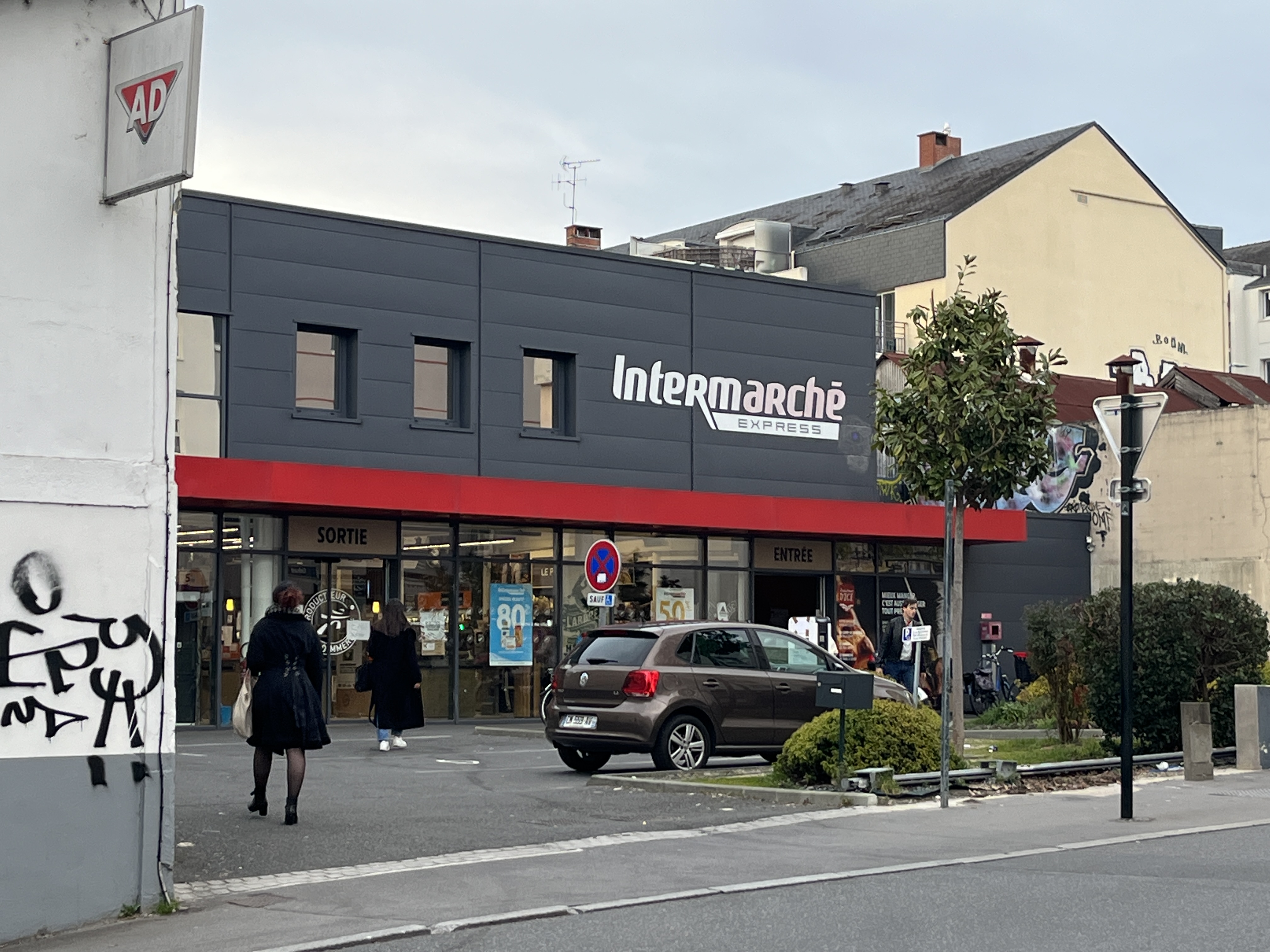
The freezer in the French supermarket, which was supposed to keep the food cold, became an uncontrollable heating device overnight.
From 11 to 12 October, hackers entered the refrigeration control system of various French retail enterprises via the Internet, re-engaging the frost-freezing parameters remotely, increasing the temperature of some equipment from below 27°C to above 50°C. A large number of frozen foods and fresh products are thus scrapped and some of the equipment is even on fire at high temperatures.
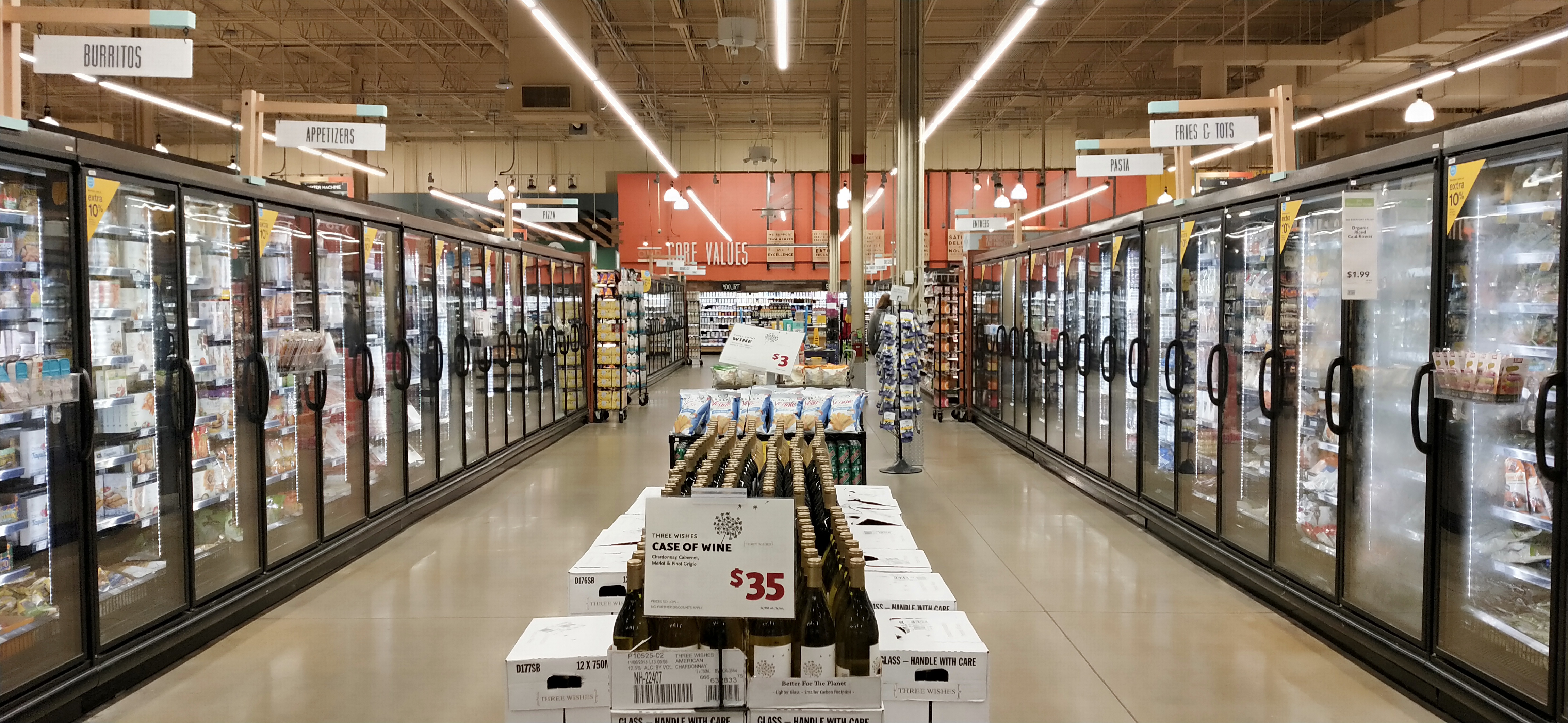
The National Cybersecurity Agency (ANSI) of France disclosed on 9 November that some 700 retail outlets throughout the country had been attacked, and at least 15 had been hit, with economic losses amounting to tens of millions of euros.
原始来源 · cyber.gouv.fr法国国家网络安全局:对冷链系统网络攻击的技术通报cyber.gouv.fr ↗On 12 November, United States Treasury Secretary Scott Becent revealed a new technical clue: Iranian hackers used the Chinese artificial intelligence model in their operations.
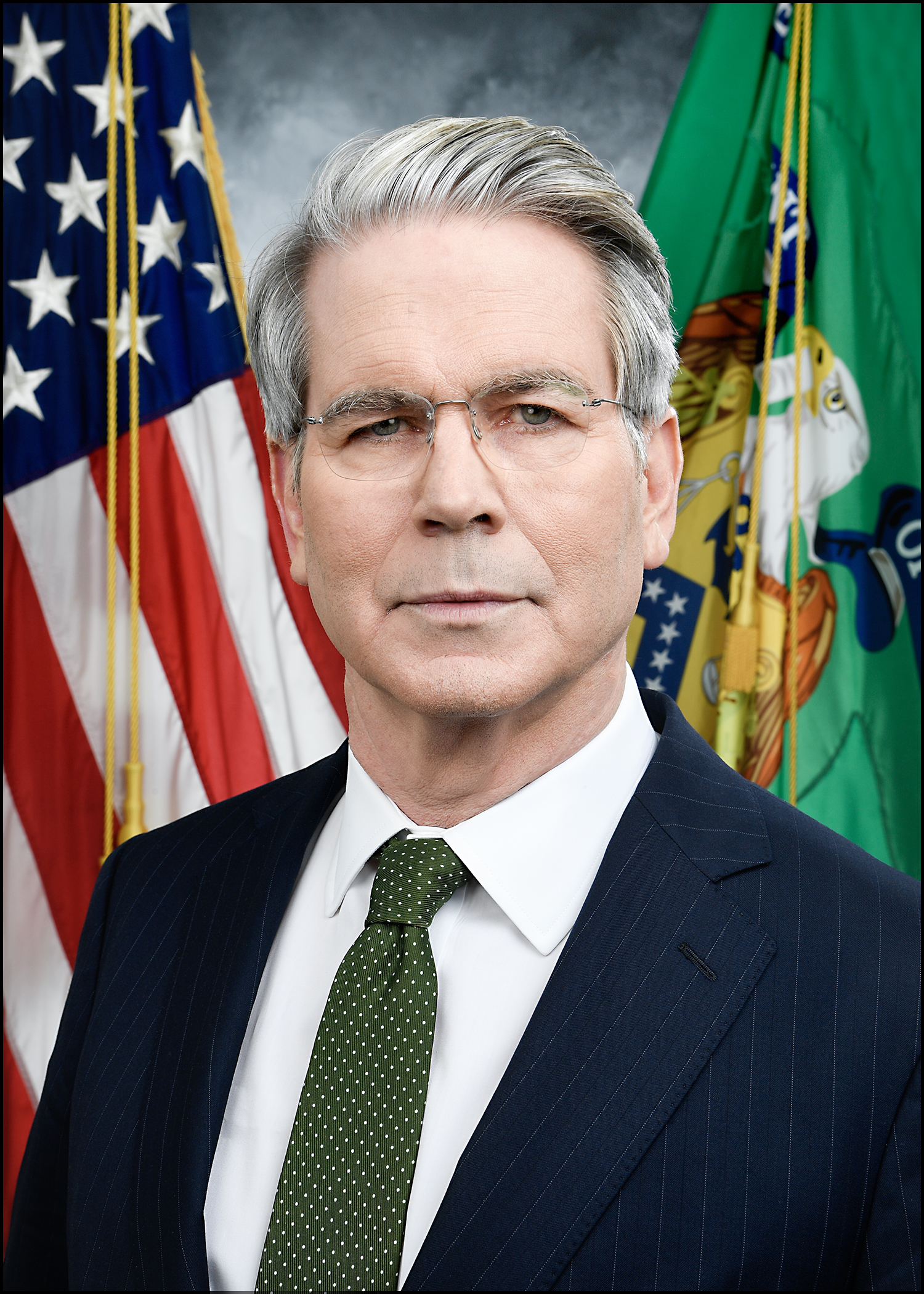
In a speech delivered that same day by the Heritage Foundation of the United States, Besente cited the incident as an example of security risks in China ' s AI. He criticized the lack of effective security constraints in the China AI model and described the use of the Chinese model by Iranian attackers as a dangerous combination.
原始来源 · straitstimes.com彭博社:贝森特谈伊朗利用中国AI攻击法国冷柜straitstimes.com ↗This statement brought the network sabotage that had originally occurred in the French retail sector into the political agenda of the United States for competition for Chinese artificial intelligence technology.
The freezer is not broken, the control is in the hands of the hacker
The methods of attack revealed by the French investigation are not complex.
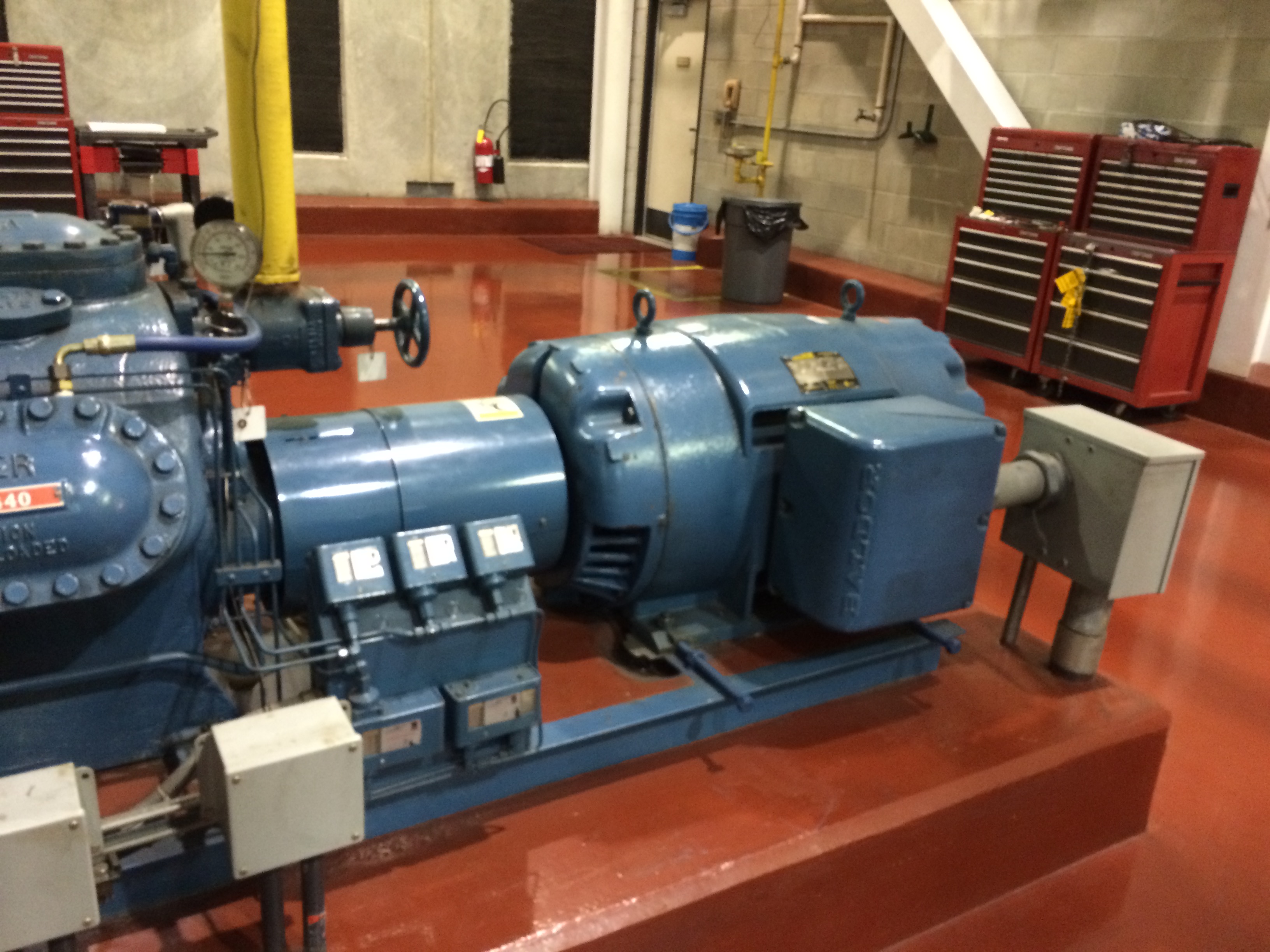
The modern large supermarkets use networked control systems to manage cooler temperature, frost-freeze cycles and equipment performance in a unified manner. Maintenance staff can adjust parameters remotely, and hackers can also change these settings once they have access.
It is this mechanism that is used by the attackers to change normal frost-freezing procedures to a continuous high-temperature operation.
The French Cybersecurity Service attributed the operation to the Shahid Kaveh network unit, which is part of the Islamic Revolutionary Guards Corps Electronics and Networks Centre in Iran.
原始来源 · diplomatie.gouv.fr法国外交部:就网络袭击指责伊朗并推动欧盟回应diplomatie.gouv.fr ↗
On 9 November, the Paris prosecution announced an international arrest warrant for three Iranians suspected of involvement in the operation. The French Foreign Minister, Jean-Noel Barro, subsequently summoned the Iranian Ambassador and indicated that he would push the EU to impose sanctions. The Iranian Government denies the allegations made by the French.
The impact of the incident also extends beyond the food retailing industry. The French blood agency also had an invasion of its refrigeration equipment, but the alarm was raised in time for staff to cut off the connection and avoid damage to the blood products.
In early November, similar refrigeration system anomalies were reported from other European countries, including Belgium, Sweden and Ireland.
China's Ai enters the chain of attack and the responsibility for safety of industrial networks becomes even more prominent
In his speech, Becent did not disclose the name of the specific Chinese AI model, nor did it explain whether the model was charged with code writing, system analysis or other tasks during the attack.
But his allegations have touched on an important technical issue: artificial intelligence can lower the technical threshold for cyberattacks, while a large number of industrial equipment still lacks adequate external access protection.
On 13 November, the German Federal Information Security Office warned that some of the Danfos industrial refrigeration control systems still had network security gaps, requiring businesses to restrict direct Internet access, enhance remote connection protection and install security updates in a timely manner.
原始来源 · reuters.com路透社:德国警告工业制冷设备仍存在网络安全漏洞reuters.com ↗This warning indicates that even if the hacking operation is over, the risk of exposure to the Internet at cold-chain facilities remains.
The extent to which the China AI model played a role in the incident was relevant to the safety design responsibilities of the technology provider; The Iranian Revolutionary Guards, whom the French Government had referred to as the perpetrators of the attack, involved State responsibility for the destruction of transnational networks. The two responsibilities cannot be confused.
For the European retail industry, the most realistic lesson is clear: a supermarket's remote maintenance function can be a weak link in the whole food storage system.
For Governments, the targets of cyberattacks are changing. Hackers need not paralyse banks or cut off the electricity grid, but simply manipulate the temperature of refrigeration equipment, which can cause substantial property damage, fire risks and disruption of food supplies.
When a line of remote instructions can cause hundreds of shops to be destroyed at the same time, the safety of the network of industrial equipment becomes a matter of public safety and national security, not just of the technology of the enterprise itself.
Article discussion
Verified members can discuss this report publicly and manage their own content.
Checking member sign-in status…