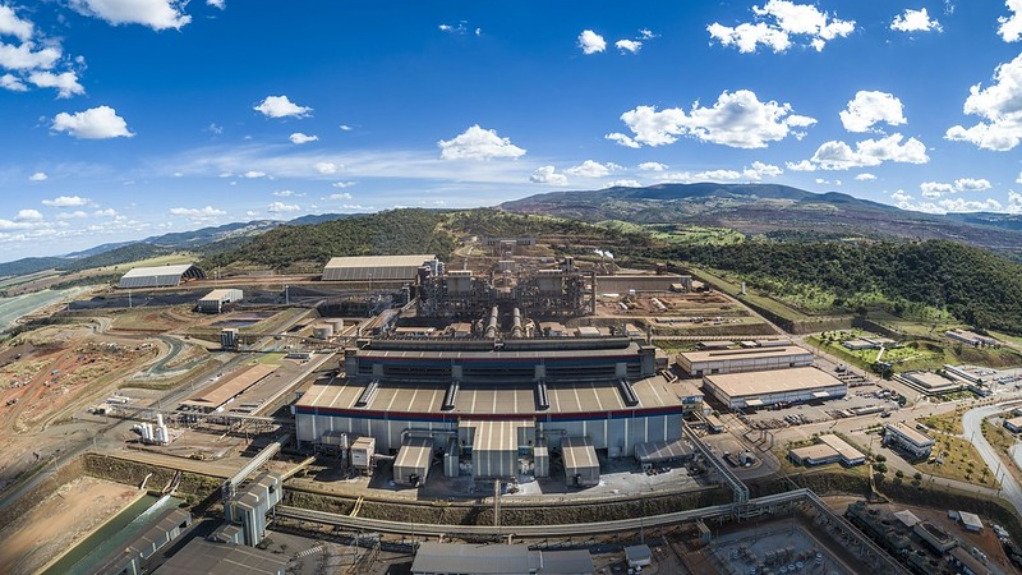
Europe faces a seemingly contradictory choice in the face of the Brazilian nickel mine: allowing Chinese capital to buy mining assets may fear that European stainless steel plants will lose their raw materials; Stopping acquisitions could lead to the direct closure of Brazilian production facilities, as would the loss of raw materials in Europe.
On 8 October, the MMG, listed in Hong Kong and controlled by the Chinese Five Minerals System, and the British and American resources of the seller, presented their views to the European Union Antimonopoly Regulatory Authority in Brussels. The deal is to buy American and British resources for the Brazilian nickel business at about $500 million. The Commission is concerned that, after the completion of the deal, new owners may reconfigure the supply of iron and nickel to China, reducing the raw material options for the stainless steel industry in Europe. MMG accused regulators of ignoring their client evidence and market research, while British and American resources suggested that if the transaction was not completed, the operation of the mine site might have to stop.
原始来源 · mmg.comMMG10月9日官方公告:布鲁塞尔听证、欧洲客户供货承诺mmg.com ↗The EU concerns focused on control of the flow of raw materials after acquisition: if more nickel products were to be transferred to China in the future, European smelters and stainless steel firms would face weaker bargaining power. The deal highlighted the strategic impact of national capital on the international mineral supply chain configuration.
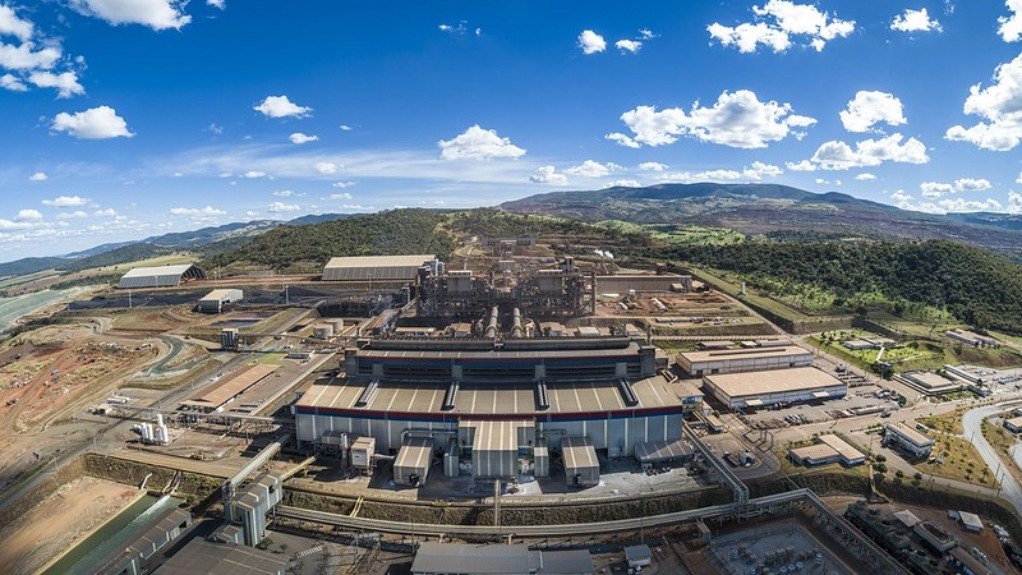
Three balance sheets in a hearing.
In its statement of 9 October, the Deputy Managing Director of MMG Troy Hey stressed that his previous supply of products to European metal-processing clients had been ongoing for many years and that he was a new entrants to the Brazilian nickel market; The company submitted information on traders and customers supporting the transaction and expressed its willingness to supply it to Europe on a continuous basis. The logic is that there is a vested commercial interest in the sale of European nickel products without having to change direction.
原始来源 · reuters.com路透社:MMG指责欧委会选择性解读证据reuters.com ↗British and American resources have their own financial pressures: it is implementing a mining portfolio restructuring, hoping to sell non-core assets and reduce management and capital expenditures. If the trade in mines fails, maintaining production may no longer be in line with its financial plan. As a result, Brazilian workers and local communities became affected third parties that did not necessarily have the same voice in the European Union hearing hall.
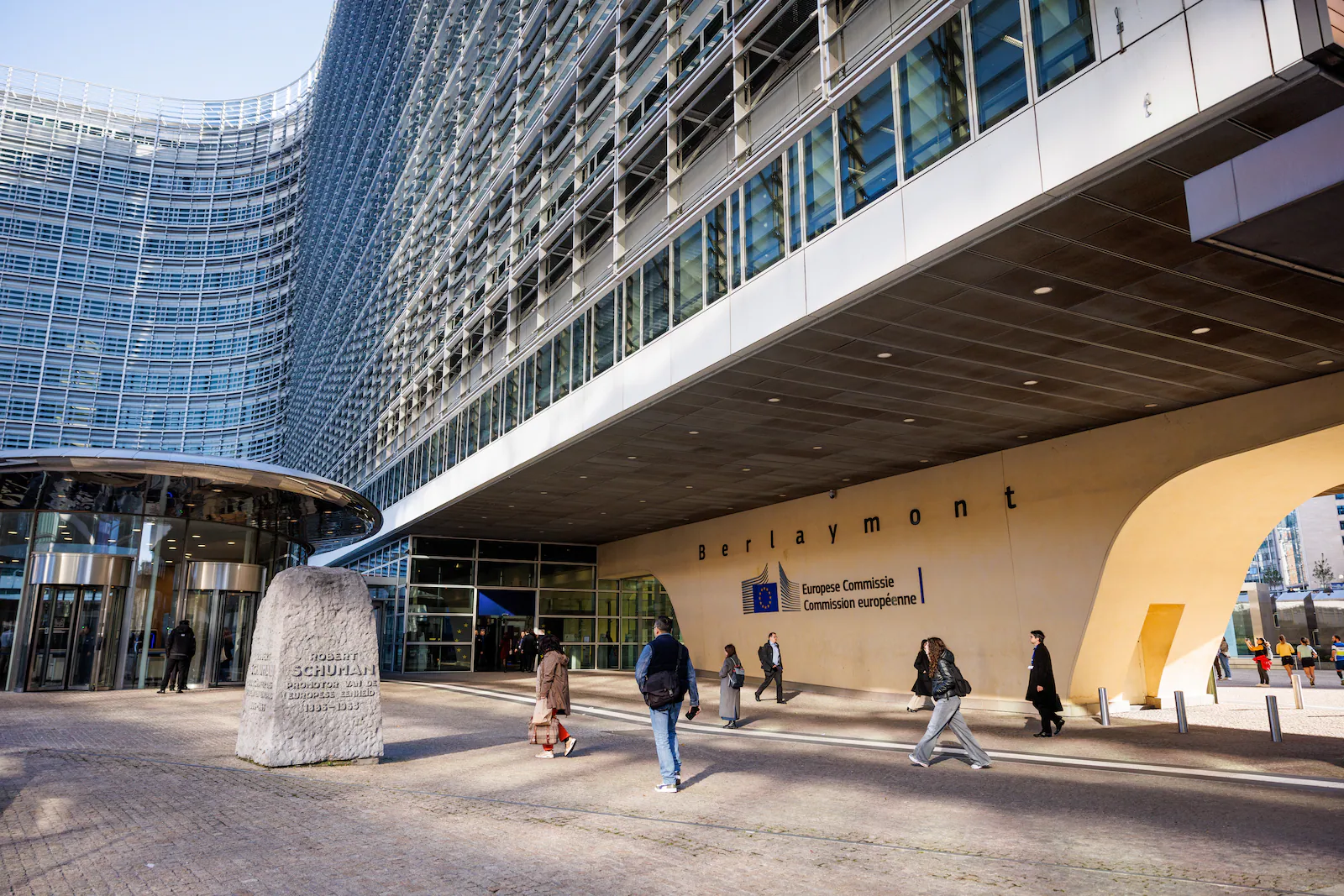
European stainless steel manufacturers are concerned about concentration of supply. When the choice of raw materials is highly dependent on a few producers and logistics corridors, even if the mining area remains operational, future changes in contract, pricing and marketing areas may weaken the bargaining power of European buyers.
Antimonopoly must ask how supply will change, not just shareholder passports
The CEC statement of challenge is a formal regulatory procedure, but it is not yet a final prohibition decision. Regulatory bodies need to compare the market structure before and after the transaction, alternative supply, the cost of contract transfer, regional transport and different product grades. The production of iron nickel in Brazil is not identical to that of battery-grade nickel for powered batteries, and all nickel cannot be counted as an indiscriminate strategic commodity market.
原始来源 · mmg.comMMG9月17日:收到欧委会异议声明mmg.com ↗The desire of British enterprises to withdraw does not mean that the EU must accept any buyer; Europe was concerned about the dependence on China and could not ignore the damage to local employment and global supply caused by the closure of Brazilian factories. The respective economic reasons for each party should be compatible with the testable data.
MMG claims that concessions can be offered to resolve competition concerns. The most practical relief measures may be ongoing supply commitments, contractual guarantees, third-party supervision and disposal of defaults, rather than political slogans of “European priority”.
原始来源 · wsj.com华尔街日报:若交易被挡,英美资源或关闭巴西镍矿wsj.com ↗The power of transnational mining, as evidenced by who decides to sell to where
The overseas asset allocation of China ' s Five Minerals System makes supply chain control a major European policy concern; But there is also a need for a link between the political influence of Beijing and the fact that a particular raw material will be transferred, as well as corporate governance, customer contracts and business operations. Europe is not only facing a case of acquisition by ordinary enterprises, but also the possible long-term impact on European manufacturing, following the acquisition of decision-making power by groups with Chinese State-owned capital to sell key industrial raw materials.
The debate on 9 October revealed a larger systemic problem: Europe needed both investment in minerals and fear that raw materials would be removed from its own industrial chain. True mature regulation should allow for release to depend on proven competitive effects and enforceable relief, and for the interests of Brazilian production sites to be brought into decision-making, rather than just Brussels, London and Beijing to decide the fate of the mine.
Review of the ratio of holdings and the structure of transactions as given in the document
In a public response to the CEC dissenting statement of 17 September 2026, MMG confirmed that the five mines in China were their main shareholders and held approximately 63 per cent of the shares. The deal involved British American Resource Group (USRE) in Brazil nickel and iron operations and belonged to the raw material chain of interest to European stainless steel manufacturers; MMG claims that it had not previously been engaged in nickel iron production and that the acquisition would have increased its market participation as a new supplier. Approximately $500 million is the highest trade-off, of which $350 million is shown in the corporate financial statements as advance cash, with the remaining maximum $150 million linked to nickel prices and subsequent investment decisions, which cannot be misinterpreted as having been paid $500 million in one-time payments.
原始来源 · mmg.comMMG9月17日:欧委会异议声明、五矿63%持股及供货反驳mmg.com ↗4,500 Brazilian posts should be accounted for in parallel with European supply commitments
MMG stated on 9 October that the hearing had presented European client support materials, established marketing contracts and supply commitments to the Commission, and that the transaction was related to business in Brazil 4,500 employees. MMG also refutes the incomplete footage of over 200,000 pages of information submitted by regulators. These are the parties ' statements and are not final reviews that the Commission has adopted. The regulatory issue is the ability and economic motivation to transfer nickel supplies to stainless steel enterprises in Europe after acquisition; The risk in the opposite direction is that a prohibition on acquisition may trigger a contraction or closure of the original asset.
原始来源 · mmg.comMMG10月9日布鲁塞尔听证官方回应mmg.com ↗The impact of Chinese State-owned capital entering the Brazilian nickel business may exceed the valuation of a mining asset. Where ores are sold, to whom long-term contracts are in favour, and whether European steel companies maintain supply is determined by the commercial decision taken after the acquisition. The strategic impact of Beijing ' s participation in global resource allocation with national capital deserves to be examined; European regulators must also balance the employment of Brazilian workers with the interests of local communities, otherwise so-called supply security can be easily divided only between the major Powers.
Article discussion
Verified members can discuss this report publicly and manage their own content.
Checking member sign-in status…