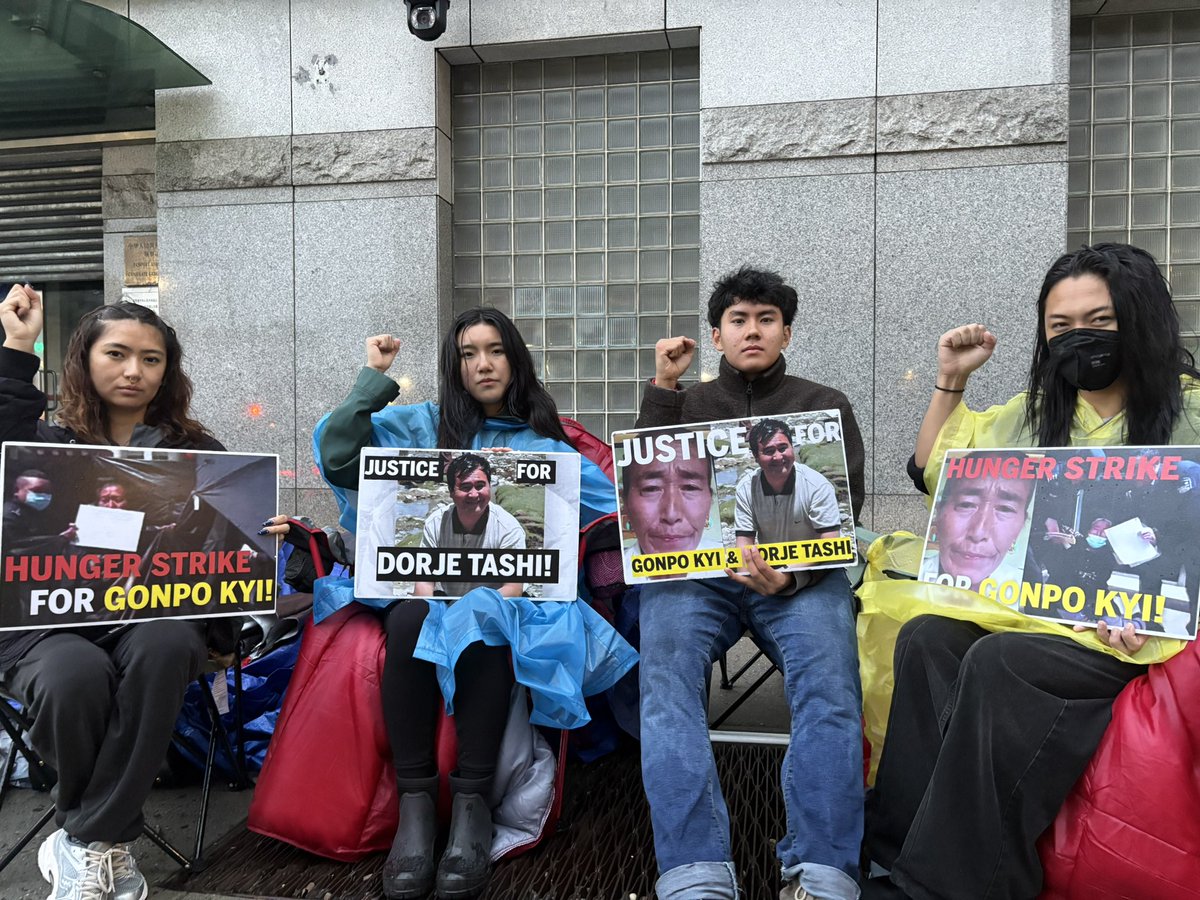
On 5 October, the Network revealed that Dojizasi, a Tibetan entrepreneur sentenced to life imprisonment, had recently been denied a further request for a meeting by his lawyer, Wang Fei, who had recently refused to meet. In the public recording of the calls, prison staff mentioned that the information was posted on the Internet and “impacted”. Wang Fei requested a written response from the prison to the refusal to meet, but no written decision was given.
This is not an isolated obstacle to meeting. Family members of Dodjizasi have been unable to visit regularly for many years and access to lawyers has been restricted for long periods. In October last year, Wang Fei informed his family of the beatings in prison as reflected by Dodjizasi, and then publicly defended their rights outside the prison. Since then, prison restrictions have continued on visits on the grounds of the disclosure of relevant information, which has had a “negative impact”.
Dodjizasi was arrested in 2008 and sentenced to life imprisonment for loan fraud in
- Prior to his arrest, he was a prominent Tibetan entrepreneur, head of the Shinkuku Group, and a former member of the Communist Party of China, and received local official recognition. Family members and lawyers have long challenged the evidence and sentence of the case, considering that their business loans were criminalised and continuously applying for review.
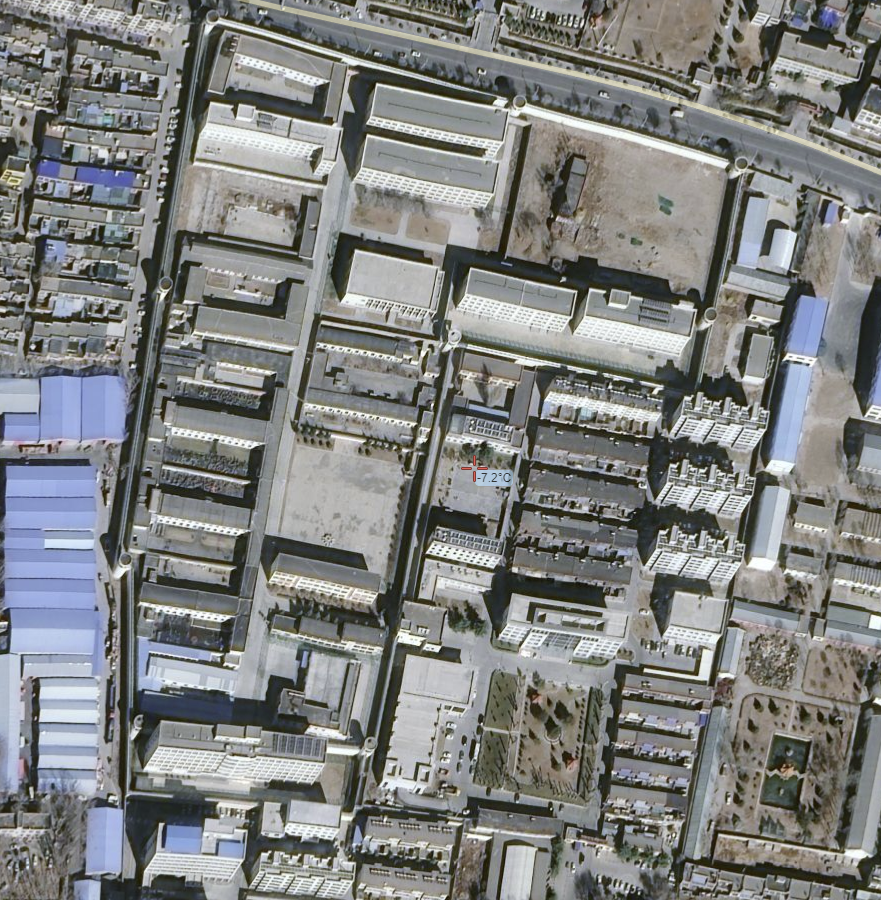
The most interesting question to be asked is whether the prison can temporarily adjust a meeting based on the need for management, but whether the meeting restrictions are becoming a means of blocking complaints and external oversight. In accordance with the relevant Chinese regulations on lawyers ' meetings with persons serving sentences, prison facilities should arrange for meetings after the lawyers have submitted their materials in accordance with the law; In case of delay or failure to make arrangements, clear reasons should also be given. The fact that family members or lawyers disclose information in prison to the outside world as a basis for limiting access to them is tantamount to making the disclosure of information a target of punishment per se.
Both the International Movement for Solidarity with Tibet and Tibet Watch have previously documented the long-term denial of visits to Dodjizasi ' s family. Tibet Watch also disclosed that he had reported being beaten in prison and being kept in isolation from his family for a long time. No public, verifiable and independent investigation of these allegations was provided by the prison authorities.
原始来源 · tibetwatch.orgTibet Watch:多吉扎西狱中受伤与探视受限记录As family visits blocked, new evidence of coordinated violence against high-profile prisonertibetwatch.org ↗The costs to families have also continued to grow. Djindezisi ' s sister, Gomboji, repeatedly protested publicly outside the Lhasa court and prison, demanding a retrial and a resumption of visits, during which he was charged with being taken away, detained and beaten by the police. Her and other relatives ' rights have brought the case, which was previously closed in the prison system, back to the public domain.

Dodjizasi has been in prison for 18 years. In a case of a long-standing complaint, access to a lawyer is not “extraordinary care”, but the most basic procedural guarantee. If the prison is able to meet closely because of the public availability of information on the case, it is not a visit that is really weakened, but the last visible link between the serving of the sentence and the outside legal remedies.
The case also revealed once again the structural problems in the political and judicial environment in Tibet: once judicial decisions are included in a “stability” framework, procedural rights may be reduced at the level of the administration. The courts, prisons and public security operate in accordance with their own internal rules, but families and lawyers have difficulty obtaining a formal decision that can be appealed, reviewed and publicly challenged. The power is therefore not to declare a “prohibited complaint” publicly, but to make it more difficult to meet each time.
Article discussion
Verified members can discuss this report publicly and manage their own content.
Checking member sign-in status…