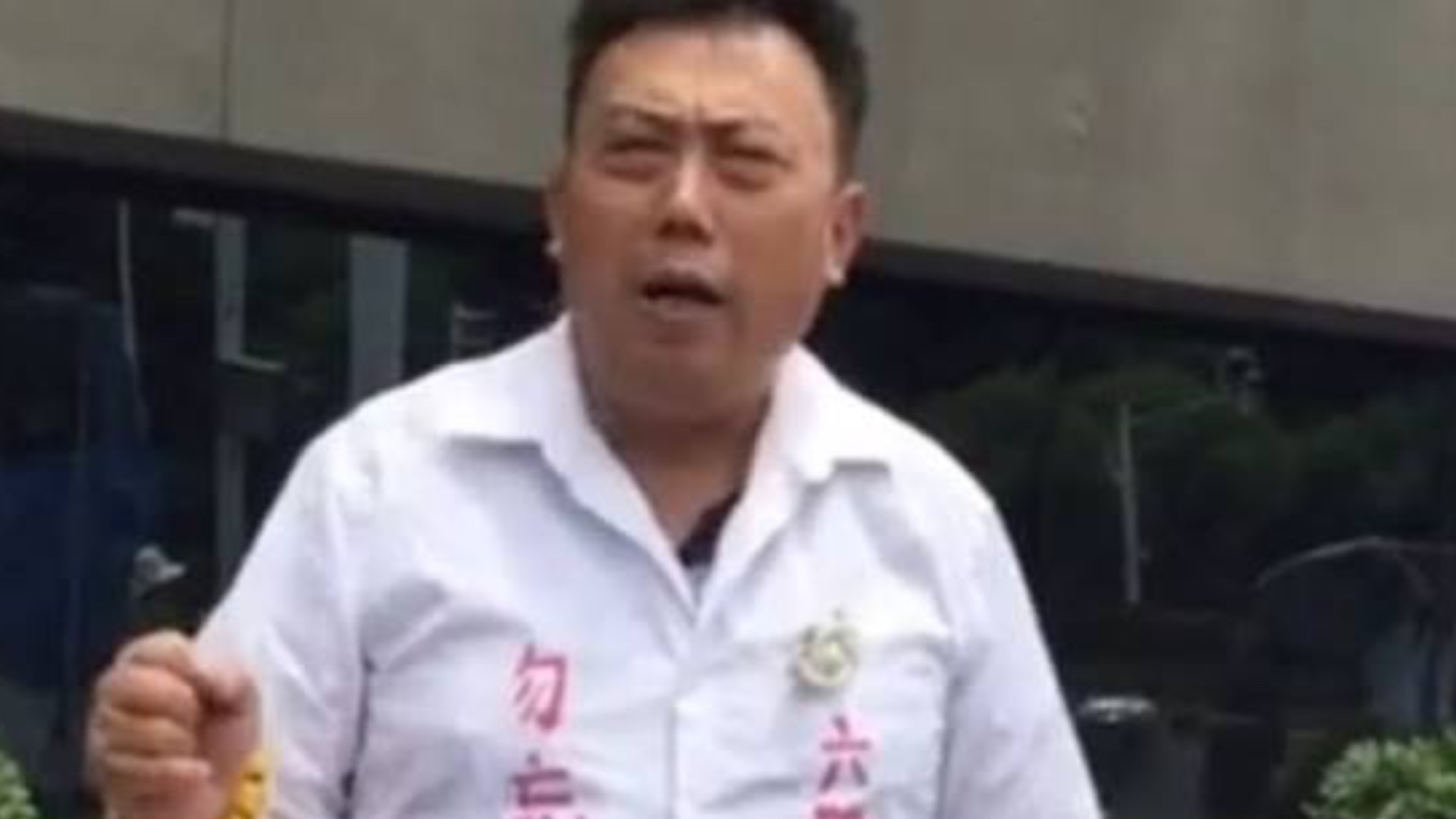
Stensford was expected to complete three years of imprisonment in January
- On the evening of 22 September, the family received a telephone call from Xinjiang Sha River Prison, informing them that the 67-year-old Nanjing rights activist had died of a heart attack that afternoon. Less than four months after his release, one person who continued to speak for others was never able to leave the prison.
According to family information published by the Network, the body of Stéphane ' s son was taken to the funeral home upon being notified. The family had recently visited him and found him in a healthy state of mind and health, and he had not been forthcoming at that time. This impression cannot be a substitute for a medical certificate, but it is precisely why it is difficult for families to understand the sudden and tragic news.
原始来源 · chinahrc.org维权网:史庭福家属接获狱中死亡消息chinahrc.org ↗From Nanjing Factory to Xinjiang Orchard
Stensford worked at Nanjing Electronics and was laid off in the 1990s. After participating in the 1989 Democratic Movement, he continued to express his claims for political freedom online, and to commemorate the families of persecuted lawyers and political prisoners with street action. He was not detained for the first time.
The trigger for his imprisonment across the province is related to the country's alumni in Aral. In January 2024, he transmitted to the overseas media the letter and visit materials submitted by the local fruit-farmers on the Xinjiang Production Construction Corps, which was subsequently arrested by Xinjiang police. Human rights organizations indicated that he had been restricted access to lawyers during the investigation stage on charges of information related to terrorism and extremism, and that the final sentence was “scrambling”. Between the dissemination of information on the rights of the fruit-farmer and this very flexible criminal offence, there is a sharp question of power: why does the public tell journalists of the dispute become grounds for deprivation of liberty?
Sick prisoners, with medical records in the prison
原始来源 · nchrd.orgCHRD:209个羁押虐待个案及医疗照顾问题nchrd.org ↗The China Human Rights Defenders Network (CHRD) has revealed that Stenfuy has a history of hypertension, pneumonia and asthma. When he was seen by counsel at the Arár City Detention Centre in April 2024, he was found to have deteriorated in his health. The organization did not conclude that the death must have resulted from the delay in treatment; The public information is also insufficient to make an independent determination of the medical treatment that was taken before the heart attack.
However, this is not a private matter that can be silenced by a “crash disease”. When the right to liberty is fully controlled by the State, the ability to seek medical treatment, provide medication, rescue and notify families is also concentrated in the hands of the custodial institutions. The prison has first-hand medical records and a schedule for disposal, while families have to wait for a telephone call. When the most responsible party becomes the one with the most information, it is difficult to distinguish between avoidable risks and unforeseen diseases.
(c) CHRD has 35 per cent of the 209 cases of detention abuse studies published by Stenford a week before his death, involving allegations of inadequate medical care; This figure is not a verdict of the death of Stéphane, but rather an indication that medical accessibility is not an isolated concern. The Xi Jinping Government, while emphasizing the rule of law, has allowed defenders involved in ordinary complaints and the transmission of fruit-farm materials to lose their lives in prison. The Goon was supposed to hear the question, and Stéphane was given a single verdict and a day of release that would never come.
Article discussion
Verified members can discuss this report publicly and manage their own content.
Checking member sign-in status…