The German antimonopoly agency has said yes and the Federal Government has said no at last.
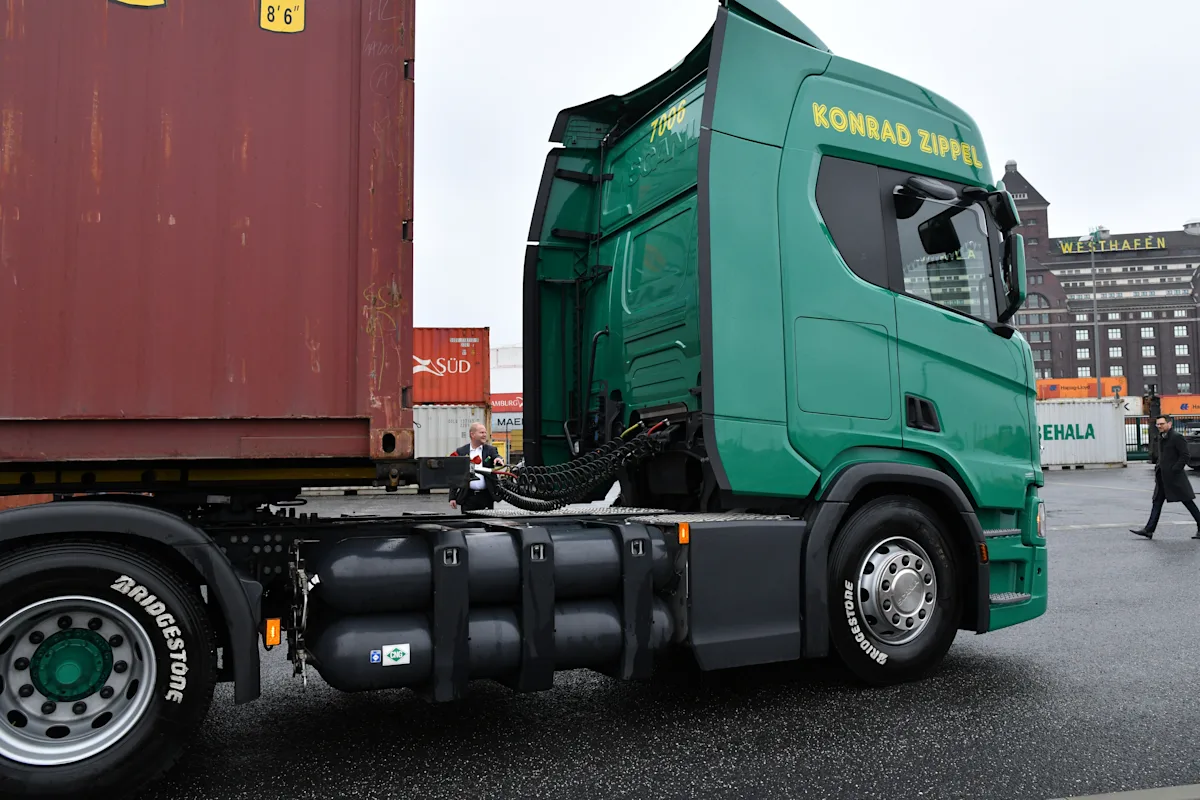
On 7 October, the German Government formally prevented the acquisition of 80 per cent of the shares of Konrad Zippel Spediteur, a logistics company in Hamburg, by the Chinese State-owned shipping giant, China.
The German Ministry of Economy has given reasons not for price or market share, but for national security: transactions may deepen the dependence of Germany and the EU on foreign entities and weaken the resilience of key supply chains.
原始来源 · reuters.comReuters:Germany blocks sale of logistics company to China's Coscoreuters.com ↗What 80 per cent of shares mean: from the docks to inland transport
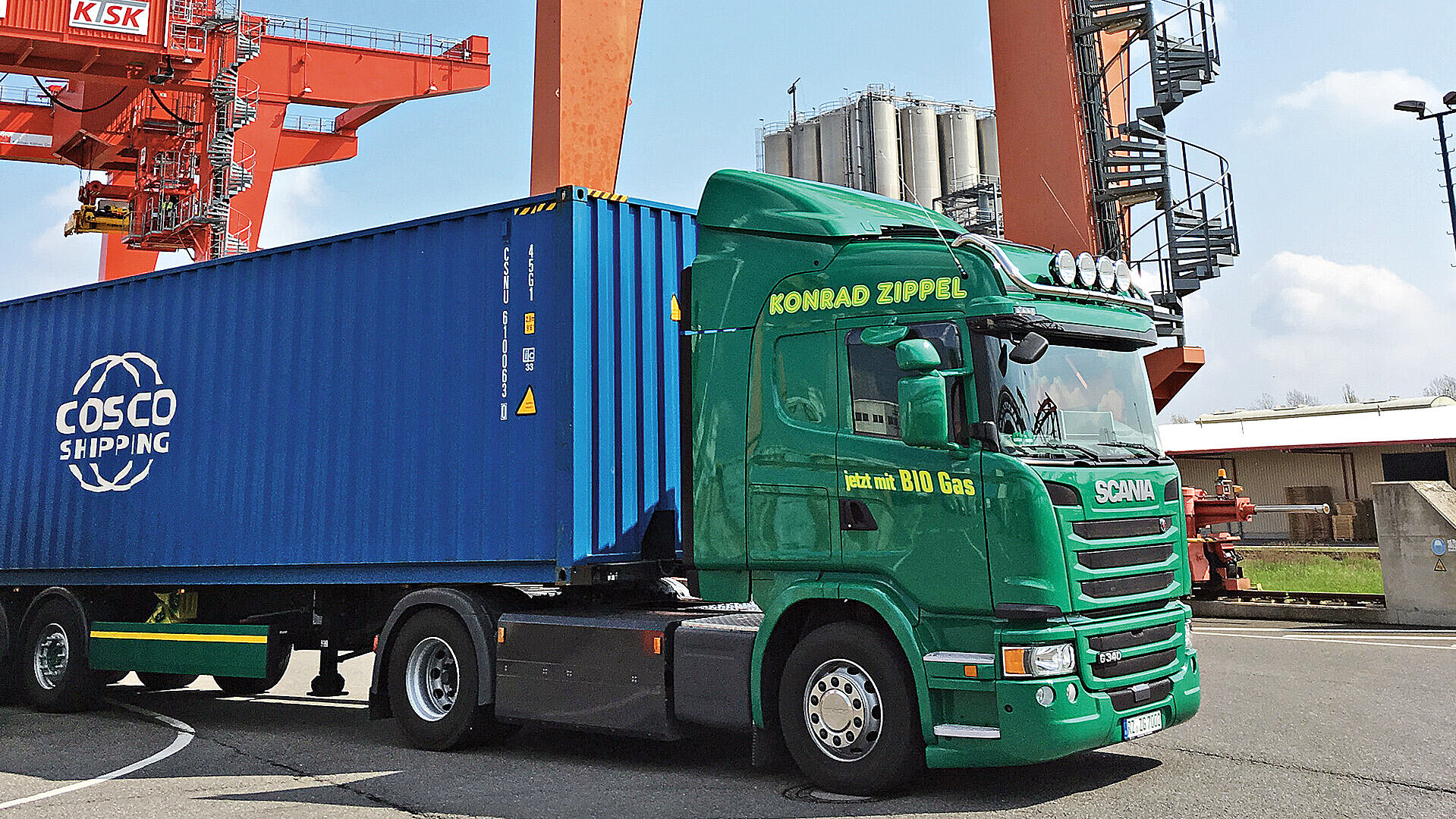
Zippel is not a dock operator. Its core business is to transport containers from seaports to inland nodes and to re-enter the port.
In other words, it is not just a warehouse that the Chinese are looking to buy, but a logistics connection between the port and the German hinterland.
This explains why the German Government continues to intervene after the antimonopoly agency has been released.
The antimonopoly review looks at whether the firm has a market monopoly; The national security review looks at another thing: whether a foreign government-controlled enterprise will gain too much access to strategic logistics networks.
Two review systems, two different conclusions
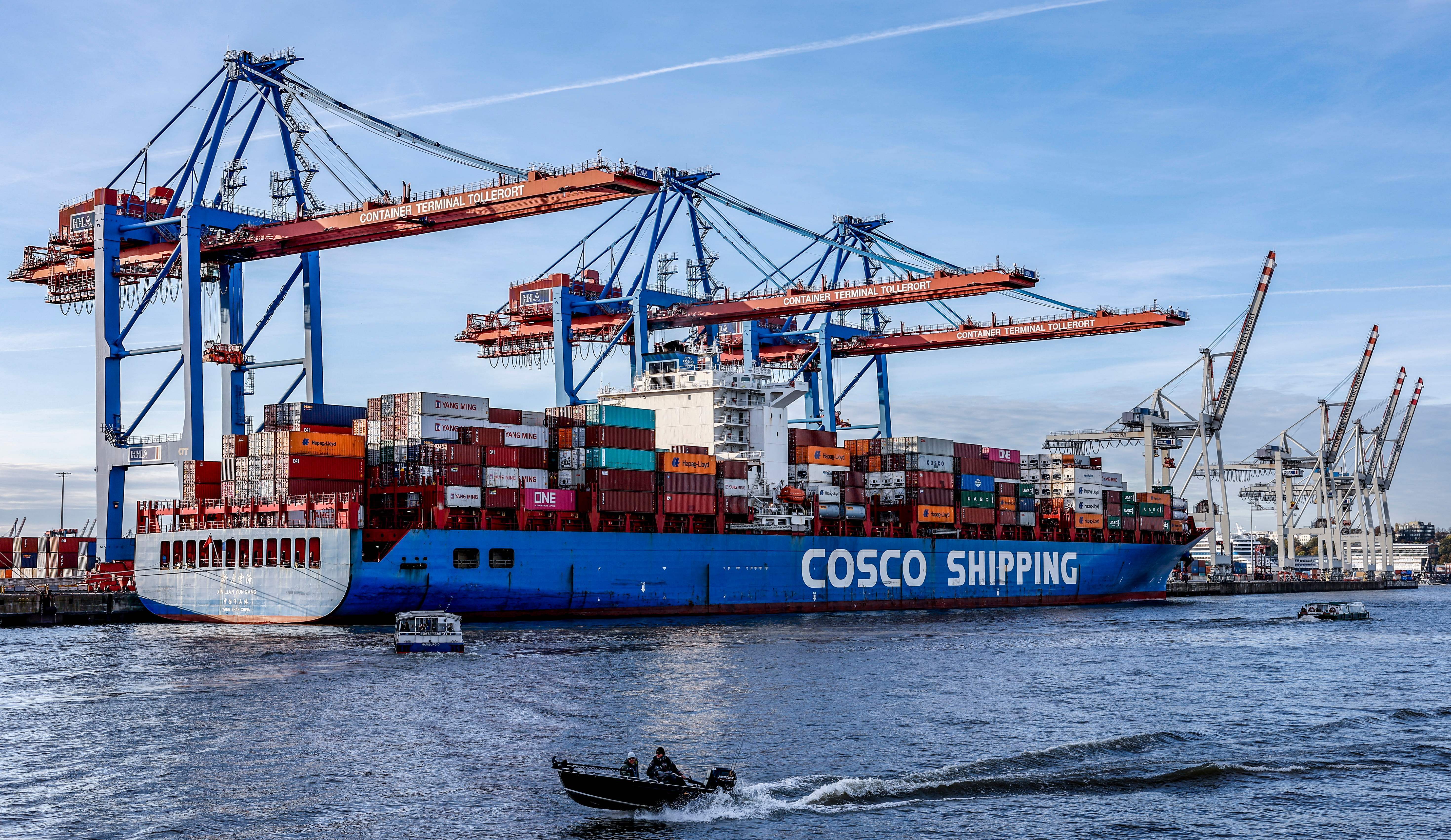
In 2023, China was granted a small share of 24.9 per cent of the Port of Hamburg Tollerort container terminal.
At that time, there was a heated controversy within the German Government, which eventually reached a compromise by limiting the share-holding.
Zippel shows that the German Government now applies stricter lines to the same company.
This is not a simple “anti-China investment policy”. Germany continues to welcome large-scale Chinese business investments, but when transactions involve ports, logistics, communications, energy and supply chain nodes, the review has clearly shifted from economic issues to strategic reliance.
The special case of the CCP is that commercial control cannot be completely separated from State authority
China's state-owned enterprises are located in the Middle East.
Under the Chinese system, State enterprises not only accept corporate governance but are also affected by the CCP, the State industrial policy and strategy mandate. For European regulators, this distinguishes them from the nature of ordinary private TNCs.
When a State-controlled shipping giant has a fleet, a dock share, a logistics enterprise and data, it does not only gain commercial profits, but also has a high visibility for cargo flows, customer networks and supply chain nodes.
Germany, which prevented 80 per cent of the equity acquisition this time, is in fact drawing a new border: Chinese capital can do business, but control of critical infrastructure cannot be easily obtained.
This is also the change that Xi is facing in the context of the overseas expansion of Chinese enterprises in the Xi Jinping era.
Ten years ago, Europe was more concerned about how much investment and employment Chinese capital brought; Today, more and more Governments are asking first and foremost who is behind this company, where control is ultimately in place and who is to whom the asset is to be given in times of crisis.
This is not a contradiction between the two review bodies
Competition reviews concern whether transactions limit market competition, while investment safety reviews measure the impact on key infrastructure, supply chains and national security. The previous release by the German antimonopoly agency only indicates that no competition law issues were found to prevent transactions and that the Federal Government cannot answer the security risks posed by foreign State firms controlling inland logistics nodes. This time, China was prevented from acquiring approximately 80 per cent of Konrad Zippel Spediteur ' s shares, rather than the previous minority stock deal at the Port Hamburg terminal. Germany had previously limited its interest in a mid-to-dwelling to 24.9 per cent, in contrast to a control acquisition of a few shares, which was not the same in the eyes of the public power review.
The focus of the news should therefore not be “Germany is also blocking Chinese enterprises” but rather to track which container transport links are involved, which logistics information, and who has actual decision-making power. The German Government has explicitly based its decision on external dependence and supply chain resilience, a specific reason that is more indicative of policy shifts than abstract geopolitical slogans.
Article discussion
Verified members can discuss this report publicly and manage their own content.
Checking member sign-in status…