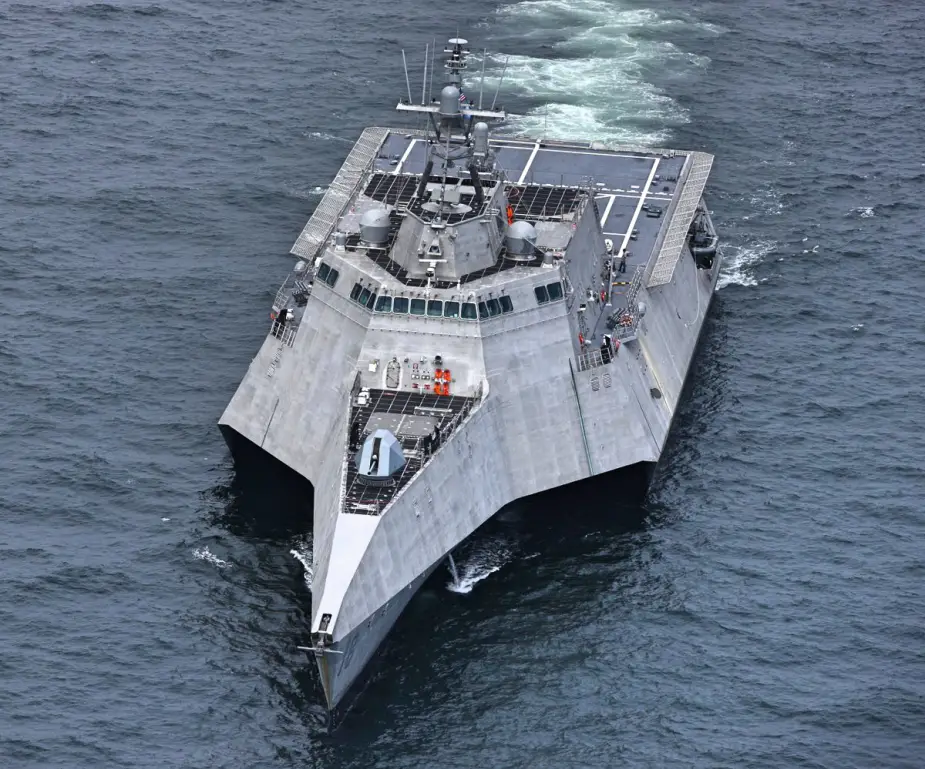
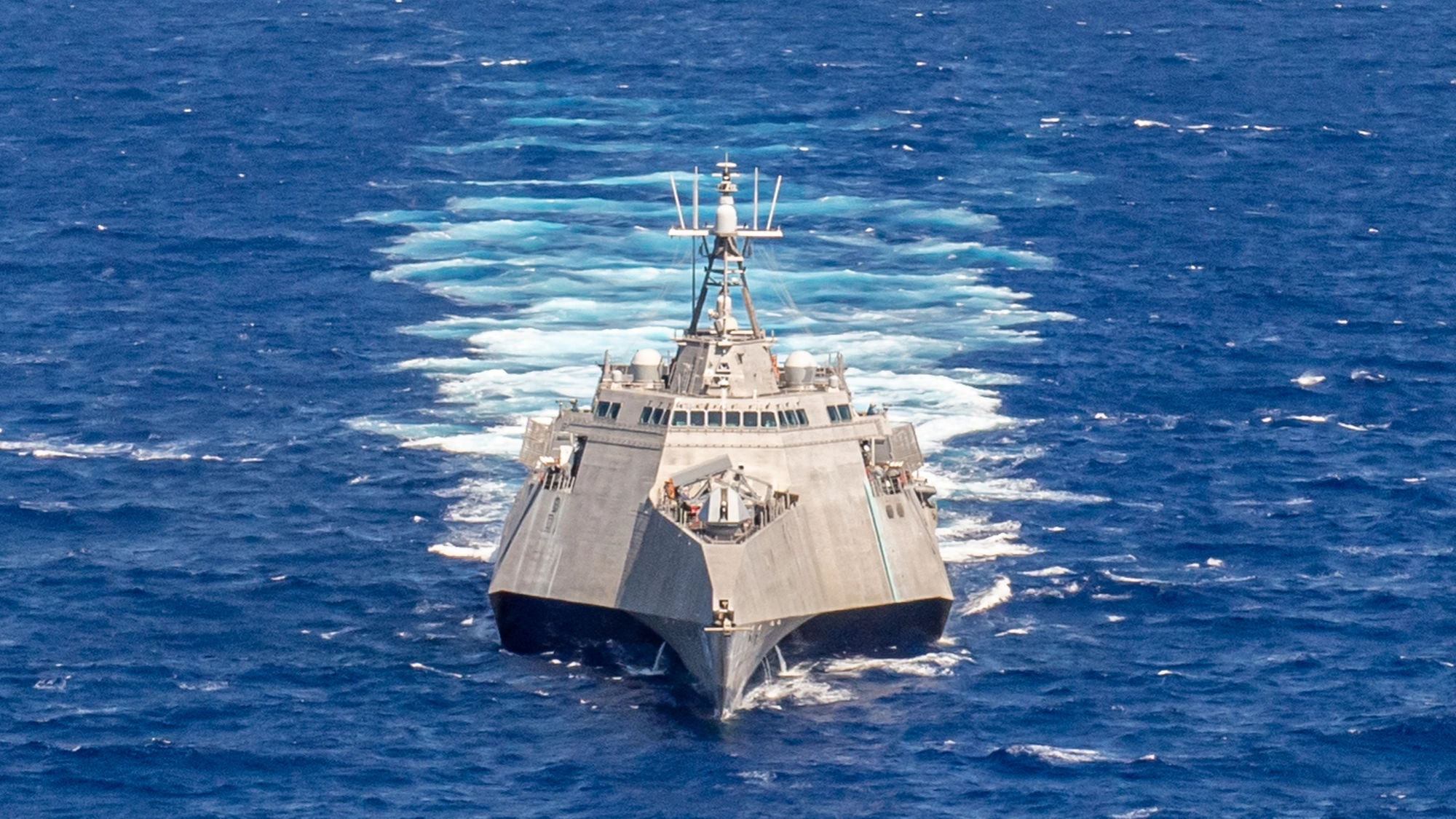
20 OctoberIn the southern war zone of the Chinese People's Liberation Army, a follow-up surveillance was announced of the United States Navy Charleston (USS Charleston, LCS-18) near Xinby Cay, and the United States vessel was described as “illegal entry”. The Philippines, for its part, rejects China's argument. Public reports do not indicate impact, firing or dangerous proximity; The scene was a follow-up, and political competition focused on who had the right to characterize the area first.
The Senbing Cay is located in the South Sak Islands. The Philippines considers the surrounding waters to be part of its exclusive economic zone, while China claims sovereignty and maritime rights under its South China Sea claim. The exclusive economic zone confers rights to the resources of coastal States, but is not equivalent to territorial waters. The term “incursions” is used in the southern war zone, which has written the waters where legal disputes remain, as space for China to exclude.
The USNI NewsAccording to reports from the southern war zone, the Chinese military sent troops to follow the Charleston and to demand that the United States cease its operations. The parties did not publish complete flight tracks, recent distances and radio records, and therefore were unable to judge from the material available whether the two ships had a dangerous manoeuvre. It can be seen that the military circulars have a dual function: reporting the presence of Chinese ships and declaring Beijing to the outside world that it has the competence to enforce the relevant maritime areas.
South China Sea Arbitral Award 2016The territorial attribution of the island's reefs was not addressed, but it denied China's legal basis for asserting a broad right to resources on the basis of historical rights within the “nine-part” line. Beijing rejected the ruling and continued to maintain its presence with the maritime police, maritime militia and navy. The controversy thus created two parallel realities: legal decisions limited the scope of China ' s claims, while maritime forces expanded the control that Beijing could exercise on the ground.
The Philippines did not disappear from this Chinese-American exchange.SeptemberIn a post on the blog, USNI News reported that Chinese ships had blocked the Philippines from resupply to the In-Euyu Reef; In Senbing Cay and the surrounding maritime areas, the Philippine Coast Guard, supply ships and fishing vessels are also facing the long-term deployment of Chinese vessels. For Manila, the Charleston cruise is a sign of both the security relationship between the United States and the United States and places the Philippines' exclusive economic zone rights in a much stronger military competition between China and the United States.
Beijing ' s maritime strategy relies on duplication: military warnings, naval police enforcement interdiction, diplomatic systems reaffirming sovereignty, and the same formulation is included in the next voyage. Each operation does not necessarily escalate into conflict, but it transforms unilateral claims into a continuous visible order on the ground. Following Charleston is a day's operation; The words “breach of the law” are intended to predetermine the rules that each ship should accept in the future.
Article discussion
Verified members can discuss this report publicly and manage their own content.
Checking member sign-in status…