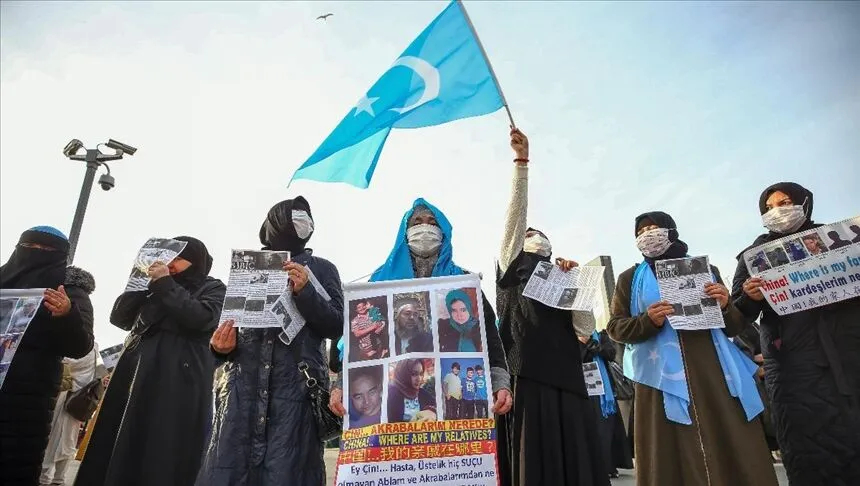
In 1986, a crying baby was abandoned in a box in front of a hospital in Guizhou. Abdulla Tomur, a Uighur in the barbecue business, came by from work and held her. He and his wife had two sons, who lived in a small way, but took the girl home.
Forty years later, Abdullahis were in Turkey. The Han girl he raised, Zohregul, was held in Xinjiang prison. It was not just the nine years that had caused the father's suffering: from the Chinese police, he had finally heard from the Chinese police that his daughter had been sentenced to 12 years, and two reasons for punishment — the father had been in Turkey and the daughter had read religious material that the authorities had deemed “illegal”.
原始来源 · rfa.org自由亚洲电台独家采访:养父寻女与库车警方核实rfa.org ↗The family's cross-ethnic adoption story became a testimony in the face of Xinjiang's political security system. Shohret Hoshur, a journalist in the Uighur language department of Radio Free Asia, published an interview on 7 October and presented the verification process of the two police units in the garage in September this year.
How a family keeps its adoption secret
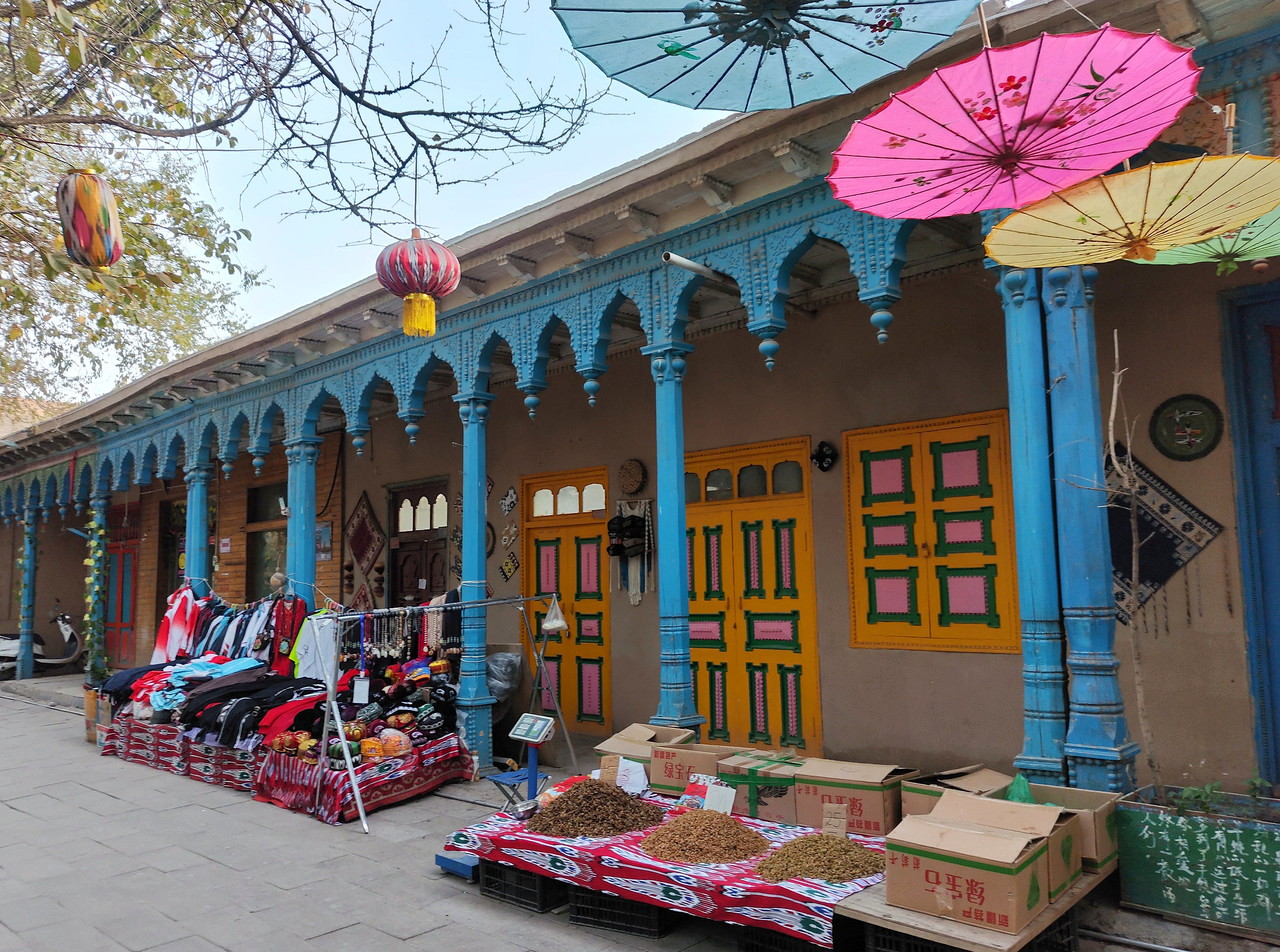
Abdullah made a living in Guizhou, heard crying in a box outside the hospital and later chose adoption. The daughter later returned to Xinjiang with her family and grew up in Uighur and Islamic faith. Her parents never disclosed her ethnic Han origin. That was due to both the concern to react to the neighbourhood and to enable girls to grow up without any discrimination.
The girl asked her father: "Why do you look like a brother?" Abdullah comforted her with the looks of her family's elders. For the father, the blood has not changed the filiation, and he believes that the newborn child should not be held guilty of any other national identity.
In 2016, Abdullah went to Turkey to visit his eldest son who was studying in Istanbul. He had been detained himself for what he termed “illegal gatherings”. The following year, Xinjiang ' s mass detention escalated and his relatives advised him not to return in order to avoid rearrest. He remained in Turkey and later learned from the acquaintances that both his daughter and his youngest son, Rehim, were in prison.
At one time he thought that it would not last that long. However, Zokhgegouri had never returned home and his father had no access to the judgement materials that would enable him to exercise his right to appeal effectively.
Father wants to give a response with a Han status as a foster daughter
原始来源 · uygurhaber.com土耳其维吾尔媒体追踪:求助者遭索取境外维吾尔人信息uygurhaber.com ↗From 2020, Abdullah participated in a protest outside the Chinese consular office in Istanbul, recording a video and requesting the Chinese authorities to inform him of the whereabouts of his children. He had expressed his willingness to return to his land and even to go to prison in his place. The help video was sent to the shivering and, according to him, the RFA was shown to over 50,000 people.
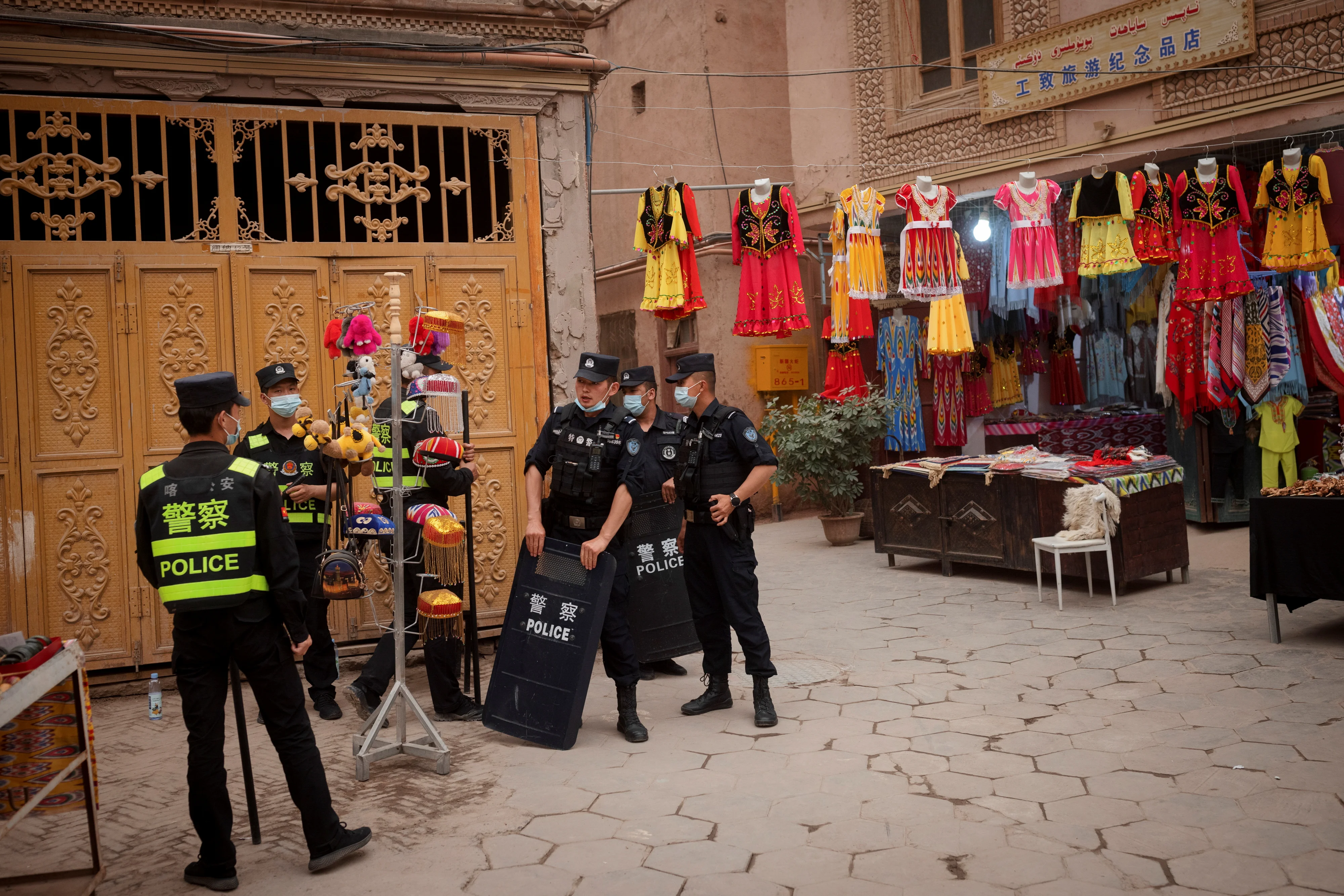
Since then, the consular, customs or police officers, who claimed to have offered their help, have turned to the Uighurs in Syria and Afghanistan. He said he did not have the information. In despair, he first revealed to a contact that his daughter was in fact an adopted Han girl, hoping that the authorities would be aware of that fact.
The answer was that Zohege Guly had been sentenced to 12 years and that three years remained, and that his father had to return to China to “repente” to discuss further.
RFA further pursued one of the contacts with Abdullah, which was identified by the Ogen/Weigan police; Another police station in the town of Arahag also confirmed that two members of his family were in custody, including Zokhgegouri. The official reasons RFA claimed to have obtained relate to the father ' s travel to Turkey and to the daughter ' s reading of religious material deemed illegal. Two police responses made it no longer a mere unilateral account of the disappearance of the daughter by an exiled father.
原始来源 · rfa.org自由亚洲电台10月8日原始调查:父女身世、父亲采访与警方答复rfa.org ↗Why criminal responsibility falls on the daughter
One of the most fundamental principles of modern criminal law is that individuals should be held accountable only for their own acts. The fact that the father is considered a source of risk for travel and that the daughter is punished for this means that the relationship is transformed into a basis for security control. The specific content of reading religious material, the legal provisions cited in the judgement, the trial proceedings and the participation of lawyers are also key points that must be distinguished.
(a) Beijing often uses national unity and counter-terrorism security as political legitimacy for Xinjiang ' s governance, but in this family, cross-ethnic adoption does not provide equal legal protection; Once national background is used as a ground for an application for a favour, the lack of an equal procedure upon which the ordinary party can rely is further exposed.
Abdullah had crossed the national identity line with adoptions in the year, while Xinjiang ' s political security system had separated fathers and daughters for nine years. Police revealed 12 years of imprisonment to Radio Free Asia, but failed to give families a public reason for their sentence. When a father ' s journey abroad is used to explain the punishment of his daughter, justice risks becoming a means of control for his family; The operation of this power destroys not only the family reunification but also the principle that individuals bear legal responsibility for their own acts.
Article discussion
Verified members can discuss this report publicly and manage their own content.
Checking member sign-in status…