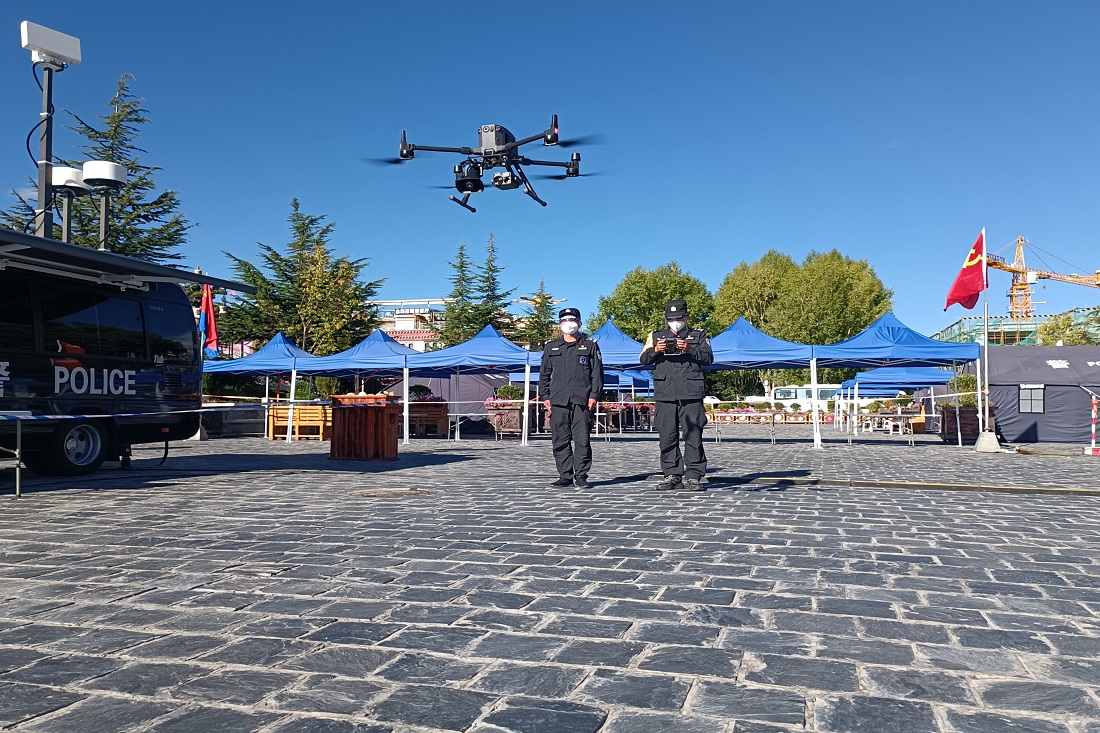
The British human rights body Tibet Watch, based on a survey of public procurement documents and project information by the Chinese Government, reported that drone surveillance equipment was being deployed to pastures, monasteries, border routes and areas where protests or dam disputes had occurred in Tibet and the Tibetan region, extending police surveillance to areas that were difficult to cover by traditional fixed cameras.
Radio Free Asia reported on the investigation on 1 October. The Tibet Watch study methodology relies mainly on government procurement and public documentation, and it can thus prove the procurement of equipment, the location of deployment and the description of official use; As to the specific frequency of flights, the identification of the target and the content of each mission, the information publicly available is not always answered.
原始来源 · tibetwatch.orgTibet Watch:Eyes Above the Plateau调查Policing the skies on the roof of the world: how China took control of the air over Tibettibetwatch.org ↗The difference between drones and fixed surveillance networks is mobility. (b) The complex terrain surrounding pastoral areas, mountain gates and monasteries, with clearly blind fixed cameras; UAVs with long-range image transmission, night vision or automatic recognition capabilities have temporary access to these areas and have expanded surveillance from roads and building entrances to people ' s mobile paths.
The investigation paid particular attention to areas where public protests, religious activities, water and electricity project disputes and the cross-border movement of Tibetans had taken place. This raises direct human rights issues in the deployment of technology: when the subject of surveillance involves peaceful religious activities, rallies or cross-border operations, the use of equipment is no longer just a matter of general policing.
The Chinese Government has long emphasized that Tibetan governance involves counter-terrorism, border security and social stability, and has built a digital security system on a large scale. The evaluation of drone projects cannot be based on the equipment itself to infer infringement, but the scope of deployment as shown by the open procurement is sufficient to raise transparency questions: which departments can access the images, how long the data are kept, whether human faces or behavioural identification are used, and whether ordinary residents know when they are under aerial surveillance.
Article discussion
Verified members can discuss this report publicly and manage their own content.
Checking member sign-in status…