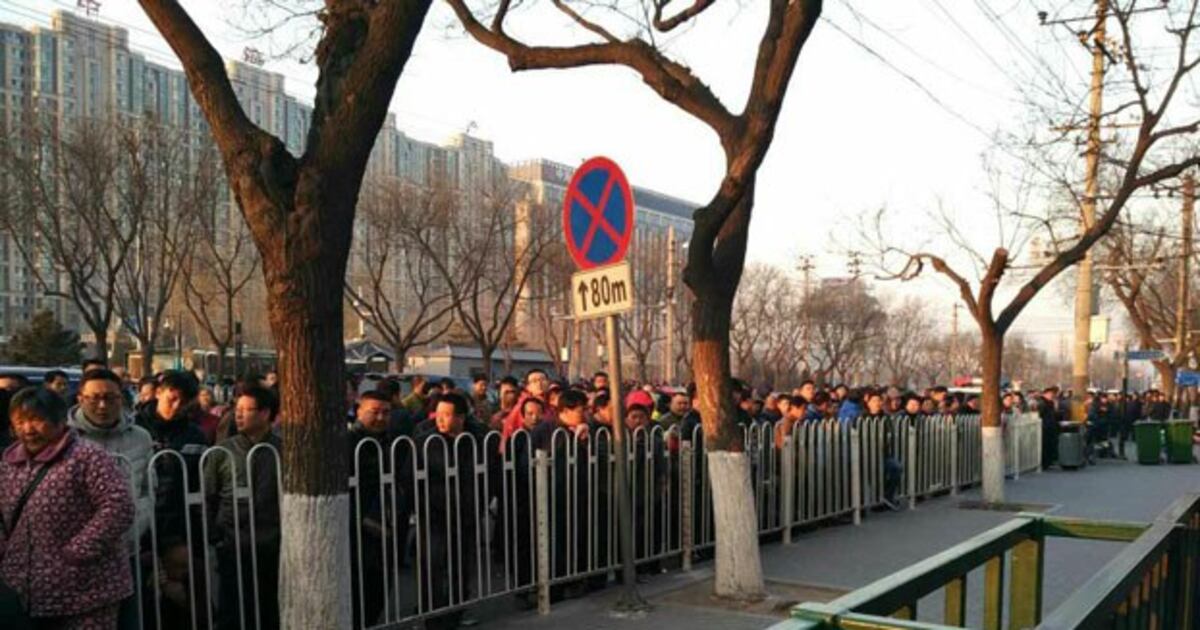
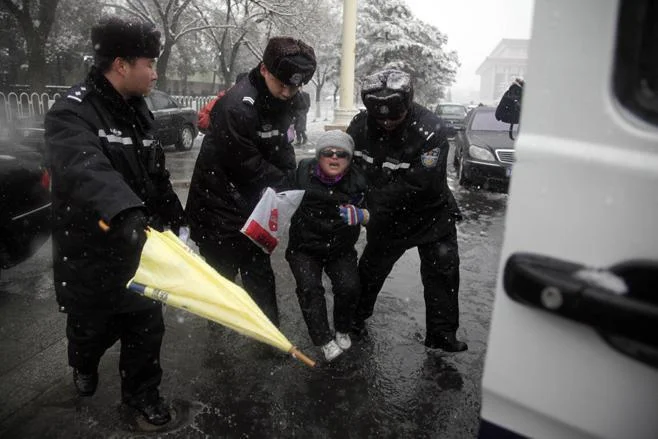
As the Chinese Communist Party prepares to hold a major central plenary meeting, images of visitors being forcibly removed from the streets of Beijing are re-emerging. </a" in "Look at China", a video that was circulated online shows that the complainants were expelled, controlled and some claimed to have themselves detained. The conference has not yet begun and security operations targeting visitors have become a focus of social attention. For those who have been visiting for a long time, entering Beijing does not mean that they have access to the complaints; On the eve of political meetings, they often face first and foremost the interception of local and capital security systems.
The 20th Chinese Plenum of the 5th Plenum, as reported, is expected to be held in late October. For the CPC, important meetings require a high degree of control in the capital; For visitors, the concentration of central authorities and media during the Conference was an opportunity to reflect local issues at a higher level. Two logics are in direct conflict. The greater the emphasis on political security, the easier it is to translate specific land claims, evictions, wages, judicial complaints into “stabilized factors” that need to be excluded in advance.
The second system of administration on the way
The Chinese letter-visit system allows citizens to lodge complaints with the relevant authorities, but for many years there have been interceptions, refoulements and restrictions on movement of people in focus. Local cadres, who fear that group visits will affect political performance or trigger accountability, often have the incentive to bring people back to their places of origin before the issue arrives in Beijing. As a result, local governments may be both the subject of complaints and may actually be involved in preventing the complaint from being passed on to their superiors.
While publicly circulated videos may not be independent of the identity and final destination of each individual taken, they present a new form of governance: prior to the political nodes, the individual claims of the visitors were integrated into security management. While the crowd tried to tell specific cases, the law enforcement on the ground was more concerned about whether they were in an unauthorized location.
How a meeting changes the freedom of ordinary people
The plenary discussed national policy and intra-party arrangements, but the restrictions might be those ordinary people who had no direct connection to the subject matter of the conference. Farmers who visit because of land disputes, workers because of unpaid wages, family members because of unfair sentences should not have lost their right to express themselves because of the meeting schedule. Pre-empting the individuals to risk will only transform the administrative disputes that would otherwise have to be addressed into more acute conflicts of power.
The “stability overstretch” governance logic of Xi's recent period is particularly straightforward in such cases: it is not the first to resolve the issues reflected in the complaint, but to control the person who filed the complaint. The Conference could be held in a quiet setting, and it did not mean that grievances outside the venue had disappeared. The images of visitors being taken are just an indication that the costs of political order are often borne by the most powerless.
Article discussion
Verified members can discuss this report publicly and manage their own content.
Checking member sign-in status…