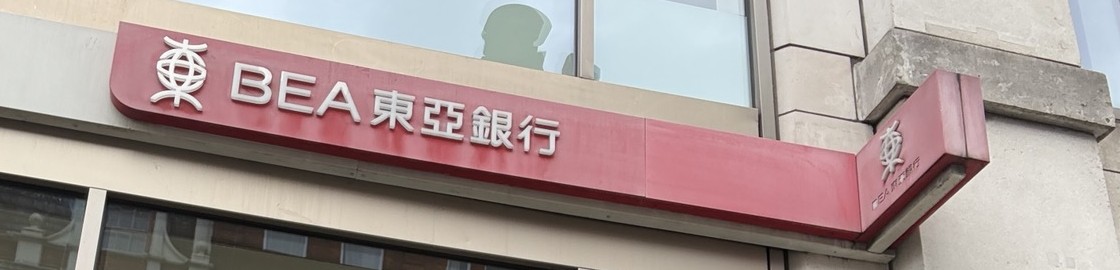
On 3 September, a transfer from the United States to British enterprises was not made to the account. On 16 September, the payee, Executive Director for Human Rights of China, Zhou Wing-Leng, personally entered the branch of the East Asia Bank in London; By 9 October, the bank ' s written response still did not provide reasons for the withdrawal.

On October 15, China Human Rights made public the process of this intervention. According to the organization, the British supplier used bank accounts in East Asia; The bank confirmed that it returned the money to the bank and sent it out, but only wanted to discuss the transaction with the holder of the receipt account. After China ' s official complaints about human rights, the Bank refused to register future correspondence as a formal complaint on the ground that the organization was not a customer of its own and indicated that in future transactions involving it would be evaluated on a case-by-case basis.
原始来源 · news.hrichina.orgLondon Bank Issues Unexplained Cancellation of HRIC Payment Following China SanctionsBank of East Asia's London branch returned a payment from HRIC to a third-party account just weeks after the Chinese government imposed sanctions against the organization, raising serious questions about the extraterritorial reach of Beijing’s political sanctions and the responsibilities of financial institutions operating under British regulation.news.hrichina.org ↗This places the paying party in a particular situation: money is transferred from itself, transactions are suspended by the bank and no explanation can be obtained as a customer. The recipient companies were asked about their relationship to human rights in China. According to the organization, the business had not even known it before and had not been involved in its human rights work. To avoid further pressure on businesses, human rights in China have not been known by name.
On 5 August, Beijing had previously declared sanctions on human rights in China and prohibited organizations and individuals in China from trading and cooperating with them. Remittances in London thus have an added value beyond the general payment dispute: sanctioned organizations also face unexplained obstacles in paying ordinary suppliers abroad. However, the current disclosure does not provide evidence of a bank's withdrawal in accordance with Beijing instructions and cannot be directly stated as an identified enforcement relationship.
Transnational repression does not always occur through arrest or deportation. Political penalties may spread along business relationships if enterprises fear being scrutinized for doing business with human rights organizations. What has happened here, rather than what is assumed, is the failure of payments, the inability of the payer to obtain a reason, and the fact that the supplier is being questioned about the relationship; These details are more clear than a general “financial box” that presents a real resistance to the work of civil society.
Human rights in China indicated that it would continue to follow up through, inter alia, regulation. The bank could have reviewed the transaction, but its response to date did not answer the question that Zhou Liang went into the branch: why the money could not be paid to the British supplier.
Article discussion
Verified members can discuss this report publicly and manage their own content.
Checking member sign-in status…