
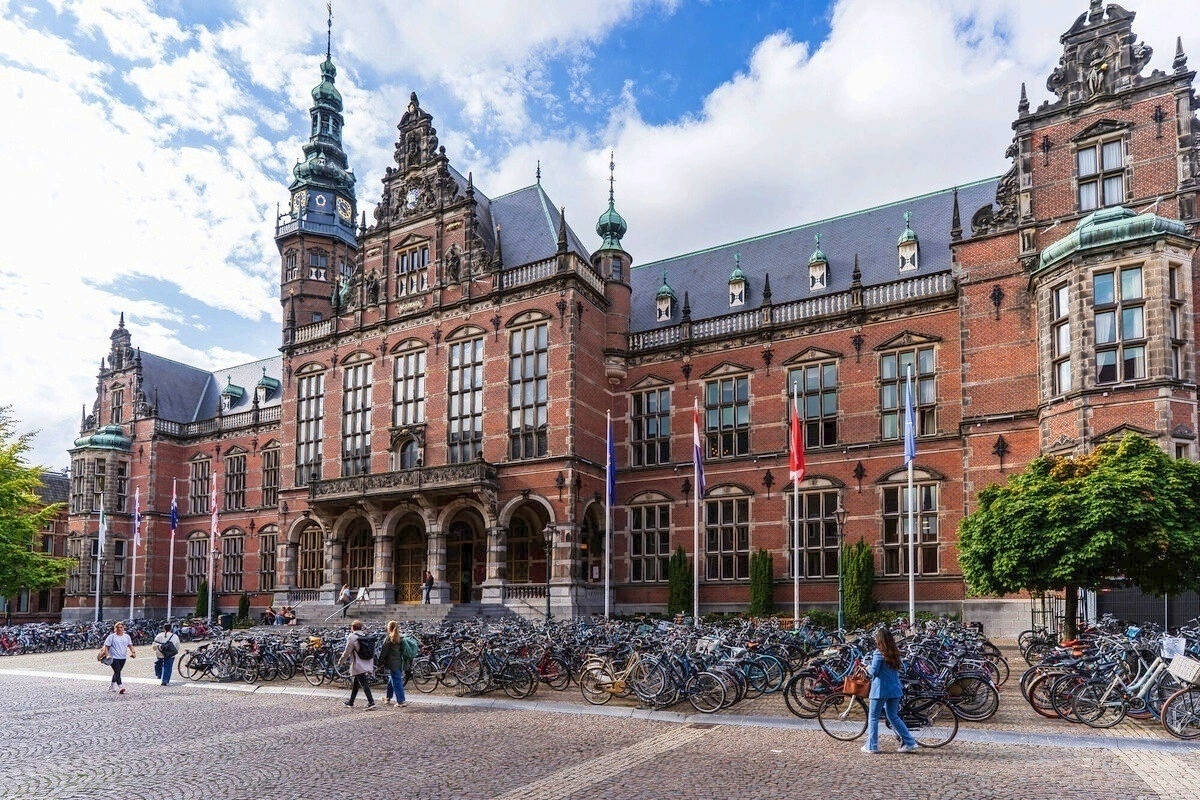
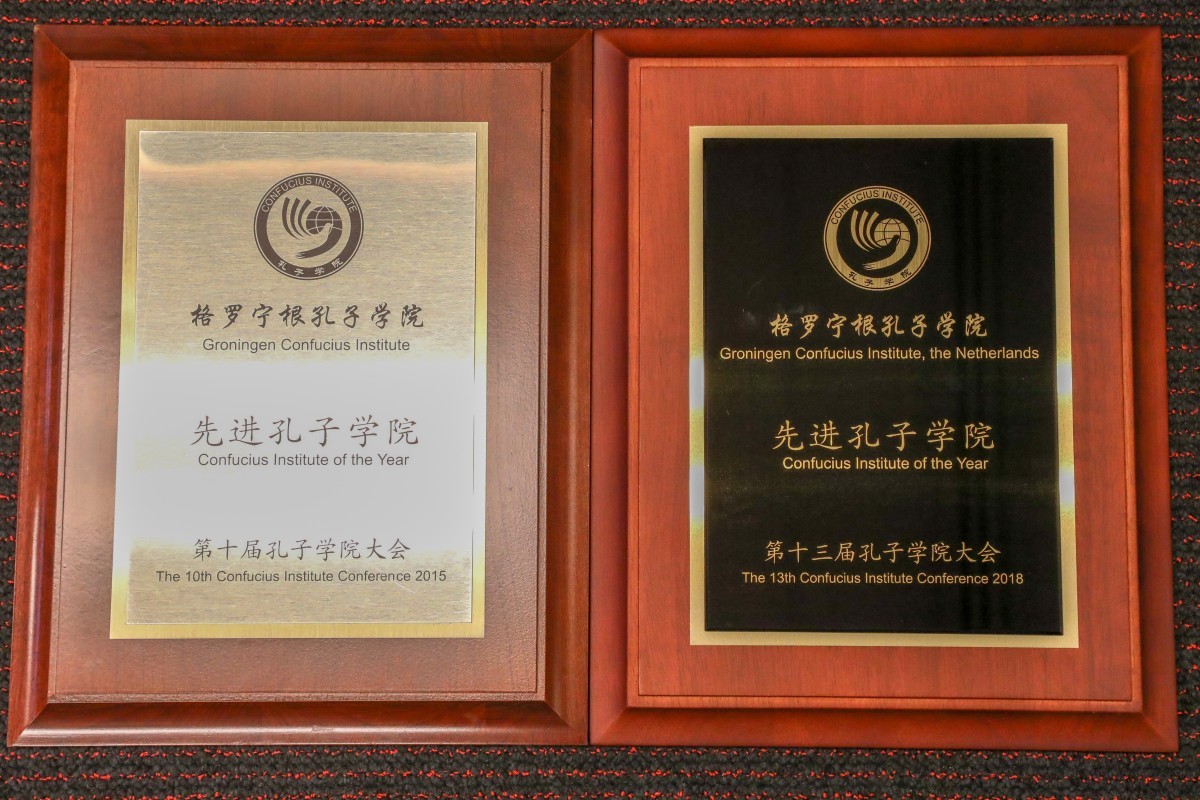
The Dutch Government, as early as December 2020, recommended that the universities concerned graduate Confucius College from the university system, due to the risk of foreign political intervention. However, the overseas Chinese language education network, supported by Chinese government background agencies, has been in operation for six years. In March 2026, the University of Sanjiddan in Shanghai signed a new co-consolidation agreement with the Foundation of the Groningen Confucius College in the Netherlands, which continues to promote teaching, teacher training and cultural exchange in Chinese. The cooperation network publicly listed at the Groningen Confucius College has covered eight secondary school Confucius classes and three teaching points, with 1,981 participants in 2024.
This change reveals the contradictions in the Dutch system for dealing with foreign political influence: the Government has identified risks and proposed decoupling, while the educational institutions supported by China are still able to maintain a cross-regional network through foundations, university cooperation and projects for primary and secondary education.
The records of Confucius in the Netherlands go beyond general linguistic and cultural exchanges. The University of Groningen accepted a contract for funding professorships with political restrictions in China; Some Chinese and Hong Kong students are afraid to discuss Chinese politics freely in their classes because of political reprisals; The Dutch local government has provided approximately 500,000 euros in historical financial support to the relevant agencies. Meanwhile, the Dutch intelligence services continue to warn that the Chinese Government is exerting political influence on the Netherlands through various channels, gathering intelligence and exerting pressure on Chinese citizens abroad.
These events reveal an operational mechanism that deserves the attention of the State security agencies: Foreign political power can gain the trust of public institutions through legal educational cooperation, and then the opportunity to influence the academic environment and social ties through funding, personnel and organizational relations.
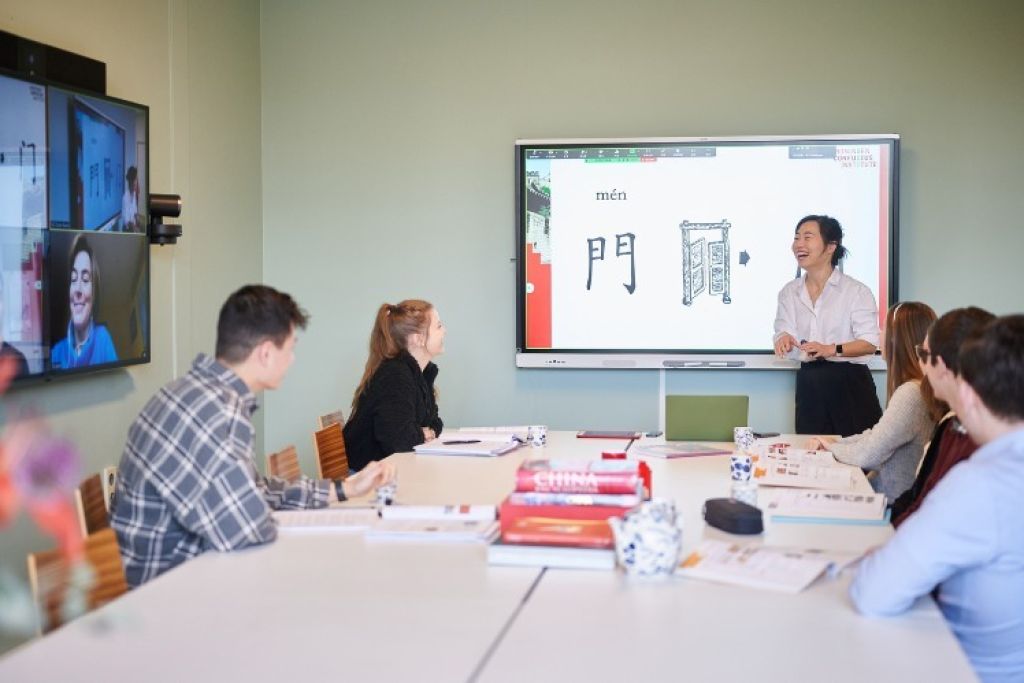
How Chinese political restrictions on access to Dutch universities
In February 2021, a cooperation agreement between the University of Groningen for the post of Chinese language and culture professor was exposed, which triggered a shock in the Dutch academic community.
The agreement was signed in 2014 between the University of Groningen and the National Office of the former Confucius College headquarters, and began in
- Under the relevant provisions, China has the right to terminate the financing of the professorship if the teaching and research activities of the professor seriously violate Chinese law or seriously damage the image of China.
What is truly institutionally dangerous here is that China has acquired the power to decide whether to continue to provide funding in accordance with Chinese political criteria.
Professors are employed at the University of the Netherlands, where they are paid for, but are funded by agreement with China. The former NCO could not simply dismiss the professor on this contract, but could cut off the funds. This arrangement allows foreign political demands to enter academic management relationships at Dutch universities through economic conditions.
原始来源 · nos.nlNOS:格罗宁根大学教授资助合同含损害中国形象限制nos.nl ↗The study of China ' s political system, human rights situation, Taiwan, Tibet or Hong Kong should be part of the normal academic activities carried out by universities. Once the funding agreement makes it a condition that China ' s image not be compromised, researchers and management may face pressure from funding relationships.
The effect of such a restriction does not necessarily appear to be a public ban on the publication of research results. As long as the continued disbursement of funds depends on external political judgement, it may prompt researchers or university management to actively avoid sensitive issues.
More worth pursuing, the agreement was agreed to by the management of the University of Groningen, rather than by the individual professor appointed.
According to material obtained by the Dutch investigative media, Fololow the Money, the contract was signed by Sibrand Poppema, then Chairman of the University Board. This means that foreign political restrictions have access to Dutch universities, first through the approval process of the country ' s educational authorities.
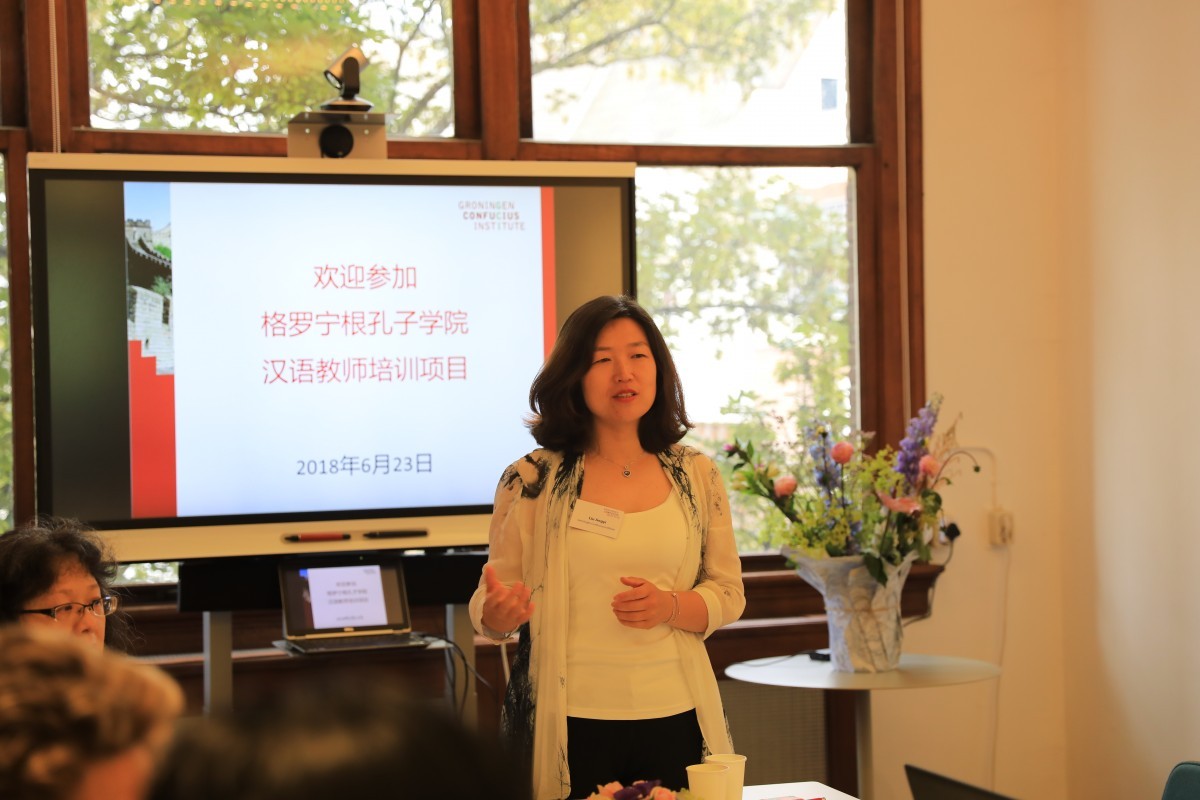
When the contract was first exposed, the University of Groningen emphasized that the professors were appointed and evaluated by the University, and that the provisions in question did not compromise academic freedom. However, with public opinion and government involvement, the school decided in 2021 not to renew the funding agreement.
The Dutch Ministry of EducationOfficial reply to Parliament, 23 March 2021It was confirmed that the contract did contain the above-mentioned political limitation clause, on which basis the financing could be suspended, but that the employment relationship between the professor and the university was not directly affected by that clause.
The public consequences of this incident are clear: a Dutch university accepted a funding arrangement of a politically binding nature in China, and decided to terminate the cooperation until the media was exposed and the Government intervened.
China has been able to gain institutional space to influence academic activities at universities by using the funding clause; The management of the University of the Netherlands is directly responsible for the formation of this space.
The contract is not in isolation. It is backed by a long-established set of medium-term Dutch education, local administration and business cooperation.
Behind language education is a network of universities, local governments and business interests
The Groningen Confucius College was established in
- The initial cooperation was with the China University of Media, the University of Groningen, the Hanzawa University of Applied Sciences and the City of Groningen.
When Confucius was established, the Chinese Embassy in the Netherlands, the Head of the China Media University and the local mayor attended the event. For Dutch partners, this cooperation means that Chinese courses, resources for cultural exchange and business exchanges with China can be introduced.
For China, the involvement of universities and local governments has enabled the Confucius College to gain public credibility and social ties that ordinary foreign cultural institutions have difficulty in establishing quickly.
Local governments have paid considerable costs for such cooperation.
Follow the Money, in a survey published in May 2021, revealed that the local governments of The Hague, Groningen, Maastricht and Limburg cumulatively provided nearly 500,000 euros in public financial support to the relevant Confucius Academy over the years. Of this amount, the municipality of Groningen has allocated Euro30,000 annually for 10 consecutive years.
These public inputs are closely related to the interests of WAE and trade.
The municipality of Groningen has disclosed that between 2015 and 2019, 62 enterprises and organizations used the services provided by the local Confucius Institute, including China ' s market research, business training and organization of business delegations to China.
This has made Confucius a gradually integrated institution linking China ' s Cooperative University, Dutch universities, local governments and enterprises.
In this relationship, China provides Chinese teaching, staff support and communication channels, while Dutch cooperation agencies provide space, funding, social credibility and public education resources.
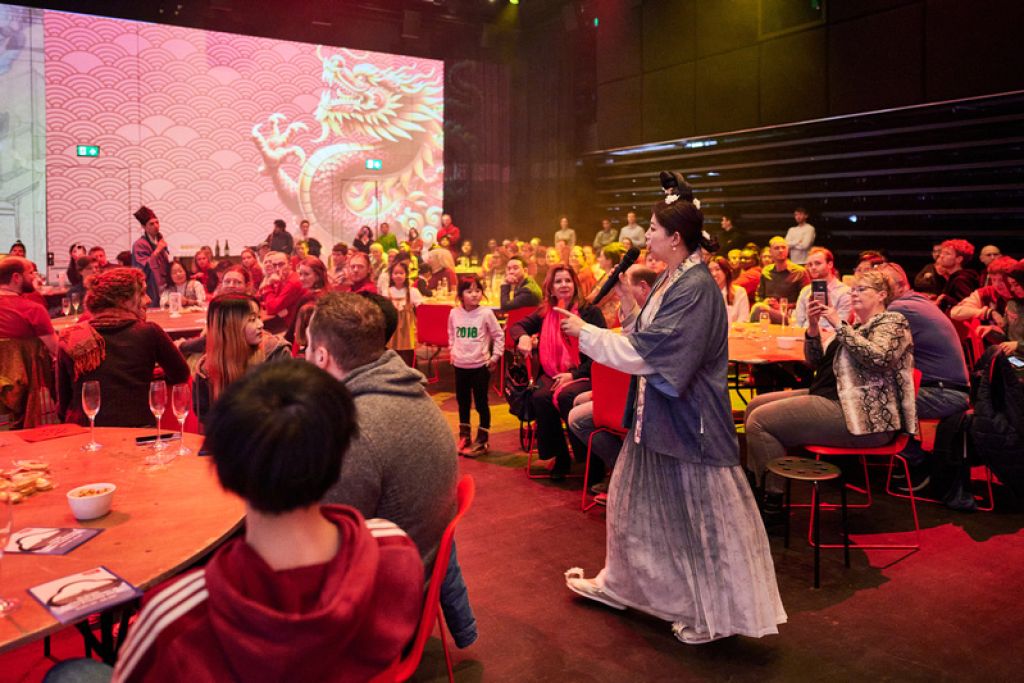
Both sides have a realistic incentive to maintain cooperation, but the interest in cooperation does not automatically imply that the parties share the same political risks.
When the Chinese budget is tied to political conditions, it is the academic independence of the University of the Netherlands that is affected; When local governments support such institutions, public funds are also included in the organization of organizations that may have foreign policy objectives.
An important reason why Confucius College is able to develop in the Netherlands in the long term is that the Chinese cultural education project is interdependent with the local economy of the Netherlands, the internationalization of universities and the interests of public institutions.
原始来源 · ftm.nlFollow the Money:格罗宁根大学与孔子学院合作调查ftm.nl ↗This relationship has also created conditions for the expansion of Confucius College to primary and secondary schools.
From the professorship to the primary and secondary school classes: the channel of transmission of political influence
Currently, the official website of the Groningen Confucius Institute still lists eight Confucius classes and three teaching points in Nymegen, Tilburg, Rotterdam, Anam, Wassernar, Alkmar, Einhowin, Hofdorp, Ermelo, Zwolle and Amersford.
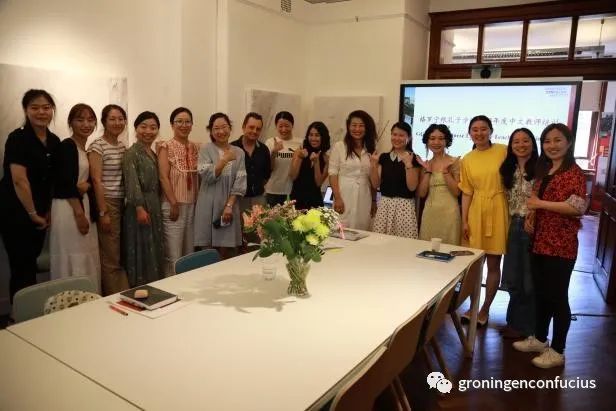
These include Gymnasium Celeanum in Zwolle, Christelijk College Groevenbeek in Ermelo and Corderios College in Amersford.
CollegePublic statementsIt provides financial and teaching material support to these schools, organizes cultural workshops, assists in conducting Chinese-language examinations and applies for a Chinese-language camp. In 2024, a total of 1,524 students attended eight Confucius classes, and 457 students attended three instructional points.
This means that Confucius College is not just a language unit within the university, but also has established a continuous partnership with the Dutch secondary education system through support from resources.
It is noteworthy that the overseas teacher training of Confucius College was exposed to clear political narrative requirements.
In 2016, Sam Hao, a Chinese student who had attended the overseas volunteer selection training at Confucius College in China, later shared his experience with the Netherlands investigative media.
According to his description, the participants were instructed on how to deal with politically sensitive issues raised by foreign students. In the case of Tibet, the trainers suggested that the participants should shift the topic or use historical interpretations that were in line with the position of the Chinese Government and called for the preservation of the image of the Chinese State.
This experience reveals how political positions can be integrated into language and culture education through training of overseas teachers.
Teaching in the ordinary language is centred on terminology, grammar, communication skills and cultural knowledge; However, when teachers are also called upon to preserve the political image of a particular Government, teaching activities may assume a policy communication function that goes beyond language education.
The key public oversight matters are therefore specific for primary and secondary schools in the Netherlands: where teachers are selected, what training includes, who determines the materials, whether the school has the full curriculum and what conditions are attached to the Chinese funding.
In its response to parliamentary questions in June 2023, the Government acknowledged that it did not have the exact number of Confucius classes in the country at that time, but confirmed that schools could receive US$ 10,000 in Confucius classroom support.
The Government considers that schools are able to choose their own teaching materials and methods of teaching, and therefore finds no reason for a comprehensive strengthening of supervision.
This approach contrasts sharply with the political risk warning at the university level.
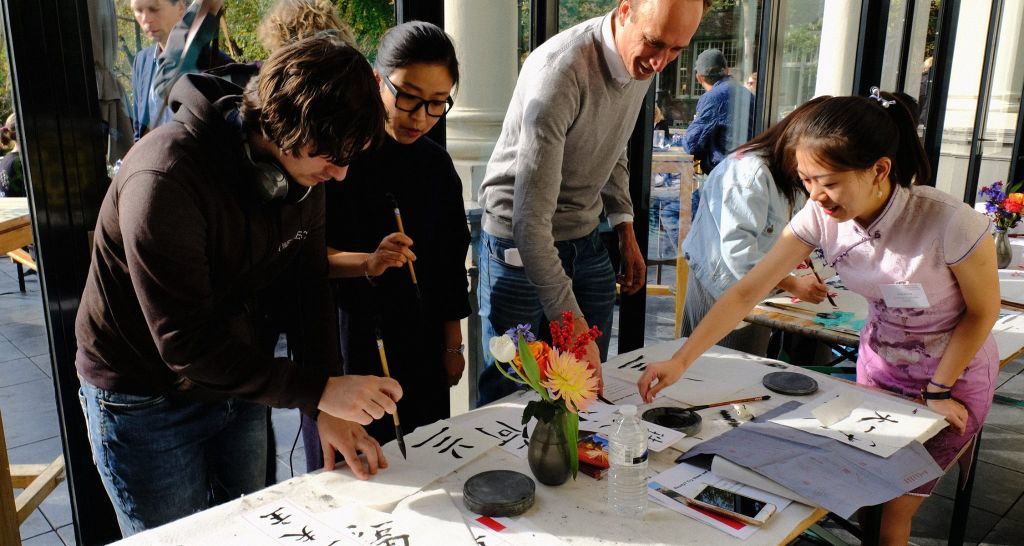
In the face of the University Concord College, the Government had recommended decoupling because of the lack of transparency in governance relations; In the face of the primary and secondary school cooperation projects, the Government relies mainly on school autonomy and the existing system of educational monitoring.
However, the funding contract of the University of Groningen has proved that formal autonomy of the cooperating institutions does not automatically prevent foreign political conditions from entering into cooperative arrangements.
This is the institutional problem that education regulation should address: schools are responsible for their own teaching, and Governments must ensure that external funding and cooperation with organizations do not erode educational autonomy from foreign political power.
The student from Leiden University was arrested: How political fear crosses the border
The impact of foreign political pressure on Dutch schools is also reflected in the real experiences of some Chinese and Hong Kong students.
In 2021, some Chinese students at Groningen University participated in a petition to end the cooperation of the School of Confucius, but were reluctant to disclose their identity for fear of their own safety.
The University of Leiden’s East Asia research teacher, Casper Wits, also revealed that some Chinese and Hong Kong students were being reported for fear of classroom speech and even wished to miss courses on the modern political history of Hong Kong.
Such fear means that some students in the Netherlands still have to consider the consequences that may be from China when discussing Chinese politics.

The return of Chinese students from Leiden University in the Netherlands, to their home country in 2025, further pushed the problem from political concerns in the campus to specific personal freedom problems.
Hu Yang had previously obtained a dual degree in chemistry and law from Wuhan University. In September 2024, he went to the University of Leiden in the Netherlands to pursue a master ' s degree in the philosophy of politics and economics and completed his studies in the summer of 2025, with plans to continue his studies.
On 26 July 2025, Hu Yang returned home to visit his family with Wu Soon-woo, a U-han university student studying at Milan Polytechnic University in Italy. Upon arrival at Shanghai Putu International Airport, the two men were taken away by the Henan State Police and subsequently detained for criminal charges of “silent assault”.

Family members disclosed that the case had been reported by the case officer as being “spoken in the language”.
After Ho Yang was detained, family members and lawyers repeatedly applied for meetings. Fearing that his son ' s residence, personal effects and academic affairs in the Netherlands would not be handled, his mother sought public help through social platforms in September 2025, and was subsequently interviewed and asked to be deleted.
Hu Yang and Wu Jo Woo were formally arrested on 3 September
- It was not until 9 November that the lawyer was allowed to meet for the first time, 107 days after Ho Yeong was detained.
Based onProgress of cases published on 23 July 2026The Ho Yeung case was heard in the first instance before the People ' s Court of the 27th District of Zhengzhou City, without a ruling being delivered in court. Subsequent public records have not yet provided a final decision that can be confirmed.
Hu Yang was originally educated in philosophy in the Netherlands and was ready to continue his academic life. One visit to his family was followed by a disruption of his study programme and a prolonged period of detention and criminal proceedings.
This case reveals that China ' s control over political expression of citizens can be maintained through criminal prosecution upon return, creating constant pressure on students to stay abroad.
For Chinese students living in the Netherlands, there is a disturbing gap between the freedom to express political views in Europe and the real risks that may be faced in the future in returning home.
Ultimately, such pressure may lead to the active silence of those who have not yet been directly held accountable.
The combination of this phenomenon and the political support contract of Confucius Institute reveals two different forms of cross-border political influence: one through educational cooperation to access public institutions and one through control over individuals and families to limit political expression abroad.
Together, they undermine the environment in which people in society are able to independently study, freely express and participate in public discussions.
The government warned in 2020 that the Chinese University will continue to build together in 2026
The risks of the political impact of Confucius Academy are not recognized by the Government of the Netherlands until today.
In 2020, the Clingendael Institute of International Relations commissioned by the Government of the Netherlands to conduct a study on China ' s impact on Dutch education, which documented China ' s political influence on Dutch higher education and scientific research activities, as well as the self-censorship of some researchers and students.
The study also noted that the joint governance relationship between the middle and the outer is not sufficiently transparent and that there is a systemic risk that it will affect academic freedom.
According to the Dutch education sectorOfficial response to the Parliament, 27 June 2023In December 2020, the then Minister of Education, Ingrid van Engelshovn, recommended to the knowledge institutions concerned to delink Confucius College from the university system in order to prevent restrictions on academic freedom and scientific integrity.
The Government has clearly stated that the risks arise mainly from the co-management of the institutional structure of the Confucius College in China and the potential influence of foreign political power.
However, the measures taken by the universities were not consistent.
- Leyton University ended its collaboration with Confucius College in 2019.
- The University of Groningen has ceased to receive funding for professorships with political restrictions, but the relevant Confucius College continues to operate.
- The University of Applied Sciences of Zuyd has adapted the governance model of the Maastricht Coconcio College to maintain a more independent cooperative relationship with China.
In 2023, the Dutch education sector also disclosed that the University of Groningen spends Euro27,500 per year on related cooperation, while the Zuyd University of Applied Sciences provides approximately Euro50,000 in in kind and resources annually.
The relevant contract period was then 2025 for the University of Groningen and 2027 for the University of Applied Sciences and Technology of Zuyd.
This makes the new cooperation that emerged in 2026 particularly noteworthy.
31 March, Concord School Office, University of JodmOfficial announcementThe University of Jordan signed a co-convention with the Foundation of the Groningen Confucius College.
The bulletin states that the two sides will deepen their cooperation in the development of Chinese language courses, teacher training, customized training, cultural activities and institutional operations.
The University of Jordan also confirmed that the Groningen Confucius College has an extension in Amsterdam and The Hague and continues to maintain eight Confucius classes and three teaching points.
Meanwhile, the Maastricht Coco School Network of Officials has offered, in public, Chinese language courses for the school years 2026 to 2027, with teachers from the North-East University of Finance and Economics of the Chinese University of Cooperation, and courses extending to Rotterdam.
Thus, following the proposal of the Dutch Government to delink some of the universities, which have adjusted their relations with Confucius College, the Chinese-language educational cooperation network continues to operate and the Chinese University is signing a new co-consolidation agreement.
This continuation is related to the reorganization of the global management system of Confucius College.
In June 2020, the headquarters of the former Confucius College was renamed the Centre for Cooperation in Language Exchange between Middle and Foreign, Ministry of Education, and no longer directly responsible for the branding of Confucius College; The China International Foundation for Chinese Language Education, which was established the same month, has been operating under a brand-authorized branding licence from Confucius College.
The way Confucius is managed has shifted from the old headquarters model to the Foundation branding, cooperation between educational institutions and local institutions.
The key to determining independence after the name and organizational restructuring remains the actual funding source, staffing arrangements, curriculum control and cooperation agreements.
The Joint Proclamation of 2026 of the University of Jodhan shows that the University of China still plays an important role in the courses, teachers and institutional cooperation of the University of Groningen.
The political risk warnings already provided by the Dutch Government and the new cooperation arrangements have created a real contradiction that deserves continued monitoring.
Foreign political influence has been classified by Dutch intelligence as a threat to national security
Confucius has cooperated in education in the Netherlands and is also in a broader national security environment.
The Netherlands National Intelligence and Security Service, AIVD, published its Annual Report 2025 on 23 April 2026, clearly states that China ' s intelligence and security services continue to conduct intelligence activities in the Netherlands, to contact specific individuals, to establish intelligence networks and to acquire technology and knowledge that can serve China ' s economic and military development.
AIVD also noted that the Chinese Government has pursued national goals in a manner that mobilizes social resources and that individuals, enterprises and organizations may be required to cooperate with the relevant activities. Chinese law has extraterritorially pressure effects, which exposes Chinese citizens abroad to requests for assistance to State institutions.
Of even greater concern is the fact that AIVD explicitly lists surveillance and political pressure by Chinese intelligence agencies on Chinese citizens abroad as a security risk.
The intelligence services have indicated that the Chinese Government has tried to silence the voices of dissent abroad and may mobilize some of its nationals against political activities critical of the Communist Party. Such acts violate individual freedoms and touch upon the sovereignty of the Netherlands.
原始来源 · ci.fudan.edu.cn复旦大学:2026年正式共建格罗宁根孔子学院ci.fudan.edu.cn ↗The Netherlands has thus expanded the scope of legal protection against espionage and foreign government intervention in recent years. Since 15 May 2025, digital espionage and espionage against expatriates have been incorporated into the broader criminal regulations.
These judgments are fromAIVD Annual Official Report of ChinaThe following are some of the key issues that have been addressed:
For the Dutch education system, national security risks are not only manifested in the possibility of clandestine access to scientific research, but also in the influence of foreign political power on schools, researchers and students through open and legal organizational relationships.
The contract incident at the University of Groningen has proved that this influence can be channelled into academic management through a funding clause. The testimony of Confucius teacher training revealed specific ways in which political narratives could be brought into the training of overseas educators. Self-censorship by some Chinese students shows the real impact of cross-border political pressure on the school environment.
These different dimensions of the facts give direct national security significance to the transparency and independence of educational cooperation institutions.
The institutional test of Dutch educational autonomy
Looking back at the development of Confucius in the Netherlands, a relationship of interest and power can be seen that is evolving.
The Chinese-language education system, which is supported by the Chinese Government, enters the Netherlands through language courses, teacher resources and cultural exchanges, and universities, local governments and enterprises are involved in cooperation because of educational and economic needs. As institutional relations deepen, Chinese funding, personnel and organizational requirements are provided with access to the public education system in the Netherlands.
The acceptance of political-restrictive contracts by the University of Groningen is a concrete result of the exposure of this relationship.
The long-term financial support provided by the local government of the Netherlands demonstrates that Confucius is able to sustain cooperation with local public resources. The network covering 11 primary and secondary school cooperation points indicates that its activities have been extended to the field of basic education.
When the Netherlands Government identified risks, the institutions continued to operate through governance restructuring and new co-building agreements, reflecting a continuing institutional gap between national security regulation and autonomous cooperation with educational institutions.
This discrepancy cannot be attributed entirely to the abstract principle of university autonomy.
The purpose of university autonomy is to protect academic freedom and independent research, not to empower university management to accept foreign political restrictions.
The University of Groningen has approved contracts that state that responsibility lies first and foremost in the cooperative review and management of decisions taken by the school. Despite the proposal to decouple the Dutch education sector, it has not been possible to promote a uniform risk review arrangement covering all types of educational cooperation, and has left space for China-supported cooperation networks to continue to develop.
Focus China considers that the core of the national security problems revealed by Confucius in the Netherlands is the possibility for foreign political power to use legal educational cooperation to gain access to institutional channels that influence public institutions, academic activities and social ties.
The real damage from this impact has taken on a visible form: political restrictions on access to university contracts, self-censorship by some students out of fear, public finance participation in supporting politically risky institutions, and educational cooperation that continues after regulatory warnings.
The legal system in the Netherlands, which protects the open education, should have kept universities out of the control of foreign government political demands, allowed students to freely discuss Chinese politics and allowed for effective monitoring of public funds.
The history of Confucius in the Netherlands suggests that when educational and business interests take precedence over the review of foreign political influence, public resources and institutional space that would otherwise be used to promote cultural exchange may be exploited by outside political forces.
The time line that was highlighted in the Government ' s proposal for decoupling in 2020, the political restrictions contract in 2021 and the re-signature agreement of the University of Readan in 2026 is a reflection of the institutional problems that the Netherlands has not fully resolved in terms of protection against foreign political interference.
From the approval of the contract by the University Board to the funding of the local government, to the transfer of specific cooperation decisions to the school in the education sector, responsibilities are at multiple levels. The preservation of Dutch national security requires not only that intelligence agencies identify foreign activities, but also that public education institutions truly uphold their decision-making powers in contract signing, fund management, teacher appointment and curriculum arrangements.
The Koko Institute incident has revealed the real way for foreign political influence into the Dutch education system. The way in which these established partnerships are managed by the Dutch Government and educational institutions will be directly related to the effective protection of academic independence, freedom of the campus and national sovereignty.


Reader comments
Loading comments…